



Was macht Anti-Reflex-Einbauleuchten für kommerzielle Beleuchtung besser?
Bis Vincent
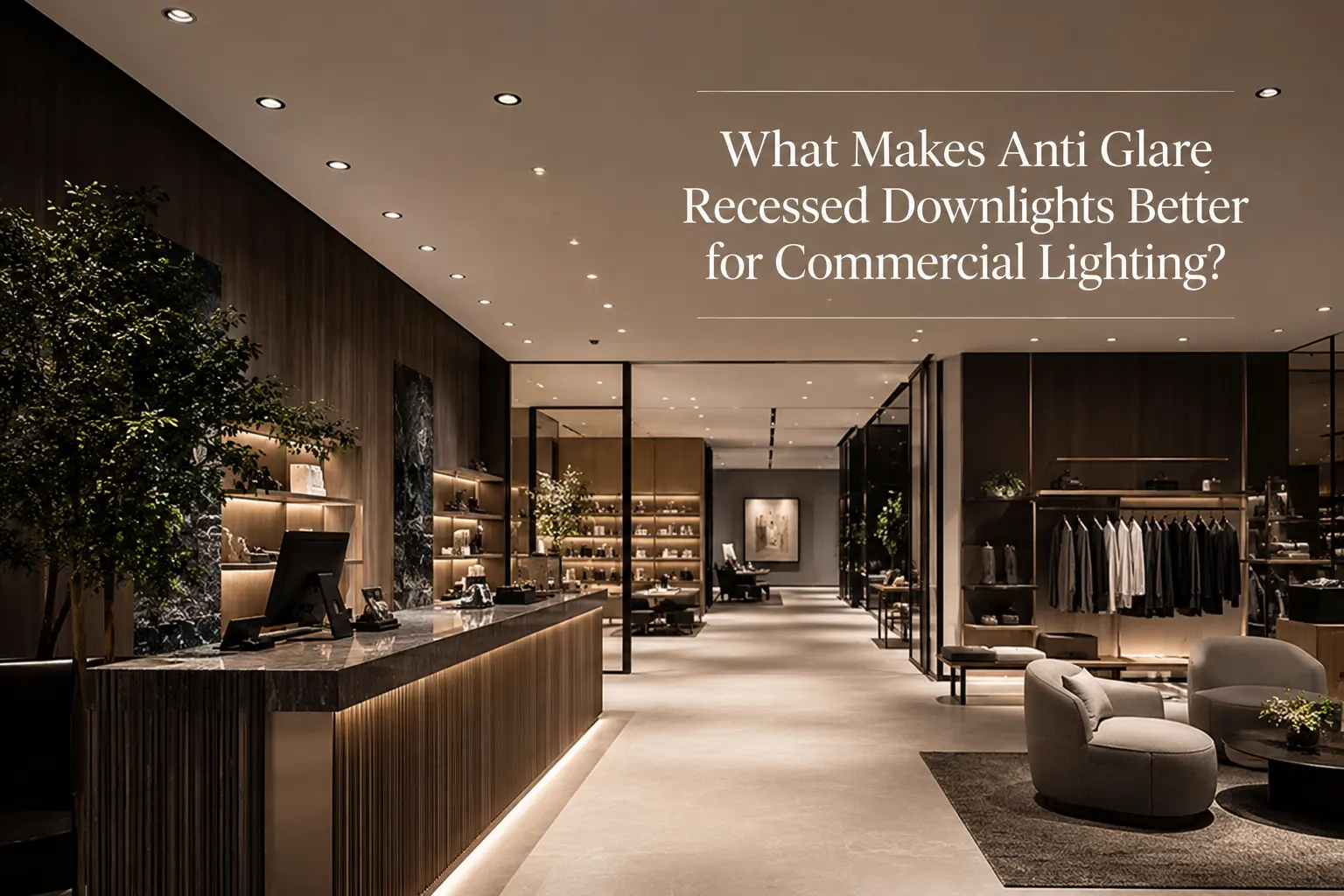
Moderne Gewerbeflächen sind nicht mehr nur auf Helligkeit ausgelegt. Heute, Die Beleuchtung spielt eine entscheidende Rolle dabei, wie Kunden ein Einzelhandelsgeschäft erleben, Wie Mitarbeiter in einem Büro agieren, und wie eine Marke innerhalb eines Raums wahrgenommen wird. Deshalb Anti Glare Recessed Downlights have become an essential part of commercial lighting design rather than just an optional upgrade.
In Büros, Einzelhandelsgeschäfte, Hotels, und Showrooms, harsh lighting can quickly create visual discomfort, Belastung der Augen, and an overall low-end atmosphere. Designers and project contractors are now shifting toward lighting solutions that combine visual comfort, Energieeffizienz, und architektonische Ästhetik. Instead of simply making a space brighter, the goal is to create lighting that feels balanced, weich, und professionell.
This growing demand is also driving interest in related lighting concepts such as:
- low glare recessed lighting
- LED-Downlights für Gewerbegebrauch
- UGR19 downlights
- comfortable office lighting
- recessed downlights for retail stores
Das Ergebnis, anti-glare lighting technology is becoming one of the most important trends in modern commercial interiors.
Why Anti Glare Recessed Downlights Matter in Commercial Lighting
Many commercial projects focus heavily on lumen output during the planning stage, but overlook how lighting actually feels to people inside the space.
This often leads to one of the most common problems in commercial interiors: Blendung.
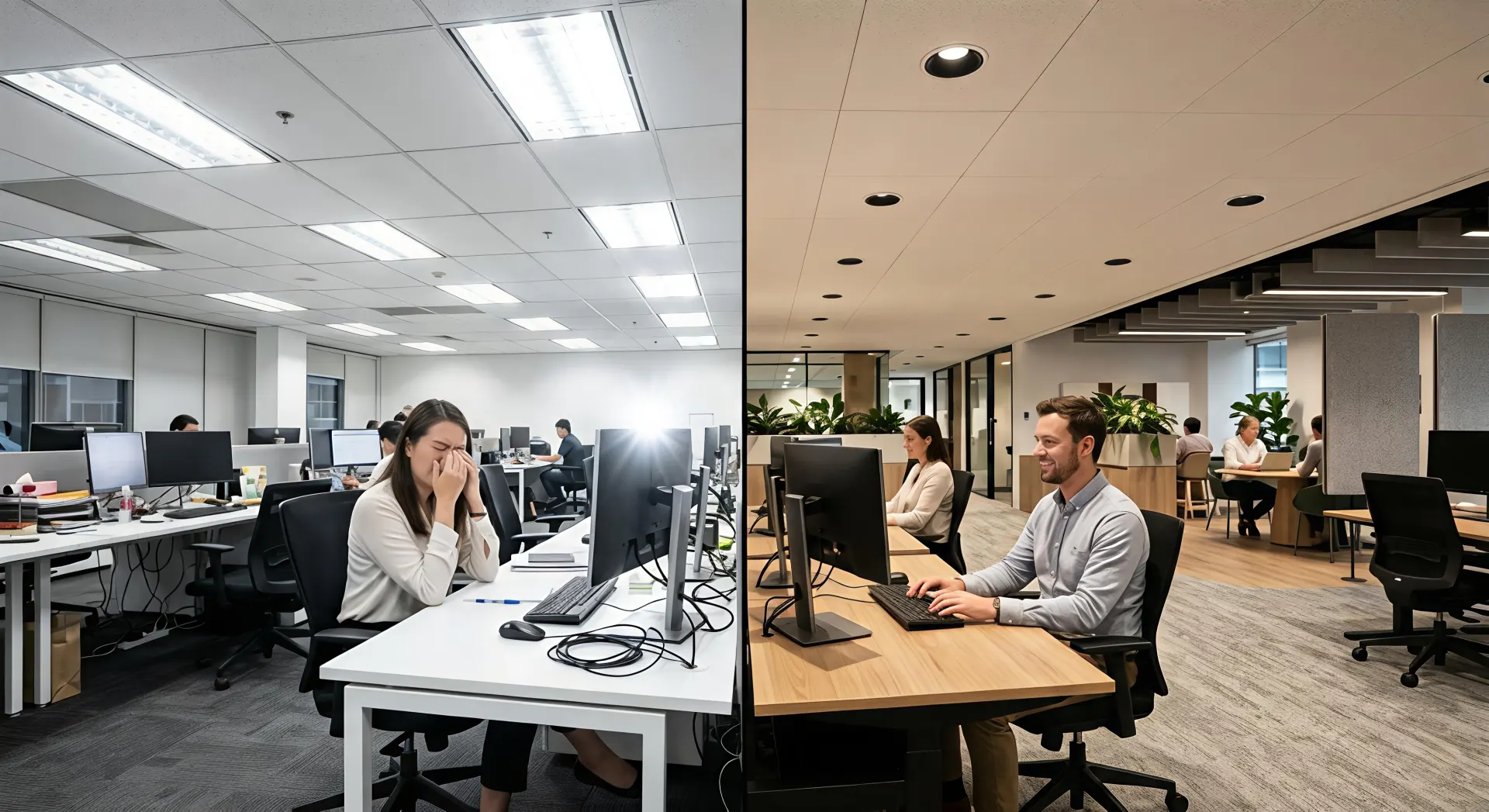
Glare occurs when light is too intense, poorly controlled, or directly visible within the user’s field of vision. Im gewerblichen Umfeld, this can create:
- Sehmüdigkeit
- eye discomfort
- distracting reflections
- reduced productivity
- unpleasant customer experiences
This issue becomes especially noticeable in:
- open offices
- Einzelhandelsgeschäfte
- Hotel-Lobbys
- Galerien
- Konferenzräume
Aus diesem Grund, many lighting designers now prioritize visual comfort alongside brightness and efficiency.
According to the Illuminating Engineering Society (IES), reducing direct glare is one of the key factors in creating high-quality indoor lighting environments.
You can learn more about glare control standards here:
Illuminating Engineering Gesellschaft (IES)
What Are Anti Glare Recessed Downlights?
Many people assume anti-glare lighting simply means dimmer lighting, but that is not true.
The purpose of anti-glare technology is not to reduce brightness. Stattdessen, it controls how light reaches the human eye.
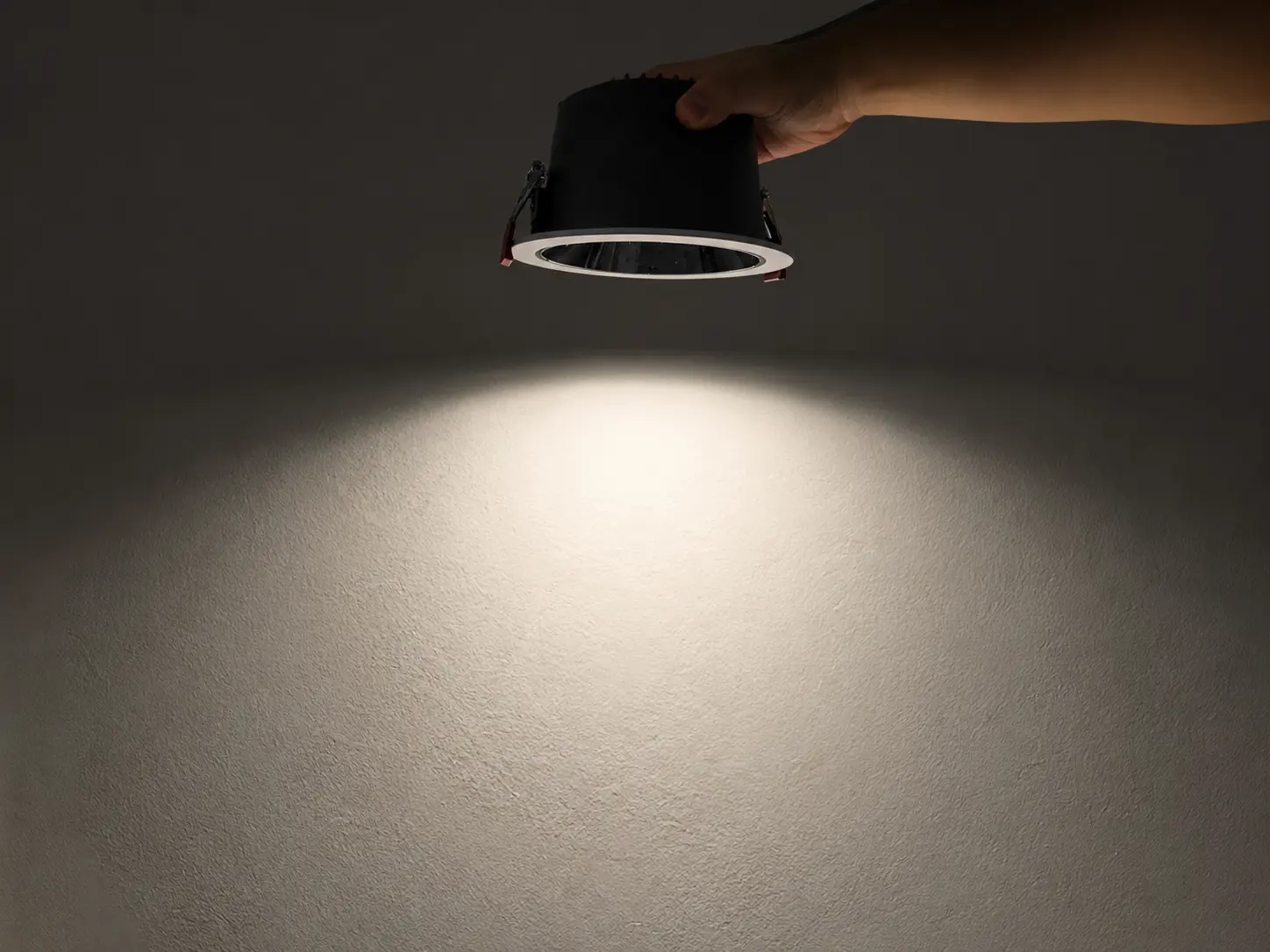
Modern recessed downlights achieve this through several optical design features.
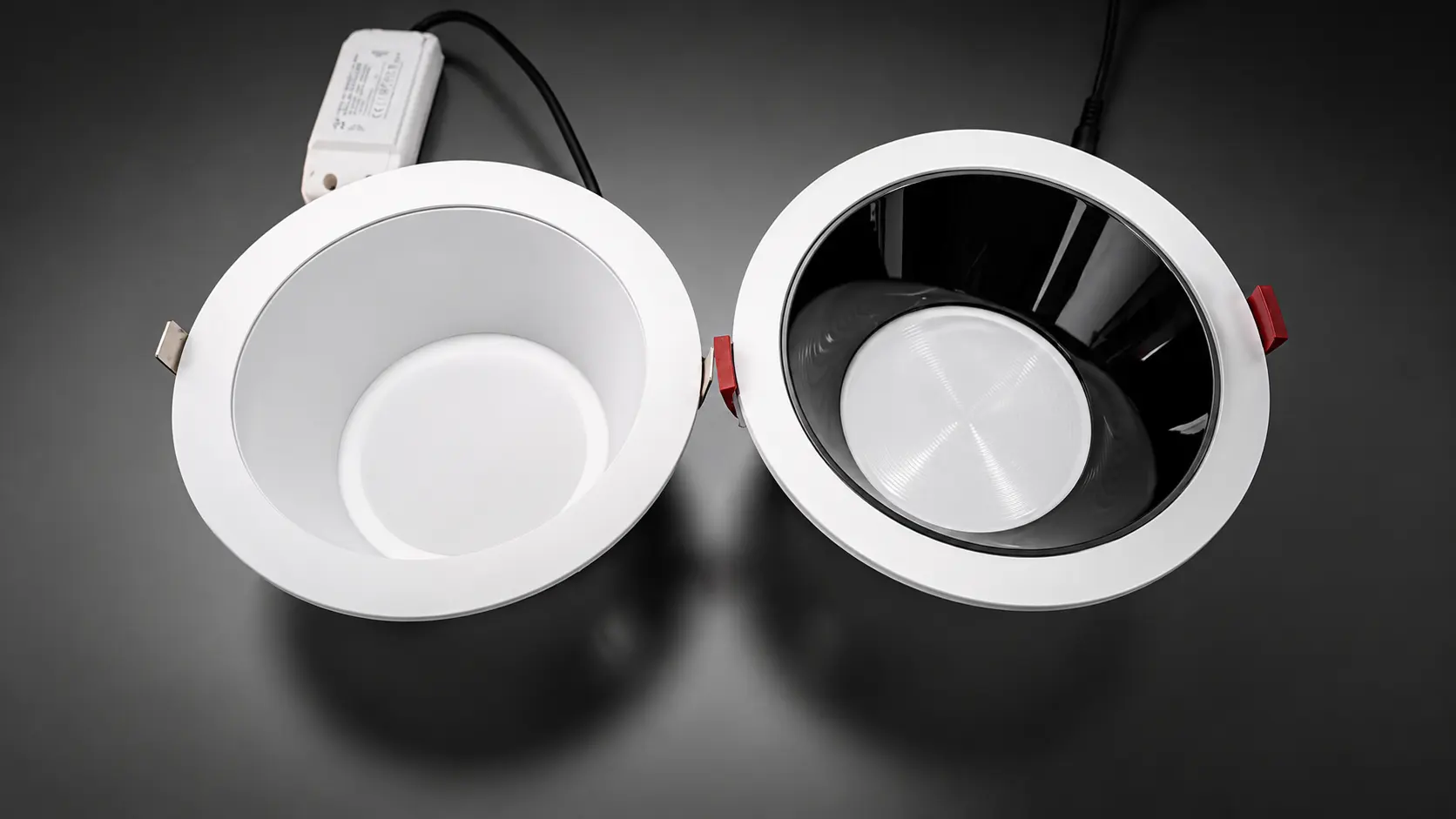
Deep Recessed Light Source
One of the most effective glare-control methods is placing the LED light source deeper inside the fixture housing.
This prevents users from looking directly into the high-intensity LED chip while still delivering strong illumination to the space below.
Black Reflectors and Honeycomb Louvers
Many premium fixtures use matte black reflectors or honeycomb anti-glare accessories to soften the light beam and reduce harsh reflections.
These elements help create:
- smoother light distribution
- softer visual transitions
- better lighting comfort
Low UGR Performance
UGR (Unified Glare Rating) is one of the most important metrics in commercial lighting.
For offices and retail applications, lighting designers commonly recommend:
- UGR < 19
Low-UGR lighting helps reduce eye strain and creates a more comfortable indoor environment for long-term use.
More information about UGR standards can be found here:
Dialux Lighting Knowledge Base
How Anti Glare Recessed Downlights Improve Visual Comfort
Modern commercial lighting is increasingly focused on human-centric design.
Instead of creating spaces that simply look bright, designers want spaces that feel comfortable and natural.
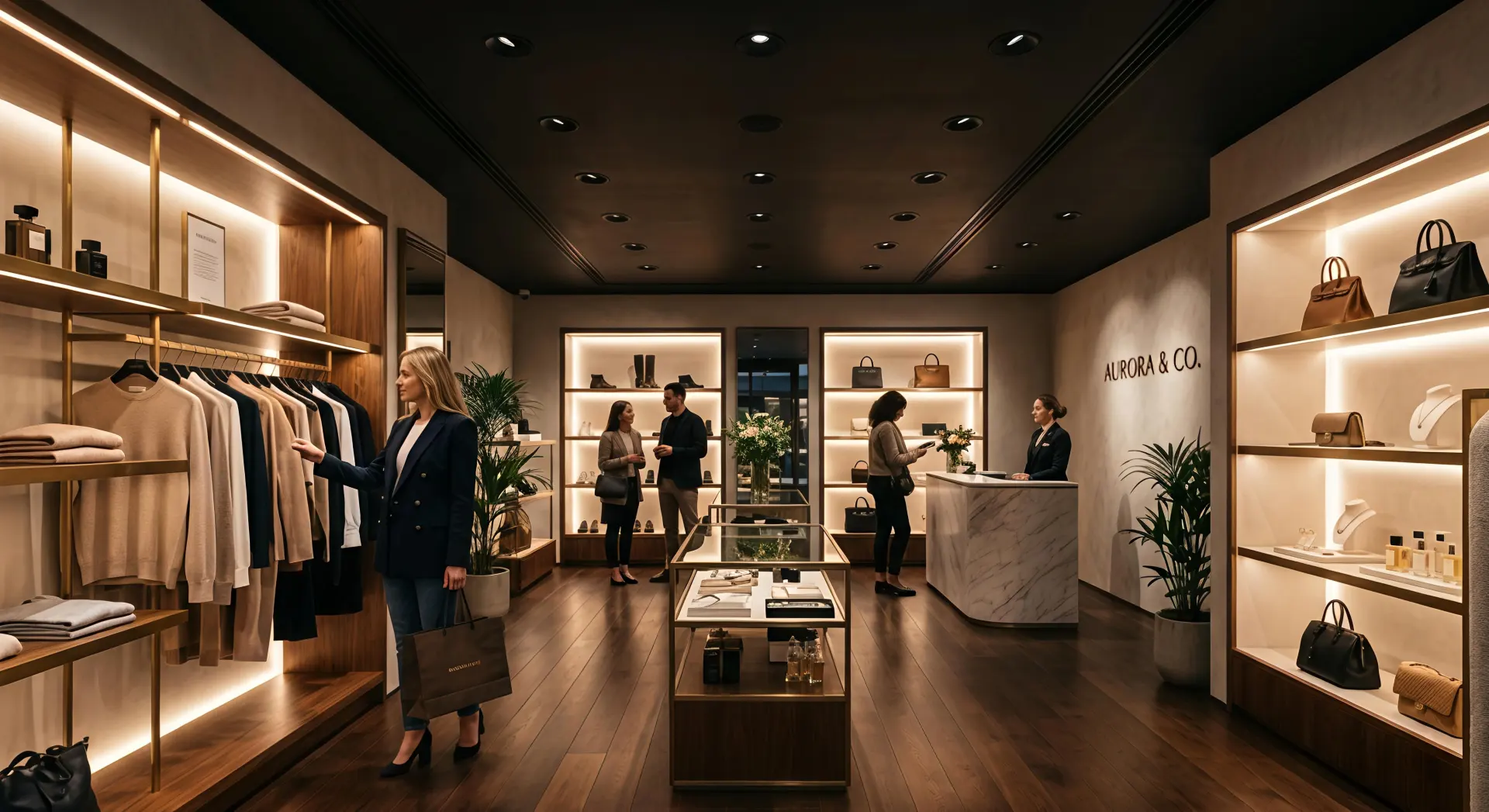
Anti-glare fixtures improve visual comfort by reducing:
- direct glare
- reflected glare
- visual stress
- excessive contrast
This creates a softer and more balanced lighting environment.
Commercial Benefits of Low-Glare Lighting
| Commercial Space | Lighting Benefit |
|---|---|
| Büros | Reduced eye strain and improved concentration |
| Einzelhandelsgeschäfte | Better customer experience and product visibility |
| Hotels | Softer and more premium atmosphere |
| Ausstellungsräume | Comfortable viewing without harsh reflections |
| Restaurants | Relaxed and welcoming ambiance |
Anti Glare Recessed Downlights vs Traditional Downlights
Traditional LED downlights are often designed with maximum brightness in mind. While they may deliver strong illumination, they can also expose the LED source directly to the eye.
This is where anti-glare solutions create a significant difference.
| Traditional Downlights | Anti-Blendung-Downlights |
|---|---|
| Direct visible LED source | Tief zurückgezogene Optiken |
| Higher visual discomfort | Softer visual appearance |
| Strong glare reflections | Better glare control |
| Basic lighting effect | Premium lighting atmosphere |
| Focus on brightness only | Balance of comfort and efficiency |
As commercial lighting standards continue to evolve, more projects are prioritizing visual quality instead of brightness alone.
Why Commercial Spaces Combine Spotlights and Anti Glare Recessed Downlights
One common mistake in commercial lighting design is trying to illuminate an entire space using only spotlights.
While spotlights are excellent for accent lighting, they are not ideal for general ambient lighting.
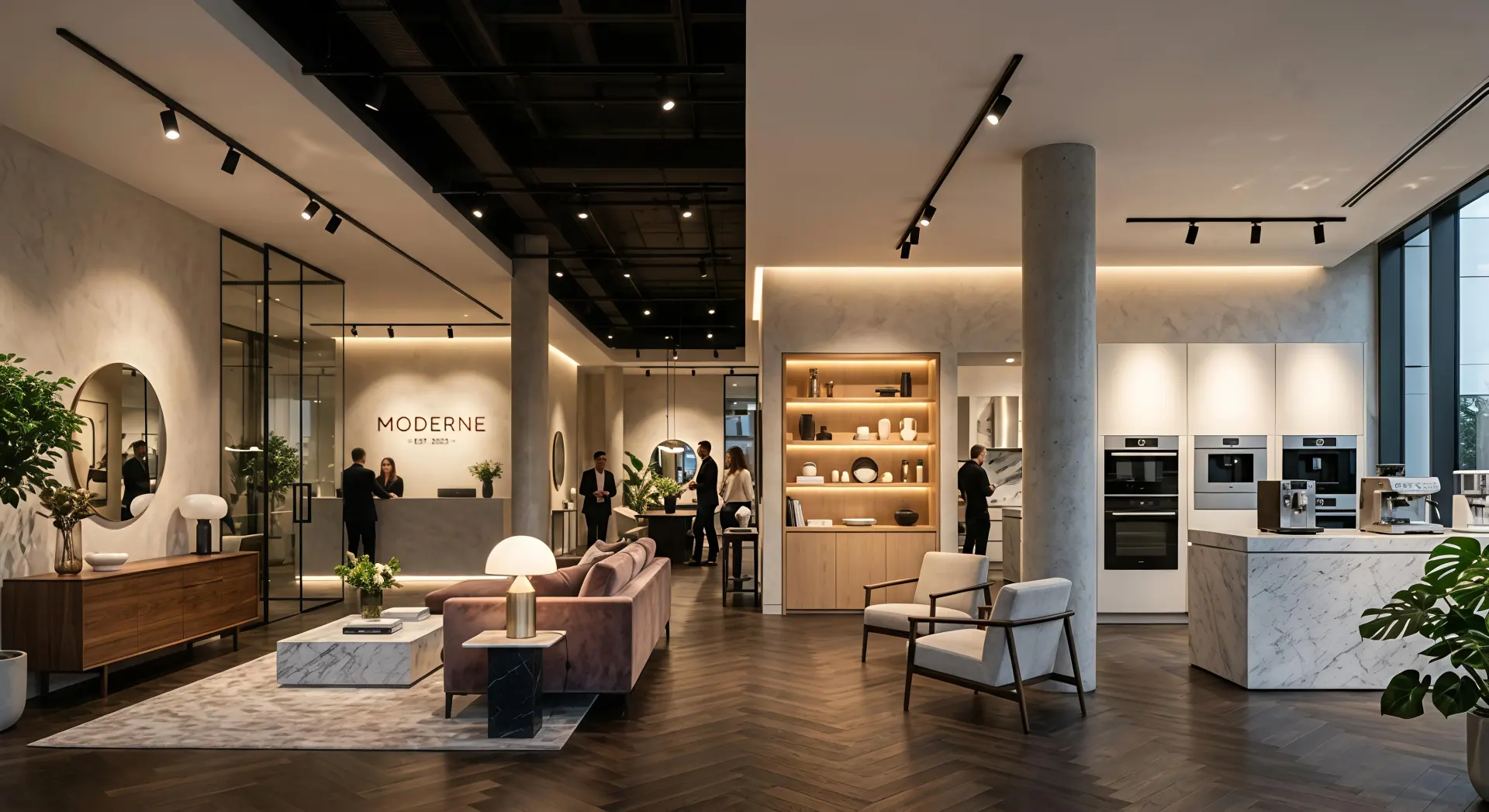
The most effective commercial lighting strategy usually combines:
- spotlights for focal areas
- recessed downlights for ambient lighting
Zum Beispiel:
- retail displays use spotlights to highlight products
- downlights provide balanced background illumination
- anti-glare optics prevent visual discomfort throughout the space
This layered lighting approach creates a more professional and comfortable environment.
Can Anti Glare Recessed Downlights Still Be Bright?
A common misconception is that glare reduction means lower brightness.
In Wirklichkeit, modern high-efficiency LED technology allows many fixtures to deliver both: high efficacy + Niedriges Blenden.
Today’s commercial-grade fixtures can reach100–150 lm/W, while still maintaining excellent visual comfort.
This balance is becoming increasingly important in projects that require:
- energieeinsparungen
- comfortable lighting
- premium aesthetics
- sustainable building performance
What to Look for When Choosing Anti Glare Recessed Downlights
Selecting the right fixture involves more than choosing wattage or beam angle.
Here are several key factors professional buyers and designers consider.
UGR Rating
Lower UGR values provide better visual comfort.
For offices and retail spaces:
- UGR < 19 is generally recommended.
Abstrahlwinkel
Different beam spreads serve different purposes.
| Abstrahlwinkel | Typische Anwendung |
|---|---|
| Schmaler Strahl | Accent and display lighting |
| Mittlerer Strahl | General commercial lighting |
| Breiter Strahl | Open public areas and corridors |
Farbwiedergabe (WEINEN)
Higher CRI values improve color accuracy and product presentation, insbesondere in:
- fashion retail
- Galerien
- hospitality environments
Flimmerfreie Treiber
Flicker-free drivers reduce visual fatigue and improve lighting quality during long operating hours.
Deep Anti-Glare Structure
The deeper the recessed optical design, the better the glare control performance tends to be.
This is one of the most important features in professional commercial lighting.
Why Low-Glare Lighting Is Becoming the Industry Standard
Commercial lighting is moving toward a more human-focused approach.
Today’s projects are increasingly designed around:
- employee wellness
- Kundenkomfort
- Visuelles Erlebnis
- architectural atmosphere
This is why low-glare lighting solutions are becoming standard in modern commercial environments.
Rather than creating spaces that feel overly bright and harsh, designers now aim for lighting that feels:
- Ausgewogen
- bequem
- Prämie
- visually relaxing
Das Ergebnis, anti-glare recessed lighting continues to grow in popularity across commercial projects worldwide.
FAQ About Anti Glare Recessed Downlights
Q: What is the ideal UGR for commercial lighting?
Ein: For most offices and retail environments, UGR below 19 is considered comfortable for long-term use.
Q: Do anti-glare downlights reduce eye strain?
Ein: Ja. Proper glare control helps reduce visual fatigue and improves overall lighting comfort.
Q: Are anti-glare recessed fixtures suitable for offices?
Ein: Absolut. They are widely used in offices because they create a softer and less distracting lighting environment.
Q: What is the difference between anti-glare and anti-reflective?
Ein: Anti-glare lighting reduces visual discomfort caused by bright light sources, while anti-reflective technology mainly reduces reflections on surfaces such as glass or screens.
Q: Can low-glare lighting still provide high brightness?
Ein: Ja. Modern LED technology allows high efficacy and glare control to work together in the same fixture.
Schlussfolgerung
Commercial lighting today is no longer just about illumination. It is about creating spaces where people feel comfortable, konzentriert, and engaged.
By reducing visual discomfort while maintaining high efficiency and modern aesthetics, anti-glare recessed lighting has become an essential solution for offices, Einzelhandelsgeschäfte, Hotels, and other commercial environments.
As businesses continue investing in customer experience and workplace wellness, lighting designed around visual comfort will only become more important in the years ahead.

