



Advantages of DALI Low UGR Lighting in Linear and Track Systems
By Powerstar
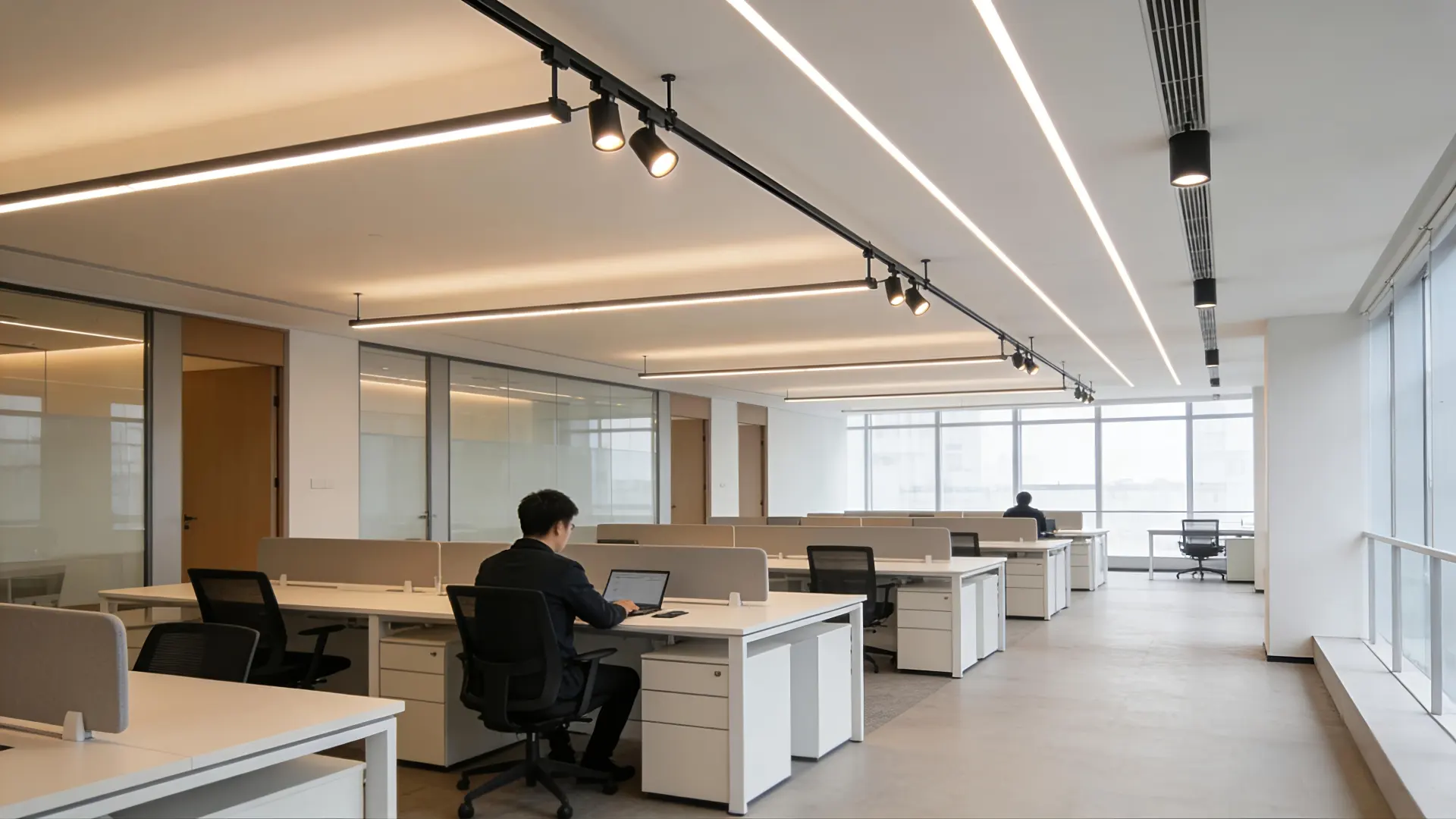
From “Illuminating Space” to Redefining Light Quality
DALI Low UGR Lighting is transforming the way modern architectural and commercial spaces are illuminated.
In contemporary architecture and interior design, lighting has evolved far beyond basic illumination, with growing emphasis on visual comfort, intelligent control, and human-centric environments.
With the growing awareness of Human-Centric Lighting, designers and project owners are paying increasing attention to how light affects human perception, comfort, and well-being.
In high-end offices, commercial chains, and art-focused spaces, one key question has emerged:
How can intelligent lighting control be combined with exceptional visual comfort?
The integration of DALI (Digital Addressable Lighting Interface) dimming technology with UGR < 13 ultra-low glare luminaires offers a clear answer.
When applied to linear and track lighting systems, this combination transforms light into a subtle design element—enhancing spatial quality without drawing attention to the light source itself.
DALI Low UGR Lighting and Visual Comfort: Why UGR < 13 Is the New Benchmark
From UGR < 19 to UGR < 13: Redefining Glare Control
Glare is one of the main causes of visual fatigue, loss of concentration, and discomfort in interior environments.
According to international standards such as EN 12464-1, office and commercial spaces typically require UGR < 19, a value long regarded as acceptable.
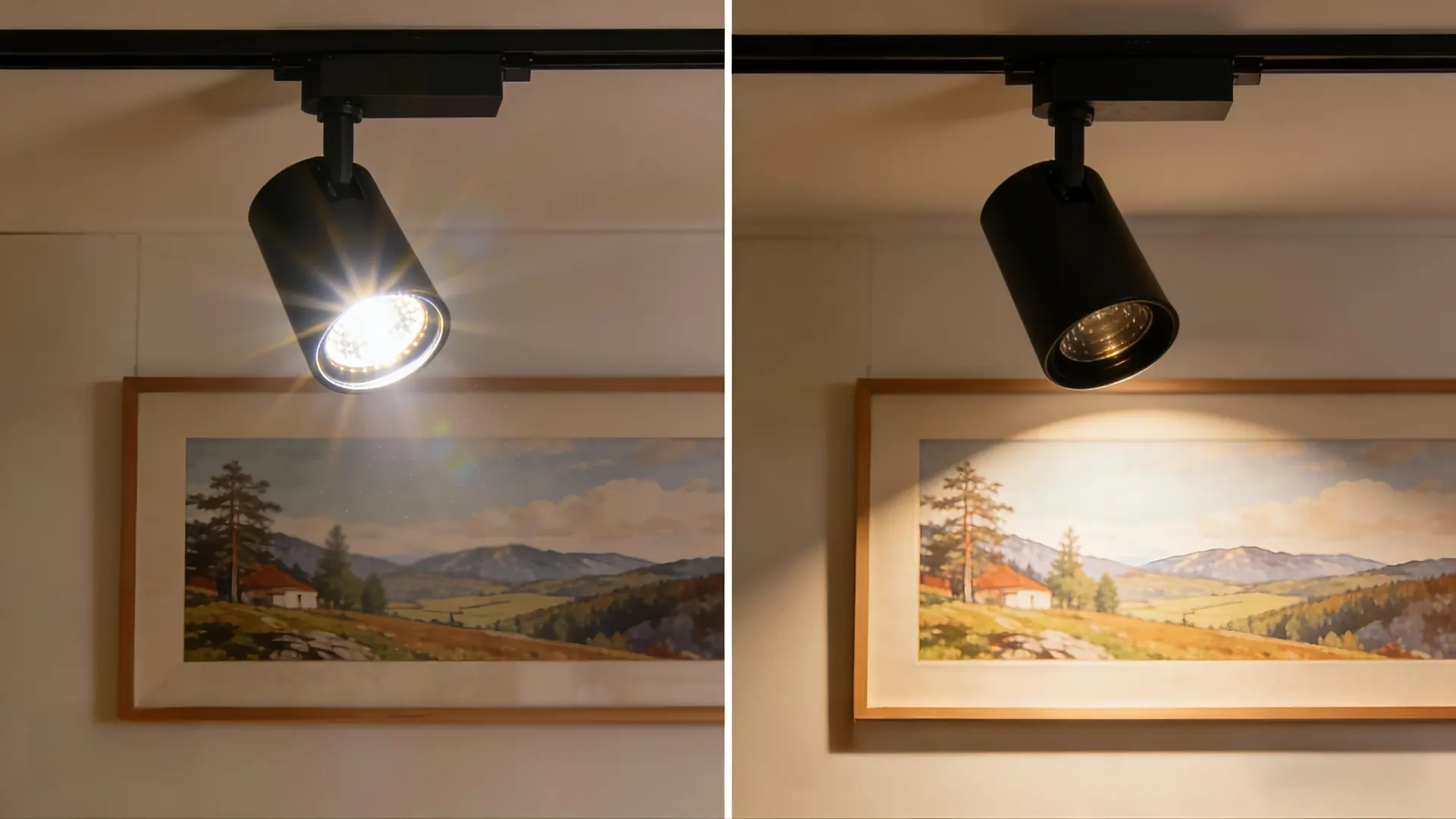
However, in projects where lighting quality is critical, UGR < 19 represents only the minimum requirement.
Our linear and track lighting systems are engineered to achieve UGR < 13, setting a new standard for low glare lighting in architectural applications.
- From a physical perspective, UGR < 13 means that the light source is almost imperceptible within normal viewing angles. Direct glare on the retina is effectively eliminated, creating a “light without visible luminaires” effect.
- From a psychological perspective, ultra-low glare produces a calm and visually quiet environment. Light no longer competes with architecture; instead, it subtly enhances materials, textures, and spatial composition.
Optical Engineering Behind UGR < 13 Low Glare Luminaires
Achieving ultra-low glare is not a matter of adding a simple shield—it requires a fully integrated optical design.
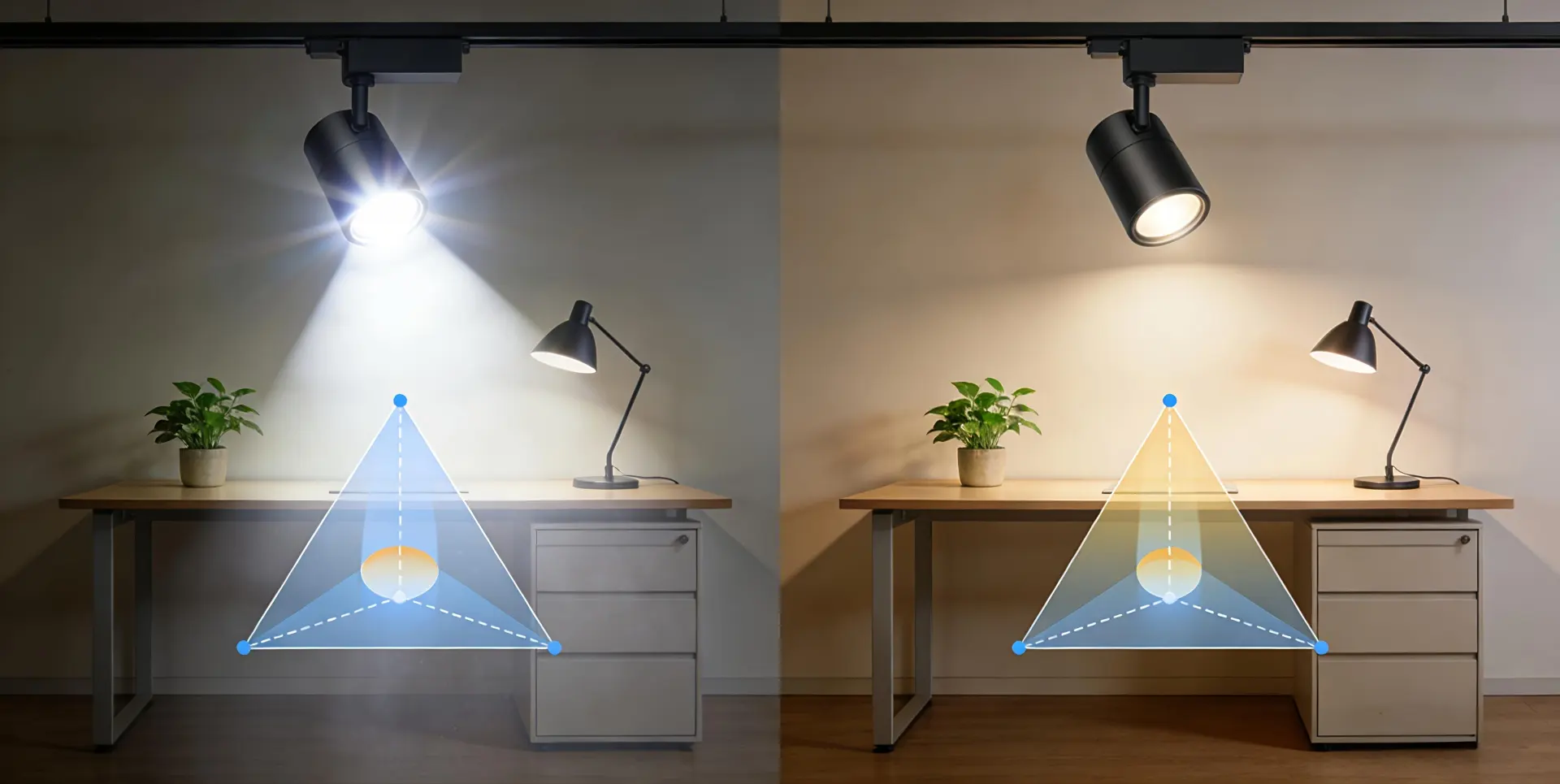
Key technologies include:
- Deep recessed light source design
Enlarged cut-off angles and deep optical chambers position the light source away from direct sight lines. - Micro-prismatic and anti-glare louver systems
Precisely engineered micro-prisms or black chrome reflectors control beam direction and block stray light from reaching the eye. - Nano-scale low-reflectance coatings
Special non-reflective surface treatments eliminate secondary light spill and ensure clean, controlled beam edges.
Together, these technologies allow linear and track luminaires to deliver high output while maintaining exceptional glare control.
DALI Low UGR Lighting Control: The Intelligent Core of Modern Lighting Systems
If low UGR defines the form of light, DALI dimming control defines its behavior.
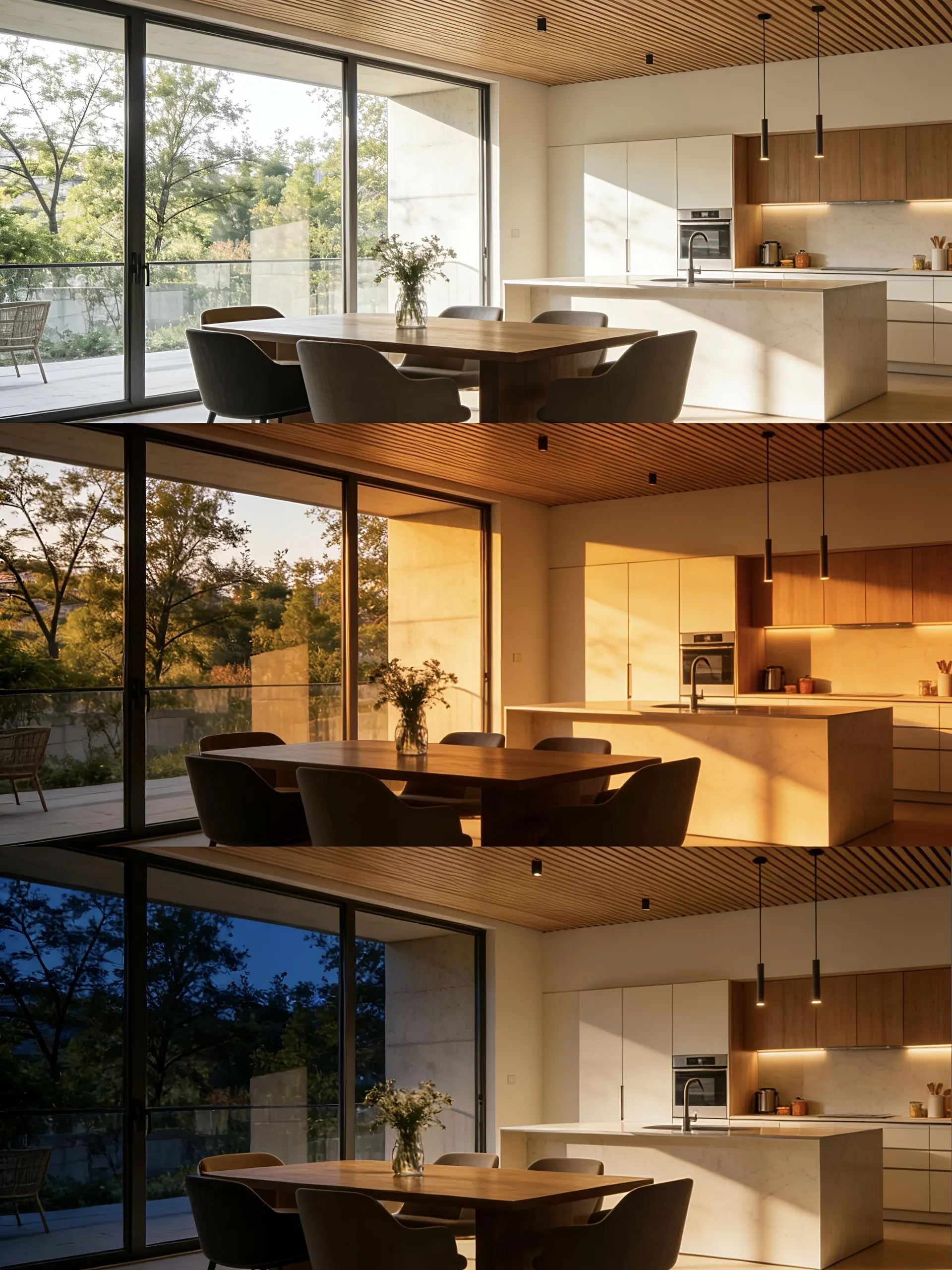
Digital Addressable Control for Precision Lighting
DALI is one of the most widely adopted and reliable digital lighting control protocols worldwide.
- Individual luminaire addressing
Each track spotlight or linear lighting segment can be assigned a unique address, enabling precise brightness control without altering physical wiring. - Logarithmic dimming curves aligned with human vision
DALI dimming follows the natural perception of the human eye, ensuring smooth transitions from 1% to 100% brightness with no abrupt changes.
Flicker-Free Performance for Long-Term Visual Comfort
High-quality DALI drivers maintain stable current output even at very low dimming levels (such as 5%), effectively eliminating flicker.
When combined with DALI Low UGR Lighting, this creates an ideal environment for spaces that demand prolonged visual focus, including:
- Open-plan offices
- Design studios and laboratories
- Financial trading floors
- High-precision professional environments
System-Level Advantages of DALI Low UGR Lighting Solutions
When intelligent digital control meets advanced glare-free optics, the result is a lighting system that resolves many common challenges in modern projects.
Reduced Screen Reflections in Office Lighting
In today’s screen-dominated workplaces, conventional luminaires often cause reflections and glare on display surfaces.
- Low UGR luminaires minimize reflected glare at the source
- DALI systems dynamically adjust light output based on ambient daylight
Together, they ensure clear screen visibility and help reduce eye strain during long working hours.
Daylight Harvesting and Energy Efficiency with DALI Low Glare Lighting
With DALI-connected sensors, luminaires automatically respond to available natural light.
Thanks to the UGR < 13 optical design, light distribution remains consistent even as output levels change.
This avoids harsh contrasts while achieving energy savings of over 30% in many commercial environments.
Human-Centric Lighting with DALI and Ultra-Low Glare Optics
Using DALI DT8 tunable white control, lighting systems can replicate the natural rhythm of daylight:
- Higher color temperatures and illuminance levels in the morning to stimulate alertness
- Softer, low glare lighting in the afternoon to reduce stress and fatigue
The ultra-low glare design ensures these transitions feel natural and unobtrusive.
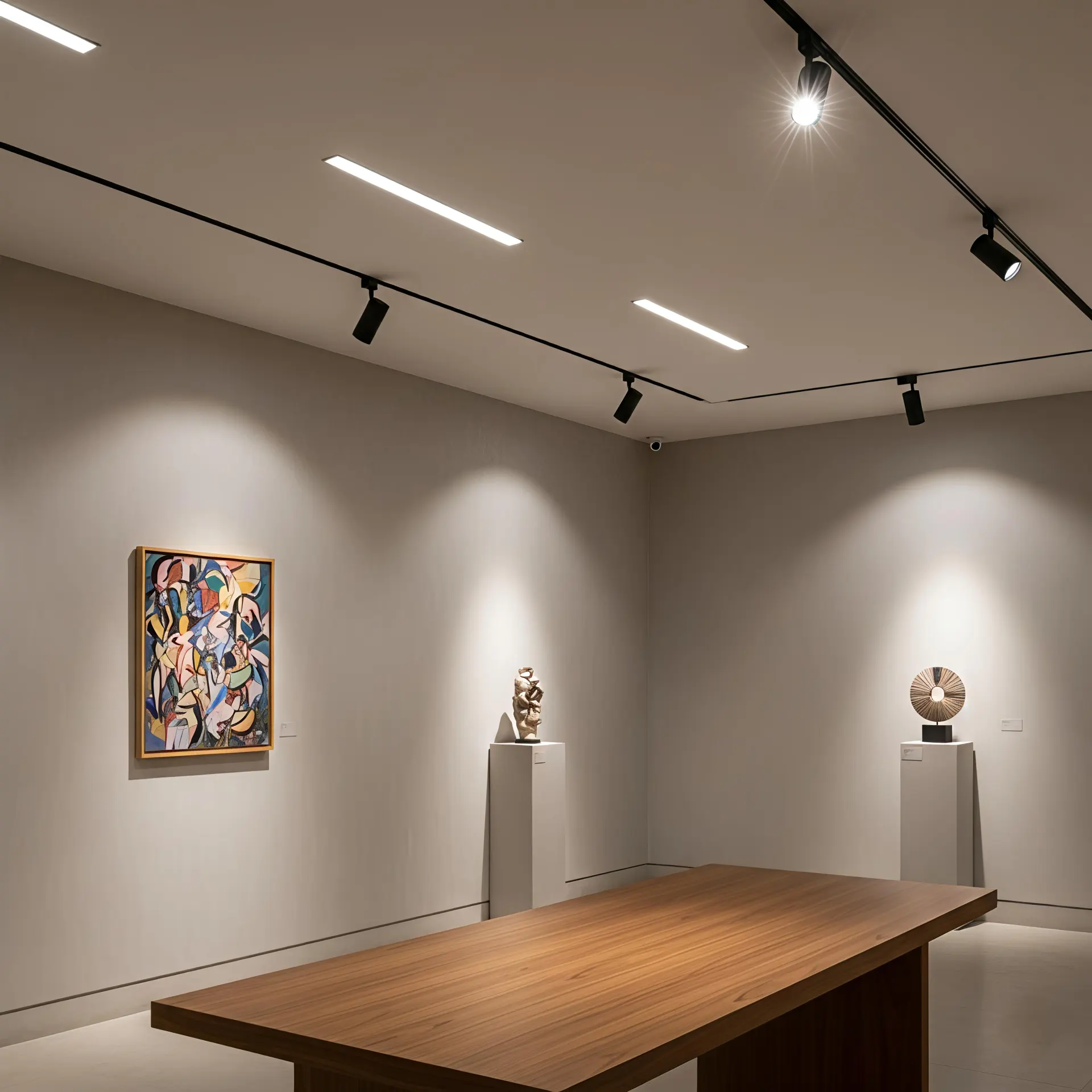
Enhanced Flexibility in Linear and Track Lighting Systems
- In track lighting systems
DALI-controlled track luminaires allow instant switching between accent and ambient lighting. With UGR < 13 optics, exhibits and products are highlighted without causing discomfort to moving viewers. - In linear lighting systems
Low UGR design prevents continuous luminous lines from appearing harsh, while DALI segment control enables different lighting logic for corridors, work zones, and public areas.
Reduced Maintenance and Long-Term Operational Costs
DALI’s two-way communication provides real-time feedback on luminaire status.
Combined with low thermal load and long-life ultra-low glare optical modules, this results in fewer maintenance interventions and extended LED lifespan.
Ideal Applications for DALI Low UGR Lighting
DALI Low UGR Lighting solutions are particularly well suited for:
- Grade-A office buildings
- Luxury retail and flagship stores
- Museums, galleries, and exhibition spaces
- Educational and research facilities
- High-end residential and private study areas
Conclusion: Toward the Art of Invisible Light
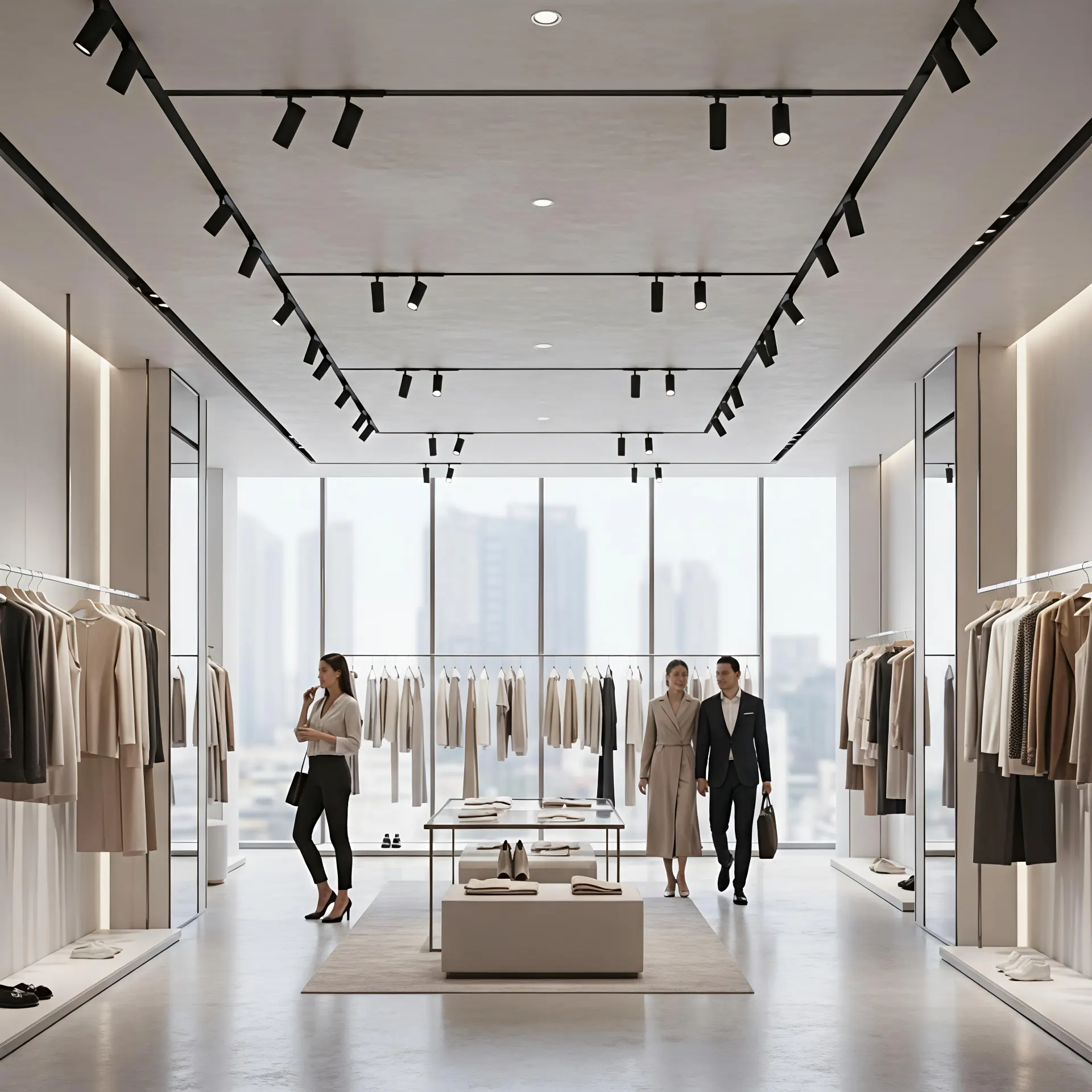
The highest level of lighting design is achieved when light is present, but the luminaire disappears.
By integrating DALI dimming technology with UGR < 13 ultra-low glare optics into linear and track lighting systems, we go beyond technical performance to redefine spatial experience.
In the future, light will no longer burden architecture—it will become a precisely controlled, human-centered element that quietly enhances every space it touches.

