



Top Trends in DALI Retail Lighting System for 2026: Illuminating the Future of Retail Transformation
By Powerstar
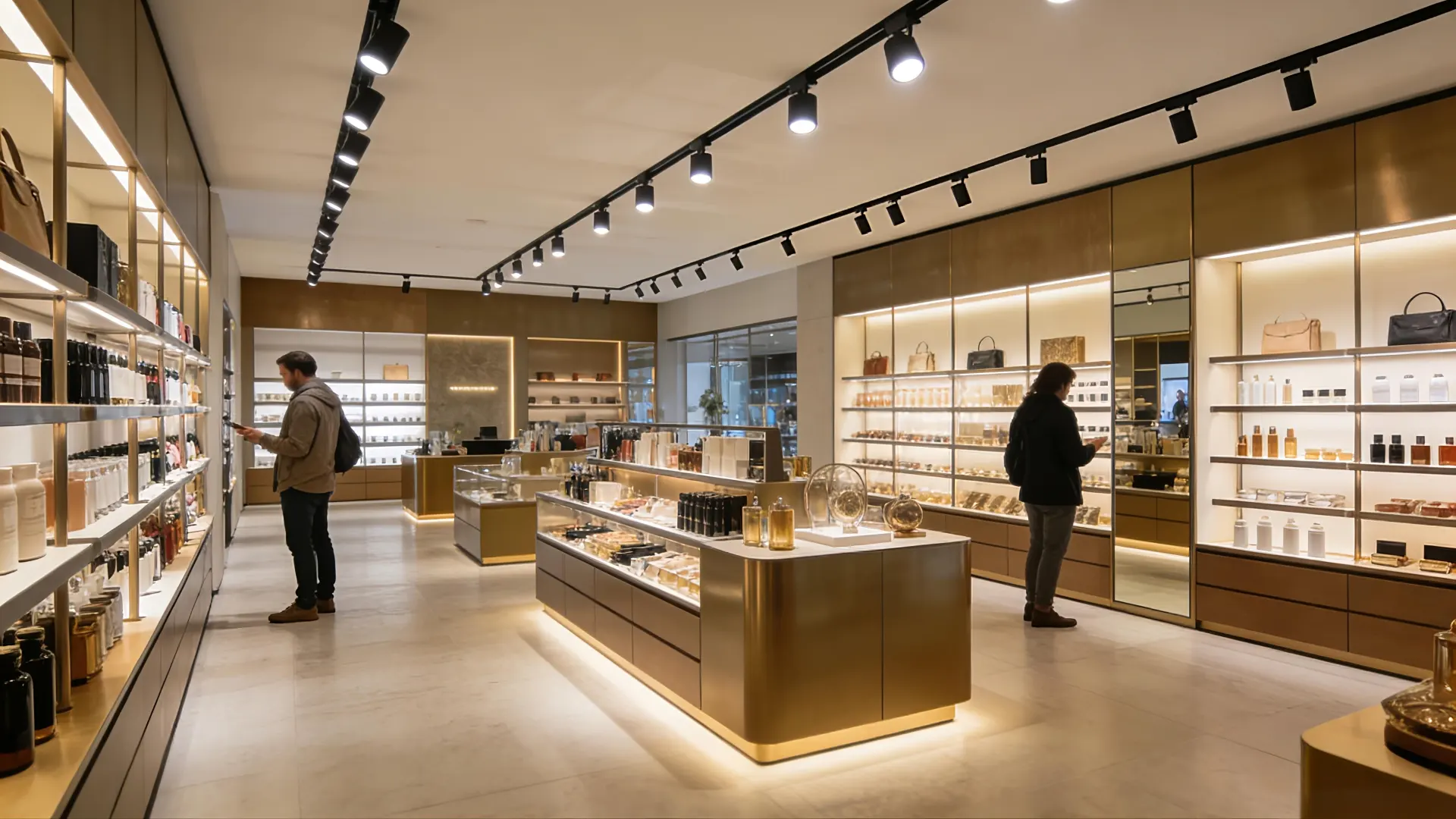
As global retail undergoes digital and intelligent transformation, lighting has evolved far beyond a simple “brightness” tool. It has become a core link connecting consumers, space, and data. As the gold standard in commercial lighting, the DALI Retail Lighting System is reaching a technological peak in 2026. Through D4i standard adoption, Human-Centric Lighting (HCL), data integration, and smart management, DALI systems not only enhance lighting quality but also help retailers drive sales, optimize operations, and achieve sustainability goals. This article explores the top trends in DALI Retail Lighting System for 2026 and their practical applications.
Trend 1: D4i-Enabled Smart Retail Lighting – From Basic Control to IoT “Neurons”
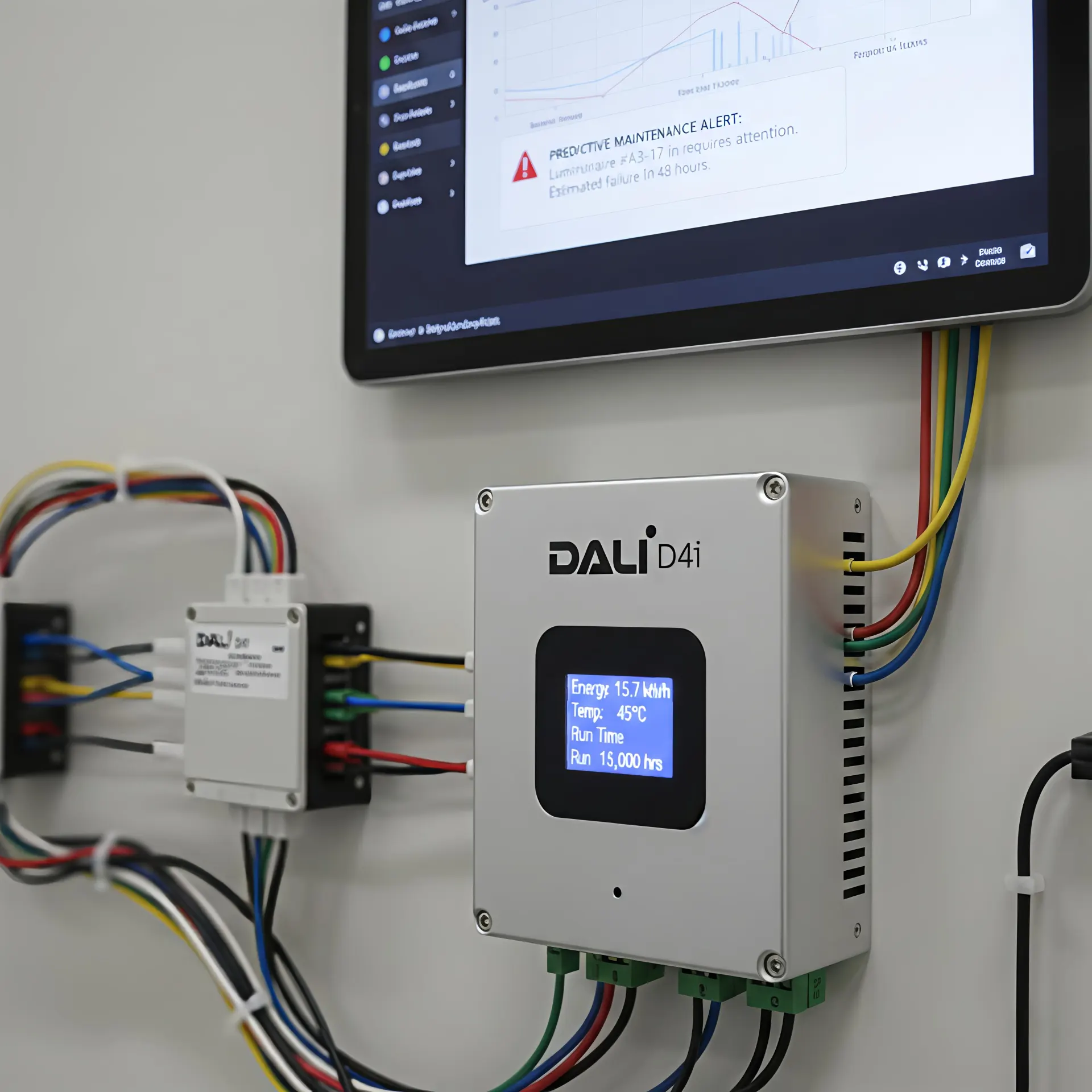
By 2026, D4i (DALI for IoT) has become standard in retail lighting. Every fixture is no longer just a light source but an active data node. The D4i standard provides intelligence, interoperability, and data-sharing capabilities, enabling predictive maintenance and precise management.
| Feature | Traditional DALI | D4i (DALI for IoT) | Benefits |
|---|---|---|---|
| Asset Management | No real-time monitoring | Real-time reporting of power consumption, operating hours, and temperature | Predictive maintenance, reduced inspection cost |
| Interoperability | Limited to single-brand | Cross-brand plug-and-play | Flexible system upgrades, avoids vendor lock-in |
| Data Application | Basic lighting control | Integration with IoT and BMS | Data-driven decisions, optimized operations |
D4i allows retailers to receive automatic alerts when a fixture nears the end of its lifespan, enabling preemptive maintenance, avoiding dark spots in stores, and reducing manual inspection costs.
Trend 2: Human-Centric Lighting Enhances Customer Experience
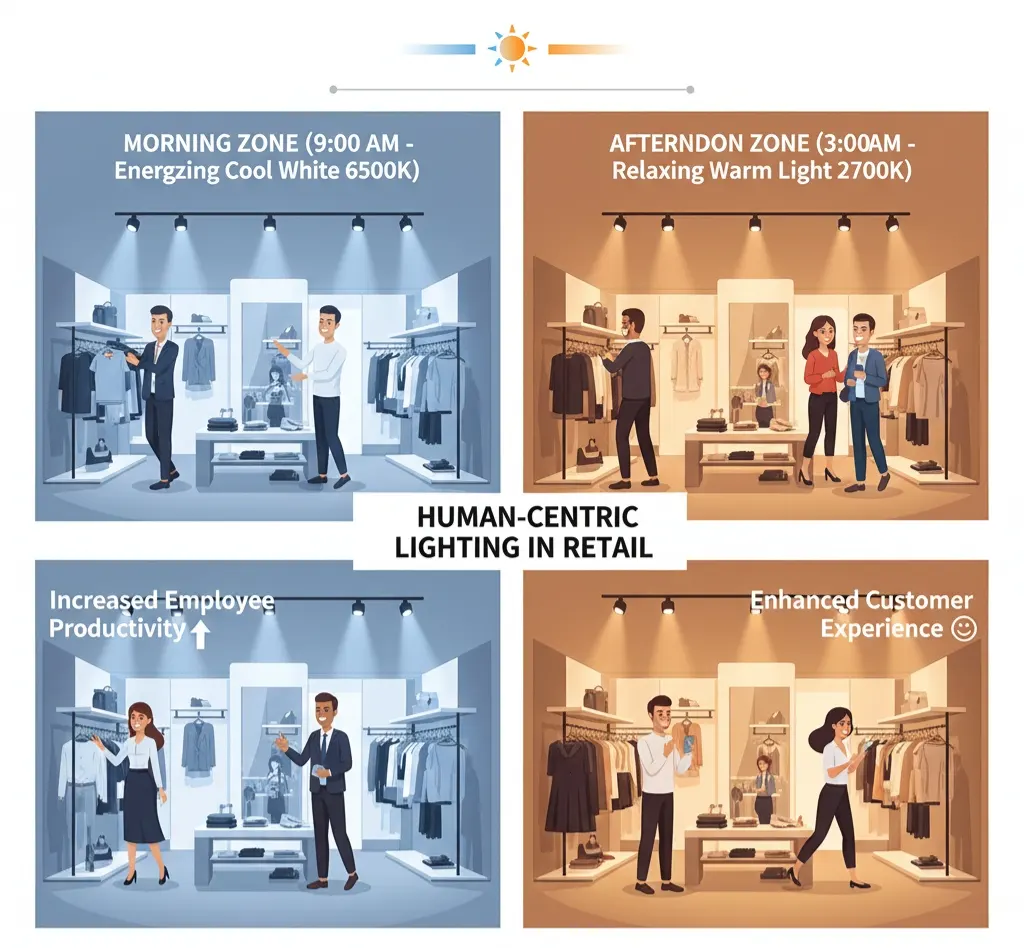
Modern retail emphasizes “emotional value.” Human-Centric Lighting (HCL) using DALI-2 DT8 devices precisely controls color temperature and brightness to mimic natural light, creating a comfortable environment for customers and staff.
| Area / Time | Color Temperature / Brightness | Application | Result |
|---|---|---|---|
| Morning | 6500K cool white | Stimulate staff energy | Increases employee productivity by 15% |
| Afternoon / Evening | 3000–4000K warm light | Reduce visual fatigue | Extend customer dwell time |
| Fresh Food Zone | High CRI spectrum | Enhance freshness of meat and vegetables | Boosts purchase desire |
| High-End Apparel | Dynamic light & shadow | Highlight product dimension | Increases product attractiveness |
With HCL, retailers can adjust lighting by time and area, improving shopping experience, guiding customer behavior, and increasing potential sales.
Trend 3: Smart Zoning and Scene Control for Retail Spaces
Different store areas require different lighting. DALI Retail Lighting System supports flexible zoning and scene control:
- Adjustable brightness for each zone to highlight key products
- Automatic dimming based on foot traffic or promotional events
- Integration with sensors and IoT devices for automated, energy-efficient management
For example, spotlighting new arrivals in the display area while using soft light in lounge areas provides both energy savings and a comfortable shopping experience. Pre-set scenes also help retailers adapt to seasonal promotions or product launches.
Trend 4: Data-Driven DALI Retail Lighting System & Light-Based Services (LBS)
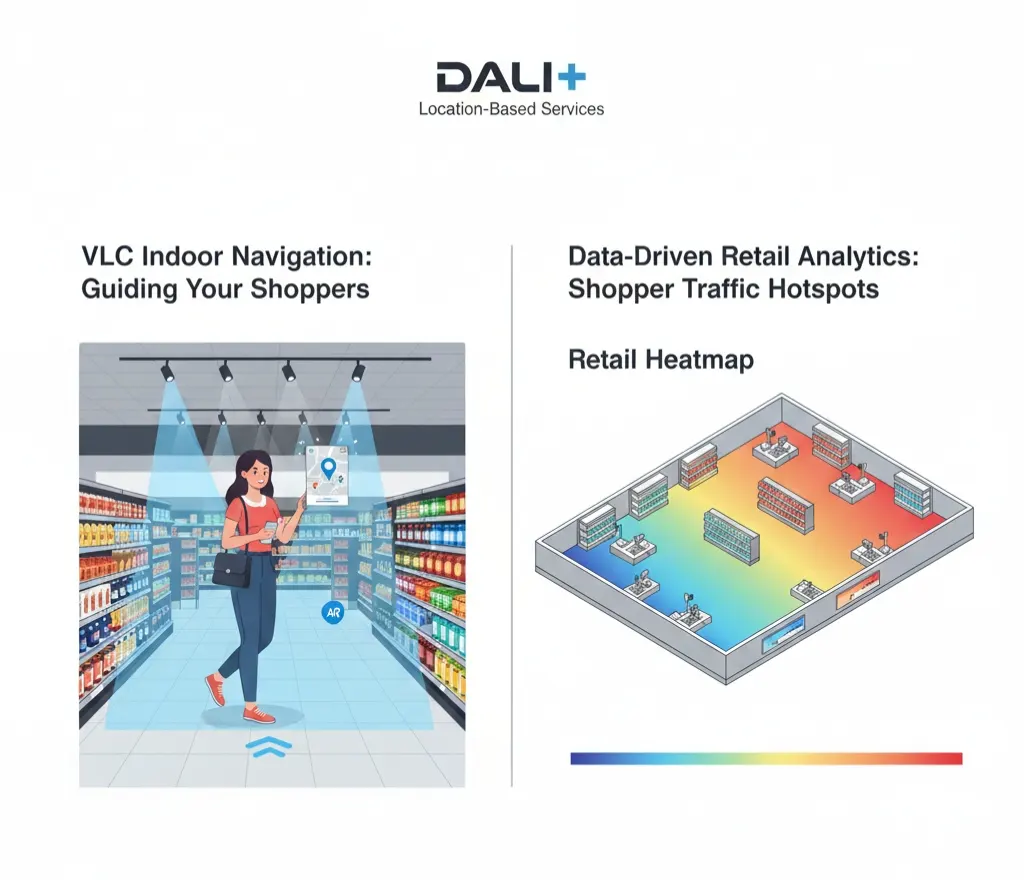
Retail lighting in 2026 is not just about illumination—it serves as a data collection platform, enabling Light-Based Services (LBS).
| Feature | Technology | Application | Retail Value |
|---|---|---|---|
| Indoor Positioning | Visible Light Communication (VLC), Bluetooth | Help customers locate products | Improves shopping efficiency, enhances customer experience |
| Precision Marketing | Zone dwell-time detection | Deliver targeted promotions | Boosts promotional conversion |
| Data Analytics | Foot traffic heatmaps | Optimize display and store layout | Provides actionable insights, increases sales |
DALI systems can interact with customer smartphones to provide light-guided navigation and personalized promotions, while generating heatmap data to optimize store layout and product placement.
Trend 5: Low Glare and High CRI in DALI Retail Lighting System
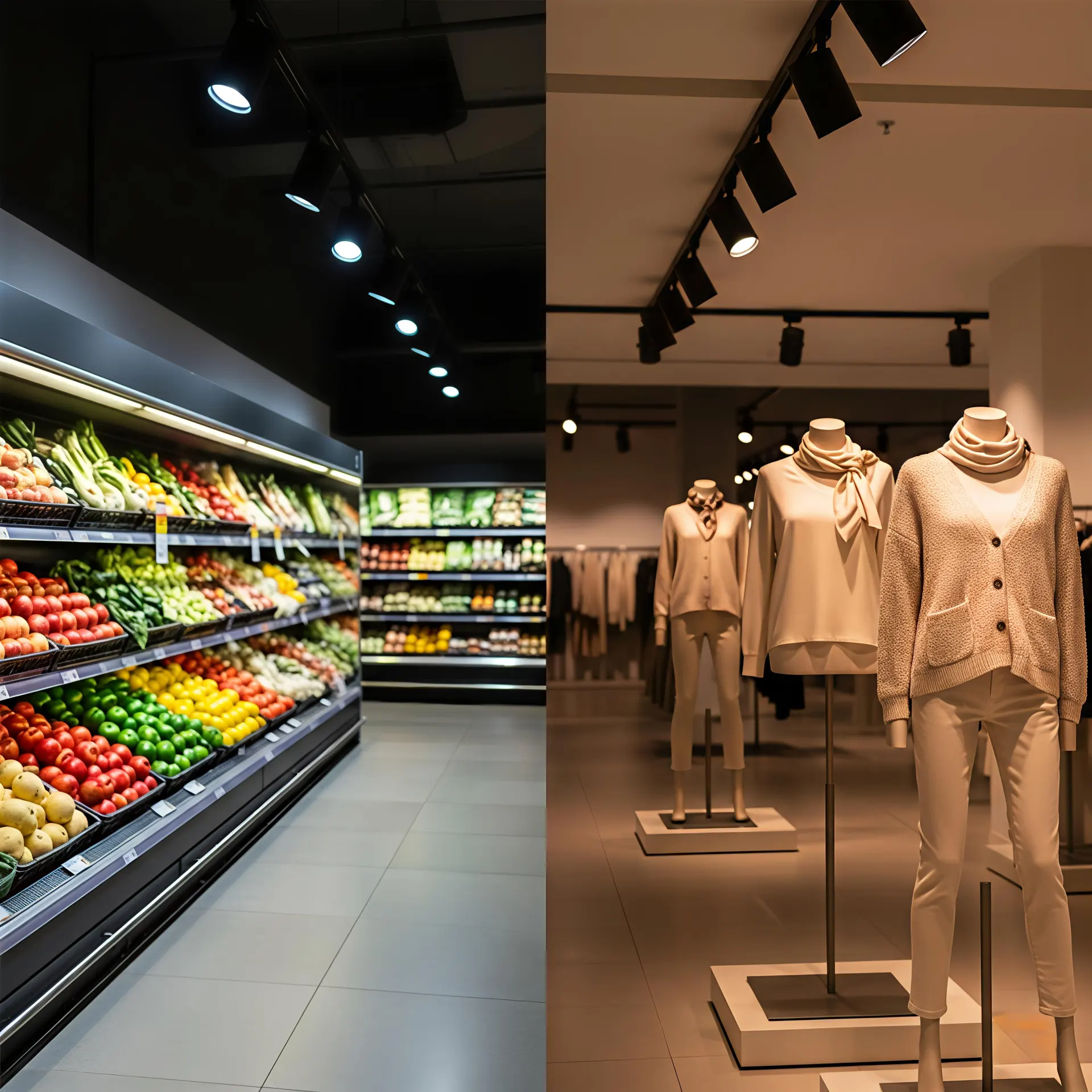
Comfortable visual experience directly influences purchasing behavior. Low Unified Glare Rating (UGR) reduces eye strain, while high Color Rendering Index (CRI) ensures accurate color representation:
- Apparel areas: natural appearance of fabrics
- Food areas: enhance freshness perception
- Luxury product areas: highlight details and texture
Fine-tuned lighting with DALI systems extends customer dwell time and improves purchase likelihood.
Trend 6: Energy-Efficient and Zero-Carbon DALI Retail Lighting System
With global carbon neutrality policies and ESG standards, energy efficiency is no longer optional. DALI systems achieve maximum energy savings through smart dimming, daylight harvesting, and constant illuminance control.
| Energy-Saving Feature | Implementation | Energy Saving | Additional Value |
|---|---|---|---|
| Constant Illuminance | Automatic adjustment with daylight sensors | Saves 30%-50% of lighting power | Enhances customer comfort |
| BMS Integration | Lights dim and HVAC adjusts in unoccupied zones | Reduces energy waste | Supports ESG compliance |
| LED + Smart Dimming | System optimizes operation parameters | Further reduces power consumption | Lowers long-term operational costs |
These strategies not only reduce costs but also support sustainability goals, aligning with green building standards in retail.
Trend 7: Modular and Easy Installation of DALI Retail Lighting System
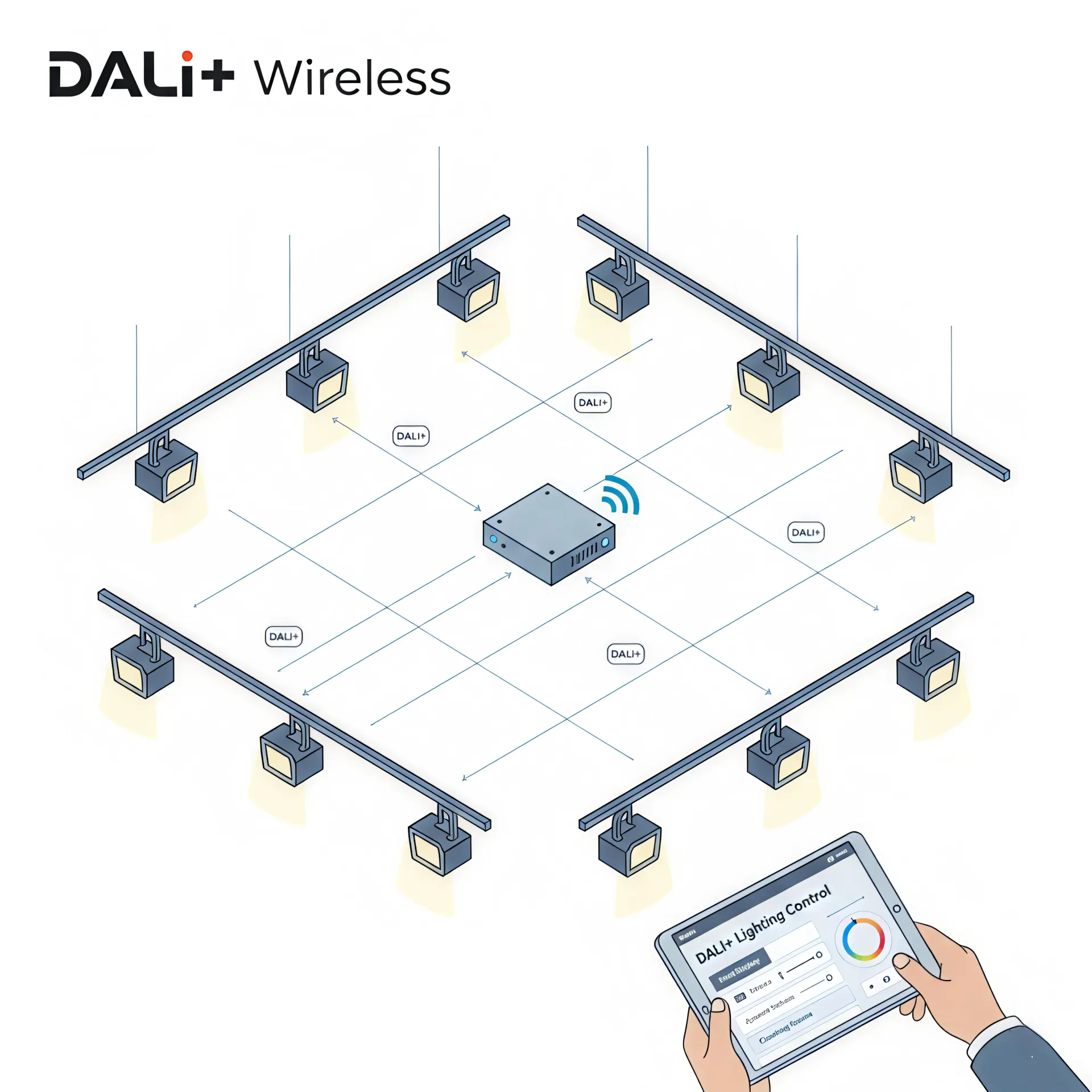
Technological advancements in 2026 simplify installation and scalability:
| Technology | Feature | Applicable Scenario | Benefit |
|---|---|---|---|
| Wireless DALI (DALI+) | Thread/Wi-Fi transmission, no wiring | Renovation or fast deployment | Reduces installation cost, flexible layout |
| Smart Software Interface | Tablet/PC-based graphical setup | Custom scenes for holidays/events | Store managers can configure independently |
| Modular Fixtures | Easily add/remove lights | Store expansion or layout changes | Reduces secondary investment, high flexibility |
Modular and smart systems allow retailers to quickly adapt to store changes, seasonal displays, or marketing events.
Trend 8: Interactive and Experiential DALI Retail Lighting System
DALI systems can integrate with interactive devices to create immersive experiences:
- Sensor-triggered lighting effects
- Dynamic shadows and highlights
- Synchronization with brand storytelling or campaigns
For instance, high-end apparel areas can simulate runway lighting, while children’s zones use playful interactive lights to enhance engagement and brand experience.
Trend 9: Personalized Lighting Strategies in DALI Retail Lighting System
Personalized lighting tailors the environment based on area, customer segment, or activity:
- High-end apparel: warm light to enhance texture
- Electronics: cool white to emphasize technology
- Seasonal promotions: dynamic lighting to attract attention
Personalized strategies improve shopping experience and increase conversion rates.
Trend 10: Aesthetic Alignment and Brand Identity with DALI Retail Lighting System
Lighting has become a critical element of brand experience. DALI systems can:
- Match spatial design and brand identity
- Enhance overall aesthetics
- Strengthen customer recognition and brand recall
Consistency between lighting and brand design is a key trend for 2026, whether in luxury stores or chain supermarkets.
Conclusion: DALI Retail Lighting System – The Smart Core of Modern Retail
By 2026, retail lighting has transformed from a “physical asset” to a “digital asset.” The DALI Retail Lighting System provides reliability, intelligence, flexibility, and scalability, becoming a fundamental infrastructure for smart retail. Investing in advanced DALI systems allows retailers to:
- Create a more attractive shopping atmosphere
- Capture in-depth consumer behavior data
- Comply with stringent sustainability and energy regulations
Lighting, in this sense, has truly become the future-driving force of retail transformation.

