



What Is Dali Human-Centric Lighting and Why It Improves Lighting Comfort
By Powerstar
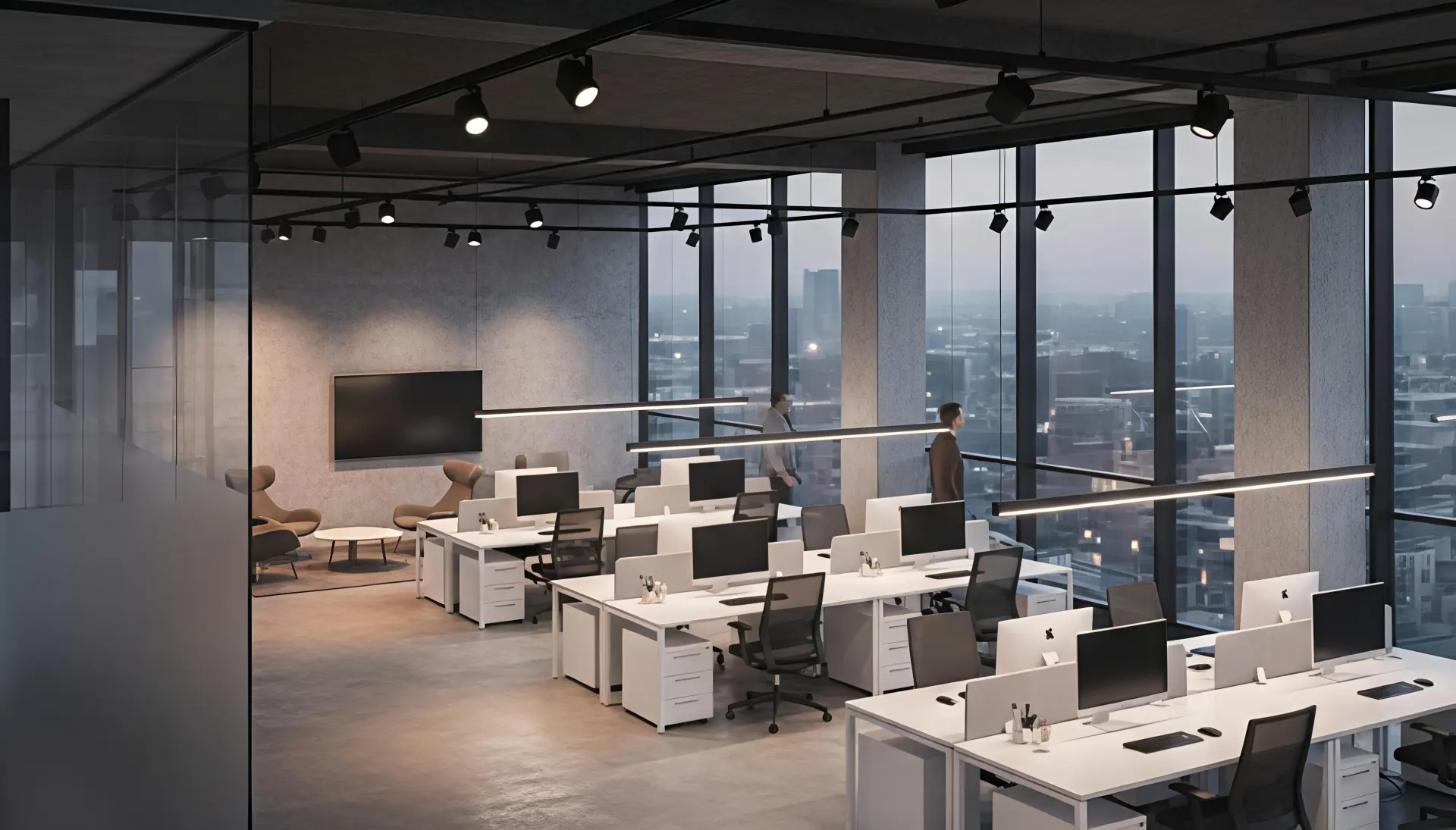
In commercial lighting projects, brightness alone is no longer the benchmark of quality. Even when illuminance levels fully comply with standards, many spaces still feel harsh, tiring, or uncomfortable to occupy for long periods. This is exactly why DALI Human-Centric Lighting has become a key topic in modern architectural and commercial lighting design—focusing not only on how much light is provided, but on how people actually experience it.
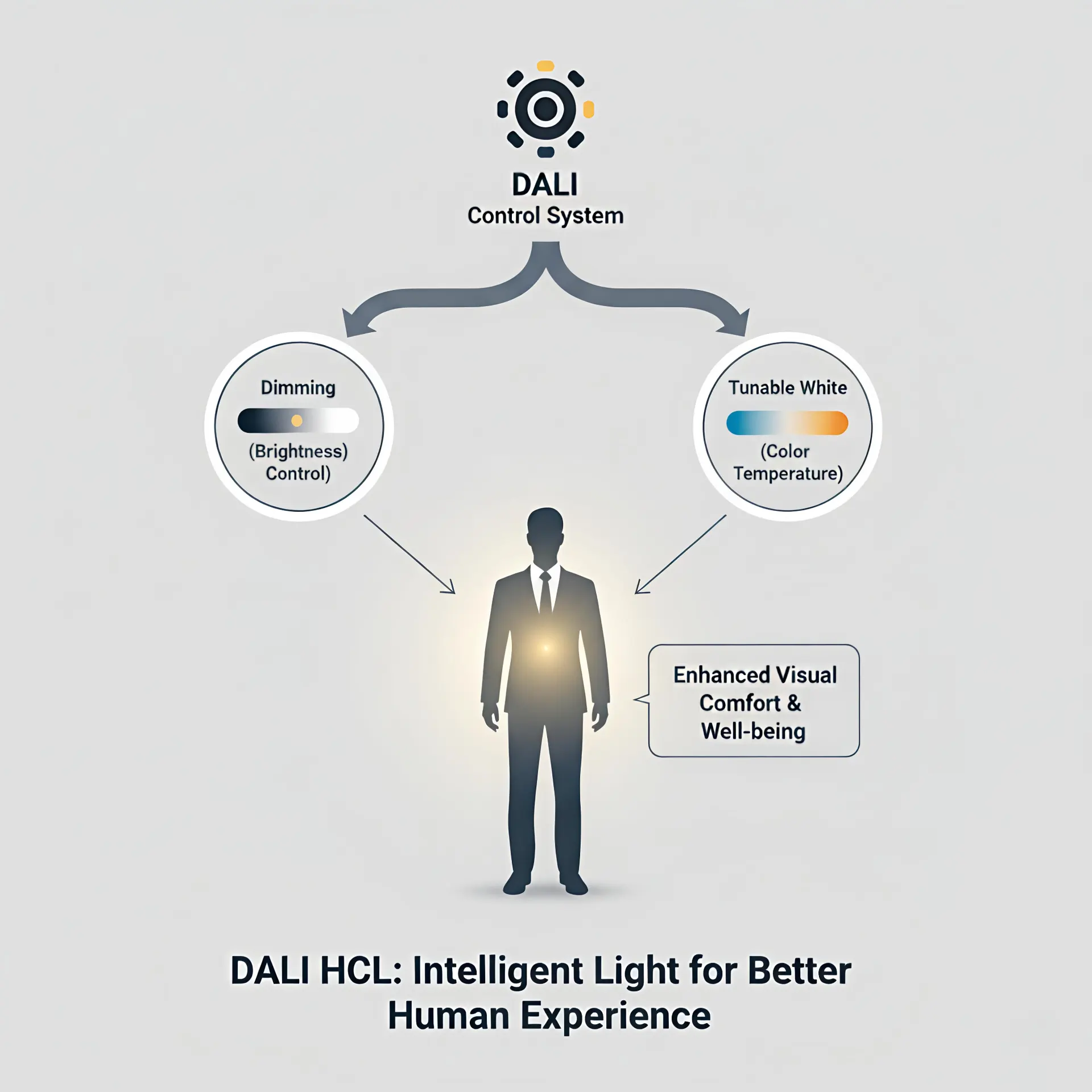
This is where DALI Human-Centric Lighting comes into play. Rather than simply illuminating objects, it focuses on supporting human comfort through smooth control, natural transitions, and lighting behaviors aligned with human perception.
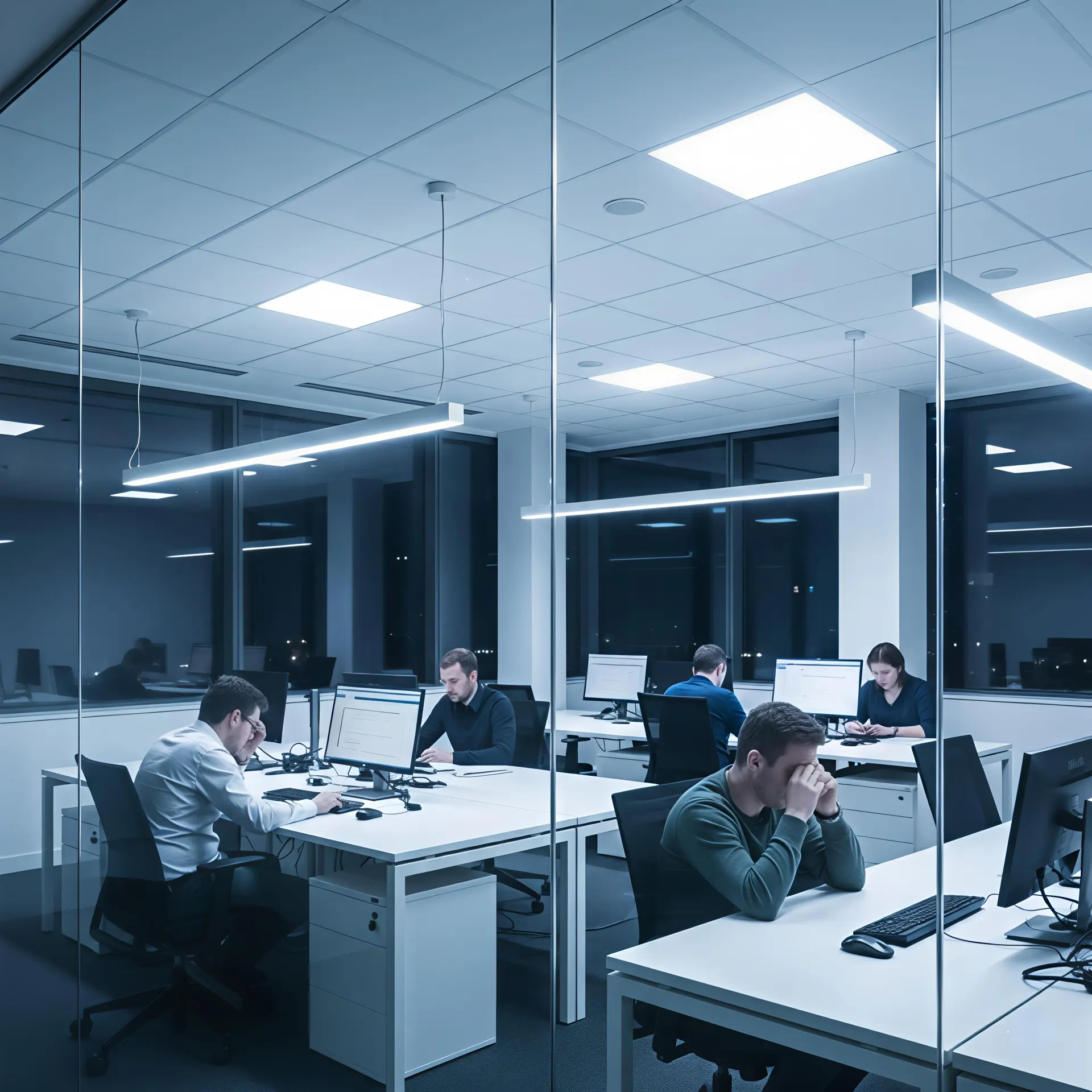
What Does Human-Centric Lighting Mean in Commercial Spaces?
To understand the value of DALI Human-Centric Lighting, it is important to recognize that light has both visual and biological effects.
The human eye contains specialized photoreceptors (ipRGCs) that connect directly to the brain’s circadian system and are highly sensitive to certain wavelengths, particularly blue light. In natural daylight, light gradually changes from cool tones in the morning to warmer tones in the evening, helping regulate alertness and rest.
In commercial lighting, however, Human-Centric Lighting does not simply mean complex circadian systems or constant color temperature changes. At its core, it follows one essential principle:
Light should adapt to human perception and activity—not force people to adapt to the light.
Key Factors That Define Lighting Comfort
The comfort of a lighting environment depends on several perceptual factors, summarized below.
| Comfort Factor | Why It Matters | Role of DALI Control |
|---|---|---|
| Smooth brightness transitions | Prevents visual fatigue | High-resolution, continuous dimming |
| Flicker-free performance | Improves long-term eye comfort | Digital DALI control eliminates flicker |
| Balanced luminance distribution | Creates calm, stable environments | Multi-luminaire synchronization |
| Scene adaptability | Matches lighting to real usage | Flexible scene and zone control |
When these elements are properly managed, a space feels noticeably calmer and more refined—even without increasing overall brightness.
Why Traditional Lighting Systems Often Fail to Deliver Comfort
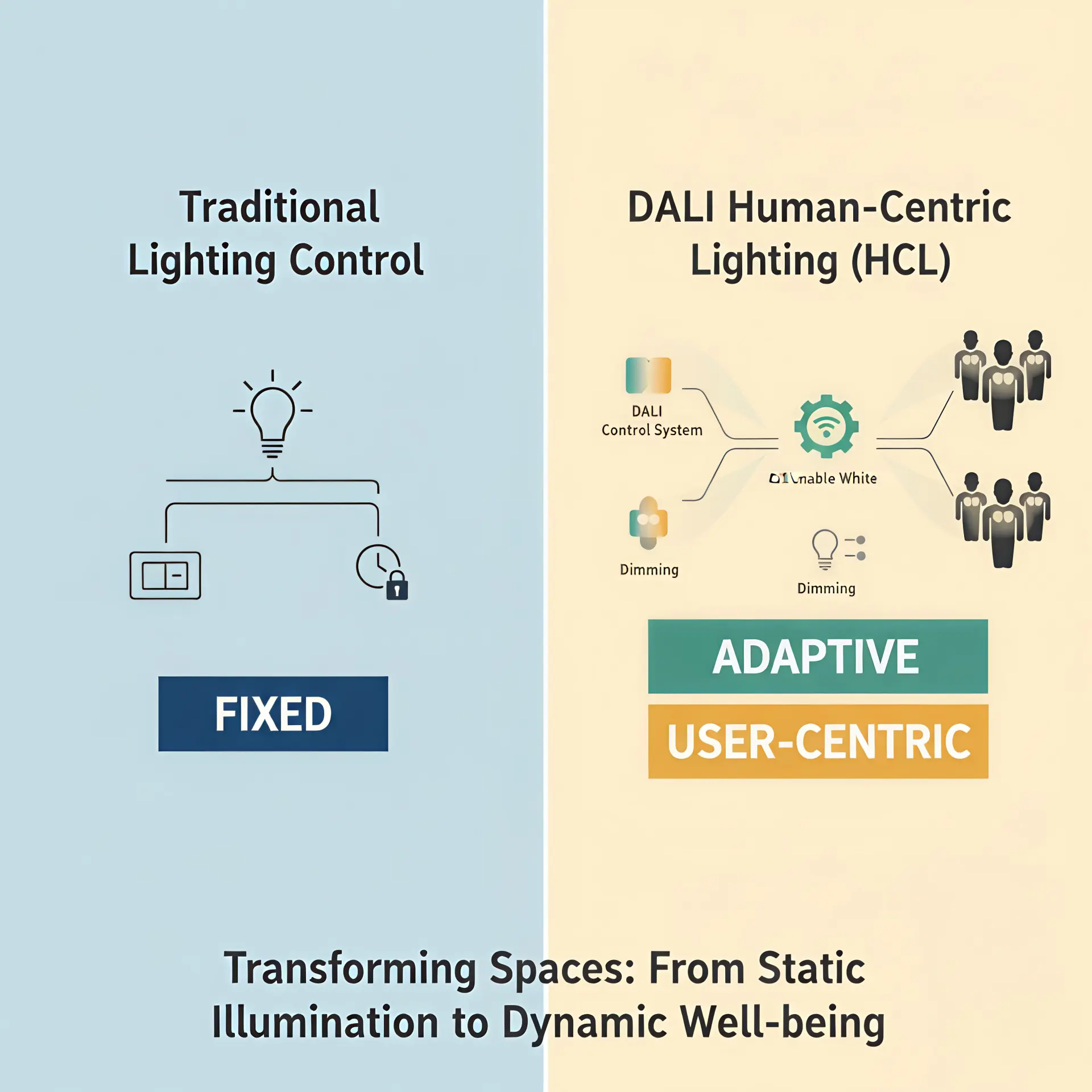
Many traditional commercial lighting systems rely on fixed brightness levels and constant color temperatures, such as 4000K or 6500K. This static approach creates an artificial “always day” or “always night” condition that can interfere with natural rhythms and visual comfort.
More importantly, conventional systems often struggle to respond to real human perception.
Traditional Lighting vs. DALI Human-Centric Lighting
| Aspect | Traditional Lighting Systems | DALI Human-Centric Lighting |
|---|---|---|
| Dimming behavior | Noticeable steps and abrupt changes | Smooth, gradual dimming aligned with human perception |
| Brightness control | Limited resolution, often static | High-resolution, continuous control |
| Flicker performance | Flicker may occur at low levels | Flicker-free lighting across the full range |
| Scene flexibility | One setting for most situations | Adaptive scenes based on time and activity |
| User experience | Functional but visually tiring | Comfortable, natural, and balanced |
These limitations explain why many spaces meet technical standards yet still feel uncomfortable in daily use.
How DALI Human-Centric Lighting Improves Lighting Comfort
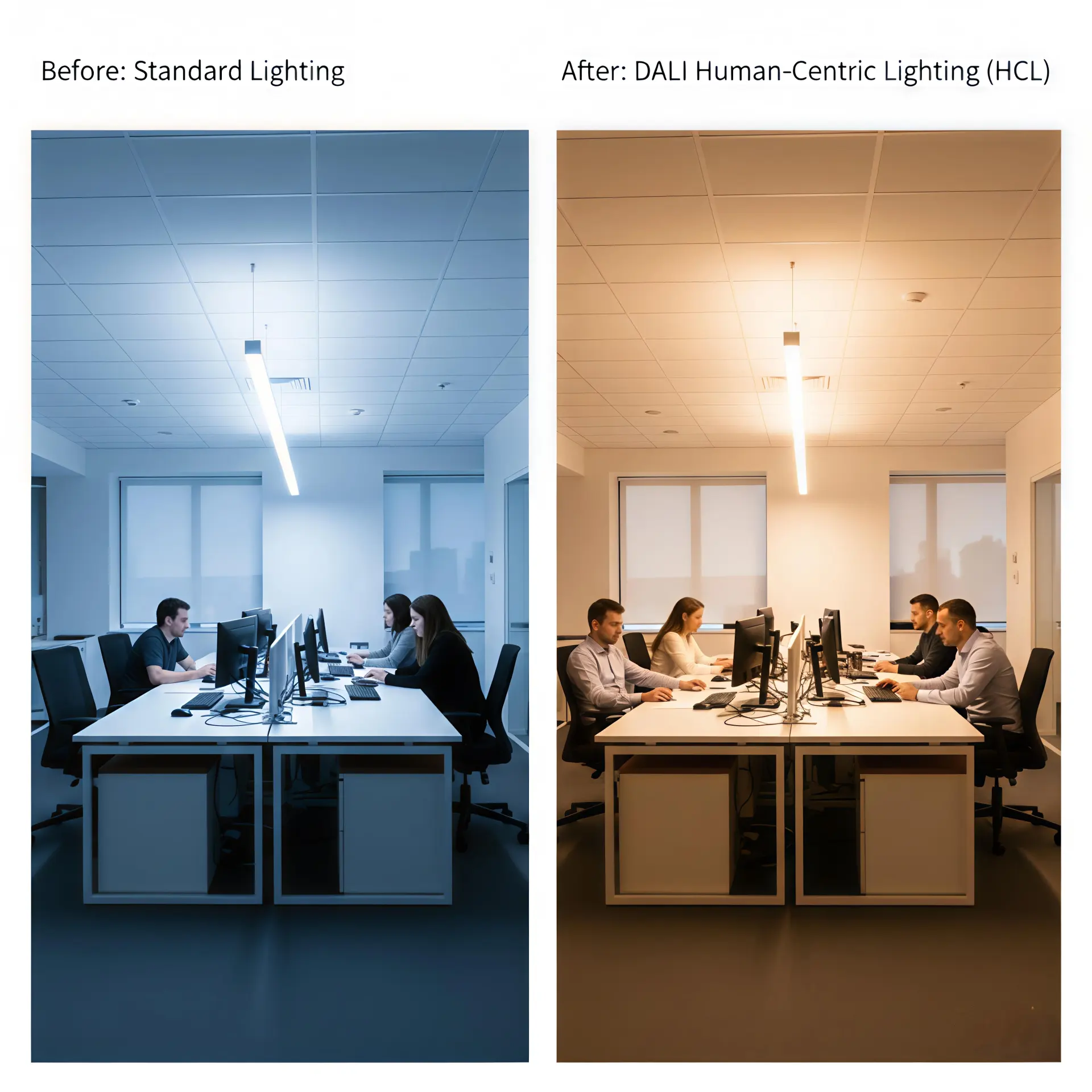
Built on the DALI DT8 standard, modern Human-Centric Lighting systems enable precise Tunable White control, allowing light to behave more like natural daylight. Cooler, brighter light can support focus during working hours, while warmer, lower light levels help create a relaxed atmosphere later in the day.
This alignment with natural visual rhythms is one of the key reasons DALI Human-Centric Lighting delivers superior comfort.
Smooth and Natural Dimming Behavior
DALI supports logarithmic dimming curves and fine control resolution. As a result, brightness changes occur gradually and evenly from the user’s perspective. In many cases, occupants simply feel that the environment is more comfortable—without consciously noticing the adjustment.
Lighting That Responds to Human Activity
DALI-based systems allow lighting to adapt flexibly to time schedules, scenes, and sensor inputs:
- Seamless transitions from circulation lighting to work or display modes
- Gradual dimming when occupancy decreases, rather than sudden switch-off
- Visual emphasis in focal areas without disturbing surrounding zones
By centering lighting behavior on how spaces are actually used, comfort becomes intuitive and consistent.
Coordinated Control Across Multiple Luminaires
In larger spaces, individual fixture dimming often creates uneven brightness and visual strain. DALI enables synchronized control across zones and luminaires, ensuring consistent luminance and reducing visual fatigue.
Typical Applications of DALI Human-Centric Lighting
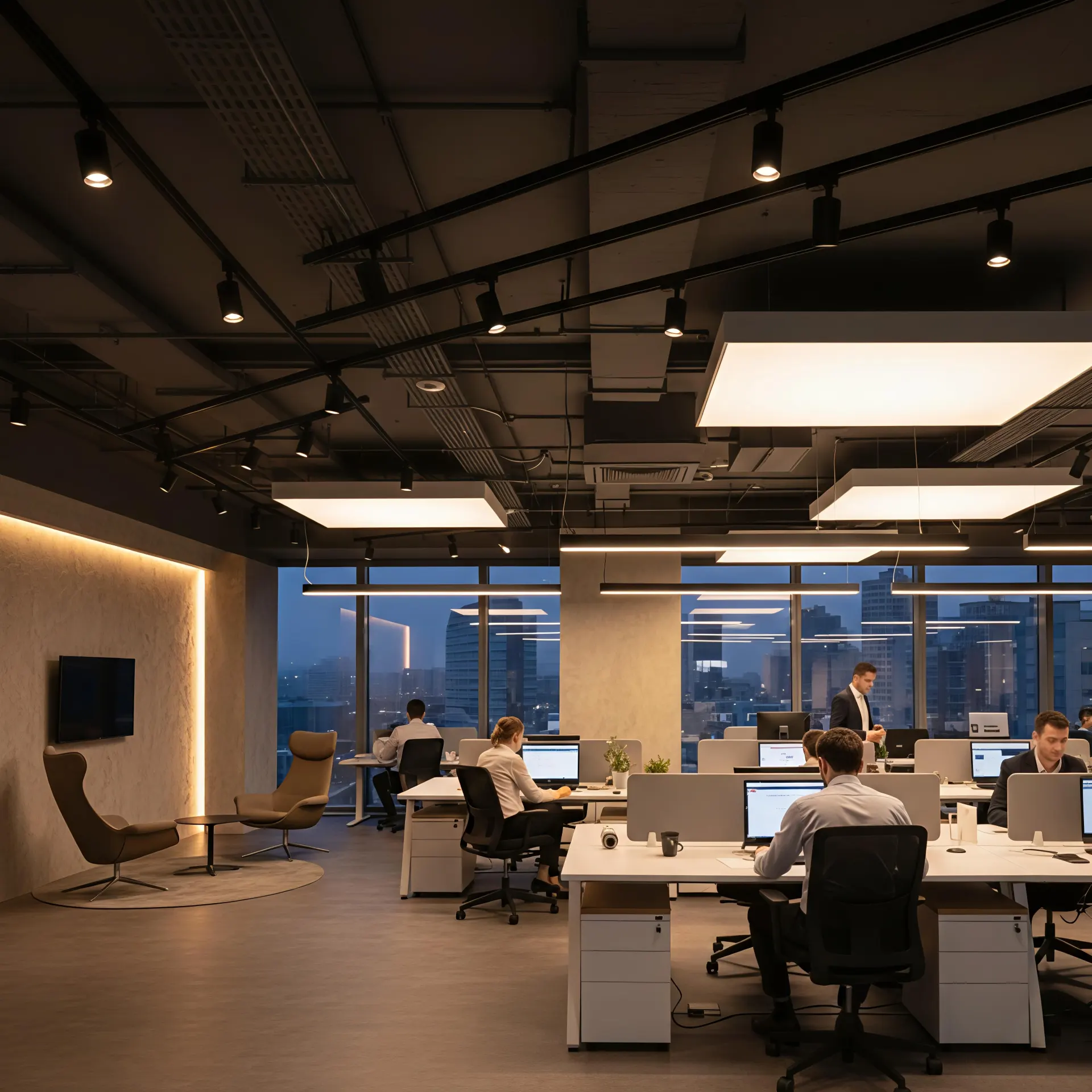
Different environments place different demands on lighting comfort. DALI Human-Centric Lighting adapts well across a wide range of commercial applications.
| Application Area | Lighting Requirement | Human-Centric Benefit |
|---|---|---|
| Retail spaces | Visual focus and guidance | Longer dwell time and enhanced shopping experience |
| Office environments | Stable background lighting | Improved concentration and reduced eye strain |
| Museums & galleries | Controlled contrast and emphasis | Comfortable viewing without distraction |
| Hotels & public areas | Soft transitions and ambience | Relaxed, high-end spatial experience |
Why DALI Is the Ideal Protocol for Human-Centric Lighting
Among various control methods such as 0–10V or PWM, DALI stands out as the preferred protocol for high-end Human-Centric Lighting due to its digital foundation and precision.
Key Technical Advantages of DALI for HCL
| Feature | Benefit for Human-Centric Lighting |
|---|---|
| Logarithmic dimming curve | Uniform visual perception throughout the dimming range |
| DT8 Tunable White control | Consistent color temperature across all luminaires |
| Deep dimming capability (down to 0.1%) | Comfortable low-light environments for premium spaces |
| Digital addressing | Precise, scalable, and flexible lighting control |
These capabilities make DALI especially suitable for long-term commercial projects where comfort, consistency, and future scalability matter.
How DALI Human-Centric Lighting Enhances Overall Space Quality
Lighting quality directly influences how a space feels, regardless of the materials or finishes used.
Visual Comfort and Eye-Friendly Performance
DALI systems eliminate flicker at the control level, resulting in genuinely flicker-free lighting. Combined with soft-start functionality, this reduces eye strain and avoids harsh visual shocks when lights turn on or change state.
Mood, Atmosphere, and Emotional Comfort
With DALI control, lighting becomes an active element of spatial design:
- In offices, it supports focus and productivity
- In retail, it enhances product presentation and purchasing intent
- In hospitality and healthcare, it creates calming, reassuring environments
Light effectively becomes the “soft furnishing” of the space.
Intelligent Interaction and User Control
Thanks to flexible addressing and scene management, users can easily switch between lighting modes—such as meeting, presentation, or relaxation—via wall panels, tablets, or mobile devices. This sense of control adds to the perceived quality and sophistication of the environment.
Conclusion: The Best Human-Centric Lighting Is the One You Don’t Notice
DALI Human-Centric Lighting is not about showcasing technology. Its true success lies in being almost invisible—supporting comfort quietly in the background. When lighting changes no longer interrupt activities, and when light naturally follows how a space is used, lighting fulfills its real purpose.
In the future, high-quality spaces will be judged not only by design or materials, but by whether they provide genuinely comfortable, healthy light. Choosing DALI Human-Centric Lighting means choosing precision, smoothness, and a lighting experience that feels natural, human, and refined.

