



Why Retail Lighting Matters More Than Store Decoration
By Vincent
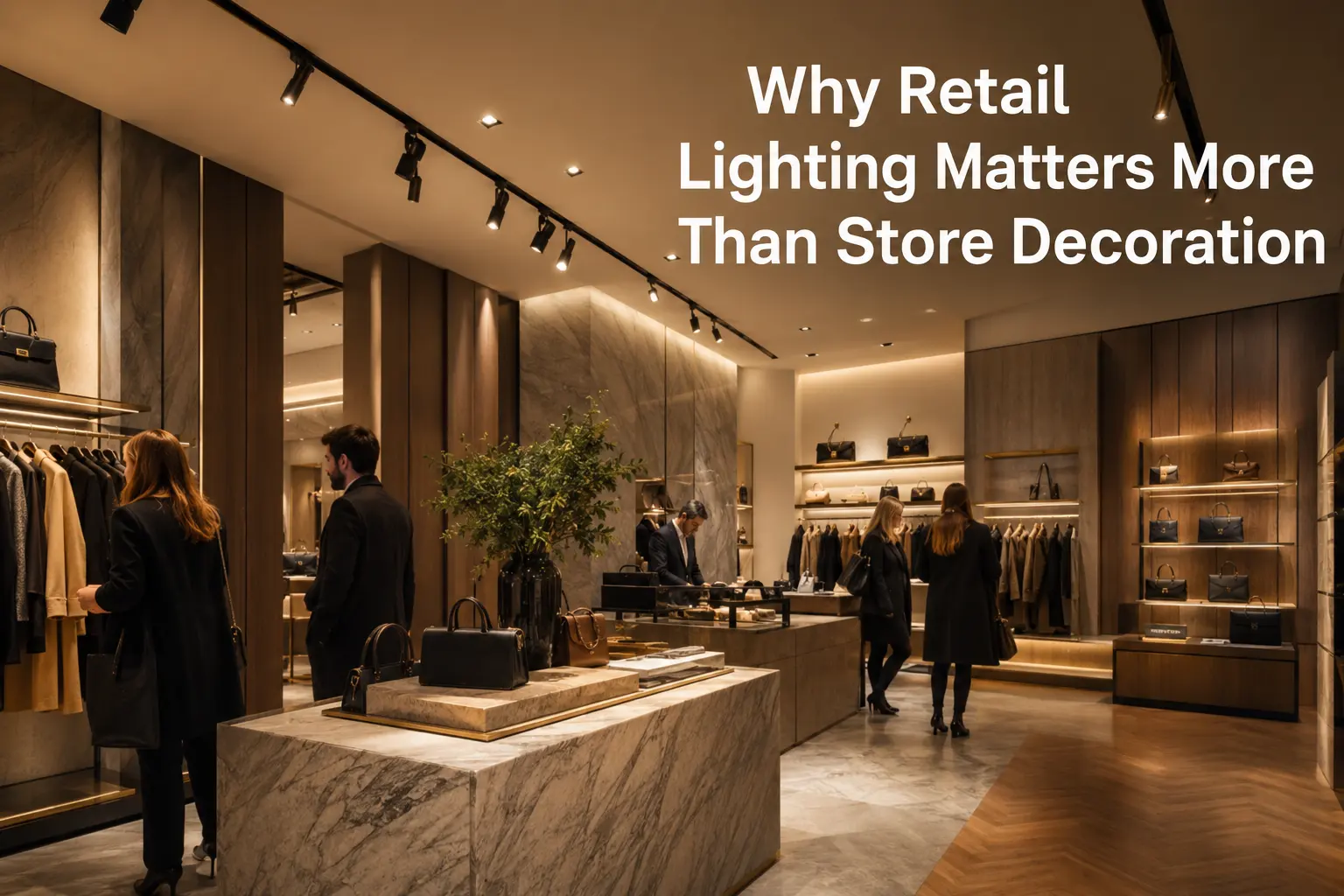
When people ask, “What lighting do retail stores use?”, they are usually thinking about fixtures — track lights, downlights, spotlights, or linear lighting. But in modern retail design, the real question goes much deeper than that. The lighting used in a retail store is not just there to brighten the space. It shapes customer behavior, influences emotions, improves product presentation, and directly affects sales performance.
Many retailers spend heavily on luxury flooring, custom shelving, decorative walls, and expensive materials, only to discover that the store still feels flat or uninspiring after opening. Products look dull, fitting rooms feel uncomfortable, and customers leave without making a purchase. In many cases, the issue is not the decoration at all — it is the lighting.
Top retail brands already understand something many store owners overlook: decoration creates the structure of a space, but lighting creates the experience.
What Lighting Do Retail Stores Use to Create First Impressions?
Customers form an opinion about a store within seconds of walking in. Surprisingly, they rarely notice the expensive materials first. Instead, they react to brightness, contrast, shadows, and atmosphere.
Lighting controls where people look and how they feel.
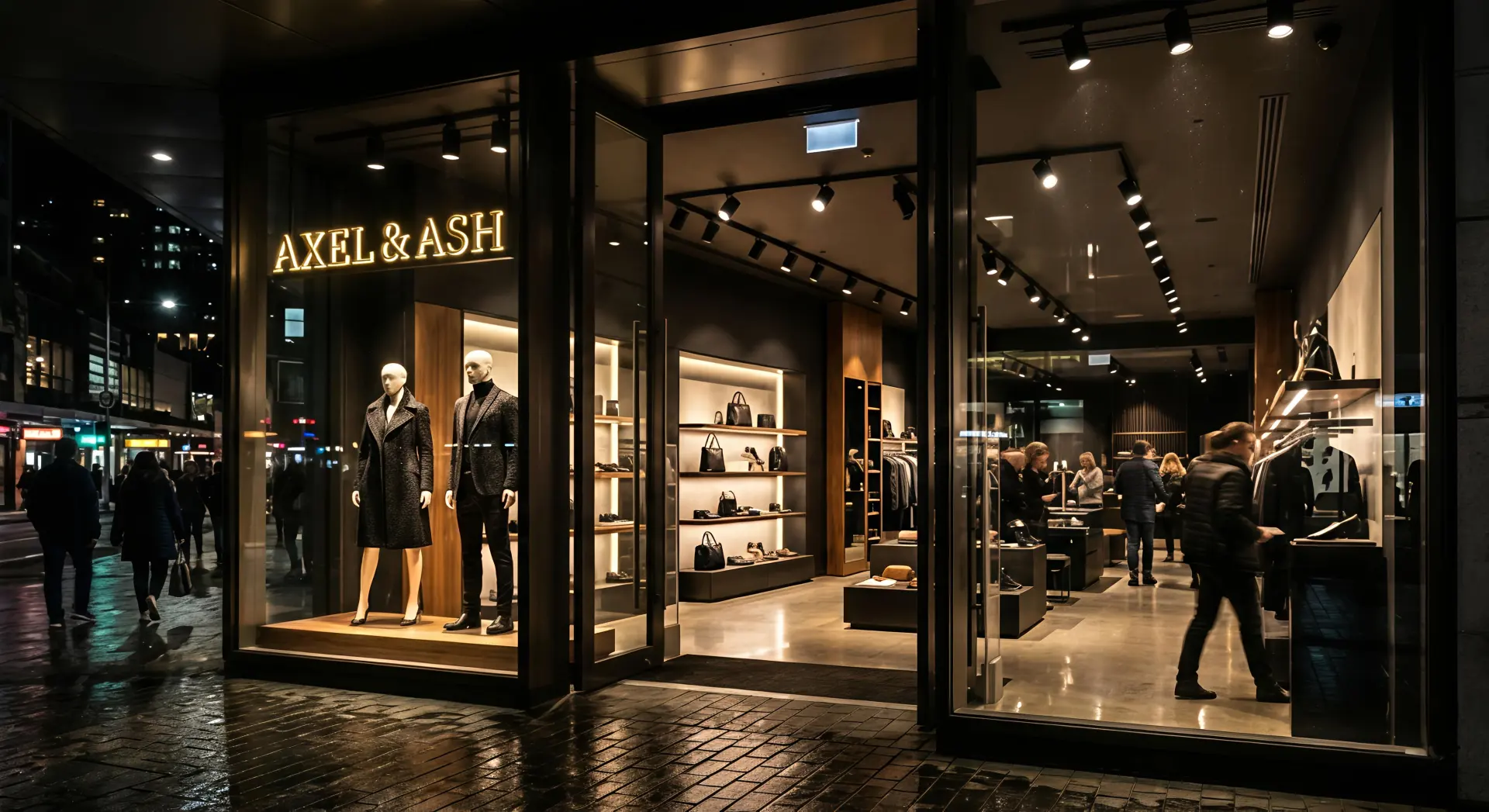
Professional retail lighting designers often use a layered approach that combines:
- Ambient lighting
- Accent lighting
- Decorative lighting
The relationship between ambient and accent lighting is especially important.
In many successful retail environments, the brightness ratio between general lighting and highlighted products is around 1:3. Luxury stores may even use stronger contrast ratios such as 1:5 or higher to create drama and focus.
This is why adjustable gimbal downlights and track spotlights are widely used in fashion stores, jewelry boutiques, and premium retail spaces. They help direct customer attention naturally without using physical barriers.
| Lighting Layer | Main Purpose | Common Fixtures |
|---|---|---|
| Ambient Lighting | Overall brightness and comfort | Recessed downlights, linear lights |
| Accent Lighting | Highlight products and displays | Track spotlights, gimbal lights |
| Decorative Lighting | Enhance atmosphere and branding | Pendant lights, feature lighting |
Retail lighting is not simply functional anymore. It has become part of the customer journey.
For more about layered commercial lighting design, the Illuminating Engineering Society offers useful references at IES Lighting Resources
Which Retail Store Lighting Design Keeps Customers Longer?
One of the biggest differences between average retail stores and premium retail environments is visual comfort.
Many stores focus only on brightness. However, brighter lighting does not automatically create a better shopping experience. In fact, harsh lighting can make customers feel tired much faster.
This is where anti-glare lighting becomes important.
Deep recessed downlights and well-designed optical systems help reduce glare and improve comfort, especially in stores using reflective materials like polished stone, glass, or metal surfaces.
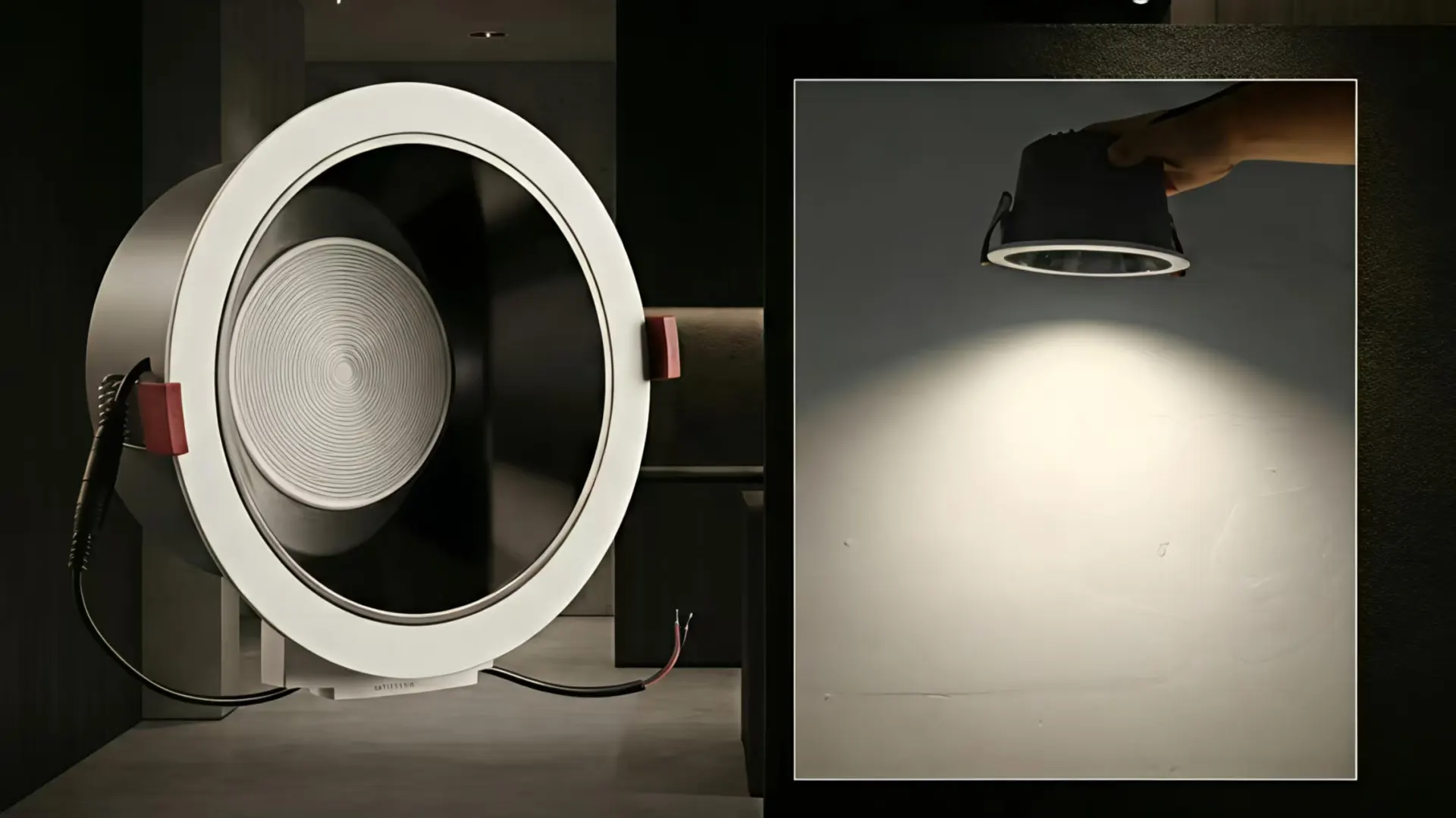
Lighting professionals often evaluate glare using the UGR (Unified Glare Rating) standard.
| UGR Level | Visual Experience | Retail Application |
|---|---|---|
| UGR > 22 | Noticeably harsh and uncomfortable | Poor retail environment |
| UGR 16–19 | Acceptable commercial standard | Supermarkets, general retail |
| UGR < 13 | Premium visual comfort | Luxury retail, jewelry stores |
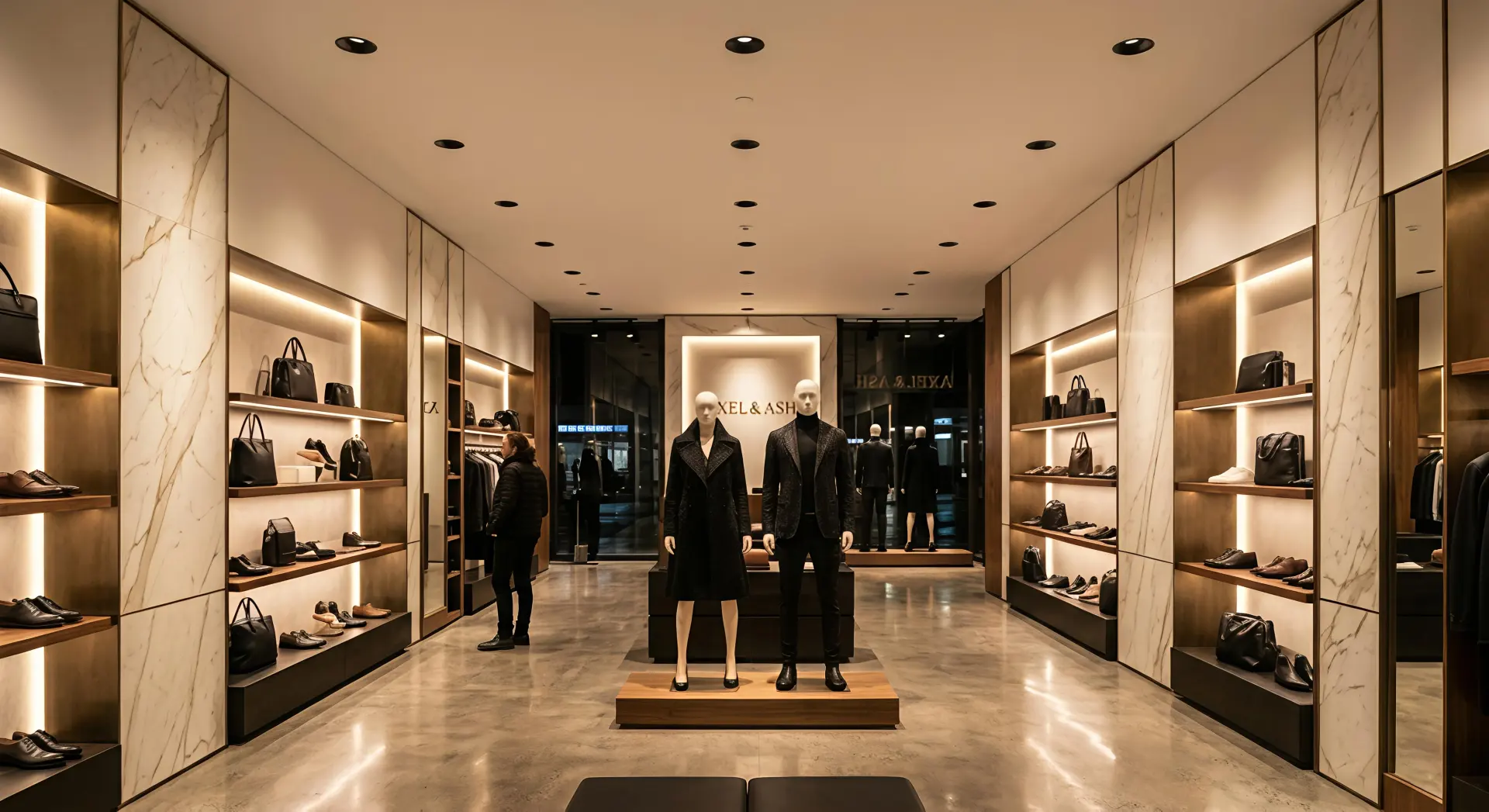
High-end retail brands increasingly prefer deep anti-glare lighting because it creates a softer, more comfortable atmosphere while keeping the ceiling visually clean.
Instead of seeing a bright exposed light source, customers simply experience pleasant illumination.
What Kind of Lighting Do Clothing Stores Use for Better Product Presentation?
Lighting quality has a direct impact on how products look.
A luxury handbag, designer jacket, or premium cosmetic product can lose its appeal completely under poor lighting conditions. Colors appear washed out, textures look flat, and materials lose depth.
This is why CRI (Color Rendering Index) matters so much in retail lighting.
Most standard commercial lighting products have a CRI between 70 and 80. Modern retail environments, especially fashion and beauty stores, increasingly use CRI90 or even CRI97 lighting to achieve more natural color reproduction.
Why does high CRI lighting matter in retail stores?
Because customers make buying decisions based heavily on appearance.
If lighting changes the true color of a product, it damages customer confidence immediately.
This is especially important in:
- Fashion retail
- Cosmetics stores
- Jewelry stores
- Luxury showrooms
- Automotive displays
Many premium brands also combine warm color temperatures around 3000K with high CRI lighting to create a richer and more inviting atmosphere.
The International WELL Building Institute also discusses how lighting affects human comfort and perception at WELL Lighting Concepts
What Lighting Fixtures Are Commonly Used in Modern Retail Stores?
Different retail spaces use different combinations of lighting fixtures depending on the brand image and customer experience goals.
Recessed Downlights
Recessed downlights are commonly used for ambient lighting.
Modern commercial downlights often feature:
- Deep anti-glare design
- High CRI performance
- Narrow or wide beam options
- Minimalist architectural appearance
They are especially popular in luxury retail and modern shopping malls.
Track Lighting
Track lighting remains one of the most flexible retail lighting solutions.
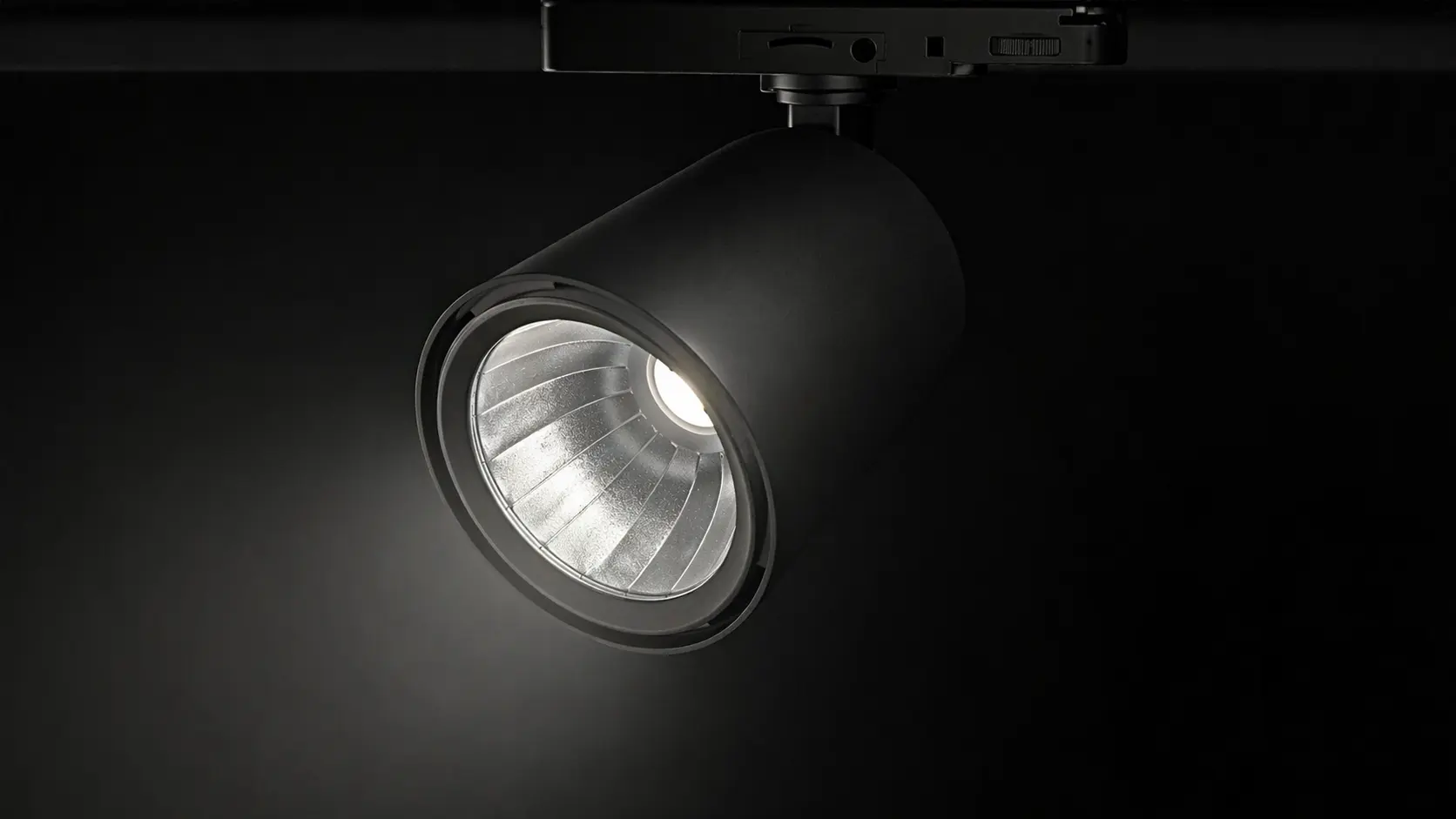
Why do retail stores use track lighting?
Because displays change constantly.
Track spotlights can be repositioned and adjusted easily whenever store layouts or seasonal products change. This makes them ideal for fashion stores, pop-up retail spaces, and product-focused environments.
Linear Lighting
Linear lighting has become increasingly popular in minimalist retail design.
It provides clean and continuous illumination while supporting modern architectural aesthetics.
Linear fixtures are widely used in:
- Shopping malls
- Showrooms
- Technology stores
- Contemporary fashion retail
What Lighting Do Luxury Retail Stores Prefer?
Luxury retail lighting is very different from standard commercial lighting.
Instead of making everything equally bright, luxury brands focus on:
- Contrast
- Shadow depth
- Texture
- Mood
- Visual comfort
The goal is not simply visibility. The goal is emotional experience.
This is why luxury stores often combine:
- Warm 3000K lighting
- Narrow beam accent lighting
- Deep anti-glare downlights
- Hidden linear lighting
- High CRI fixtures
The result feels calm, elegant, and premium without appearing overly bright.
What Lighting Do Retail Stores Use in Fitting Rooms?
Fitting room lighting is one of the most overlooked parts of retail design.
Many stores invest heavily in stylish fitting room decoration but install a single ceiling downlight directly above the customer. This creates harsh shadows under the eyes and makes skin tones look unhealthy.
Why do fitting room lights make people look tired?
Because direct overhead lighting exaggerates facial shadows.
Better fitting room lighting usually includes:
- Soft side lighting
- Diffused linear lighting
- High CRI illumination
- Reduced glare
When customers feel confident in the fitting room mirror, they are far more likely to complete a purchase.
How Smart Retail Lighting Is Changing Commercial Spaces
Retail lighting is becoming increasingly intelligent.
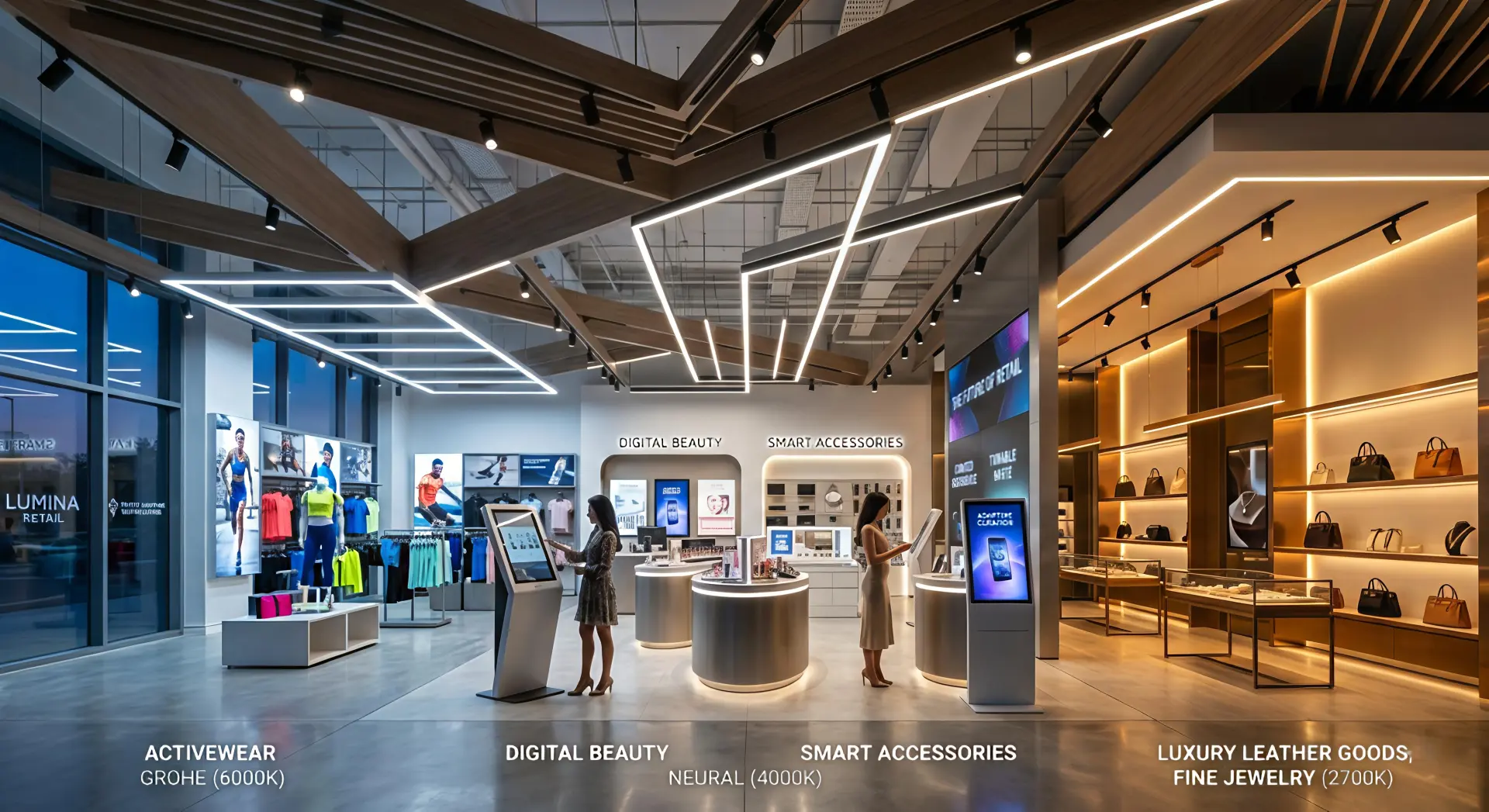
Modern stores are adopting systems like:
- DALI-2
- DT8
- Tunable White lighting
These technologies allow retailers to adjust brightness and color temperature throughout the day.
For example:
- Cooler light during busy daytime hours
- Warmer light in the evening
- Different scenes for promotions or events
Smart lighting not only improves customer experience but also reduces energy consumption and increases operational flexibility.
Final Thoughts on Retail Lighting Design
Many retailers still believe expensive decoration is the key to creating a premium shopping environment. But experienced retail designers understand that lighting has a much bigger impact on how customers experience a space.
Decoration may attract attention initially, but lighting influences:
- Customer comfort
- Product appearance
- Store atmosphere
- Shopping behavior
- Sales conversion
In modern retail, good lighting is no longer just technical infrastructure. It has become one of the most powerful tools for shaping brand perception and improving customer experience.
Because in the end, decoration catches the eye — but lighting sells the product.

