



Dali Hotel Lighting Solutions: How to Upgrade Your Hotel Lighting System
By Vincent
Introduction
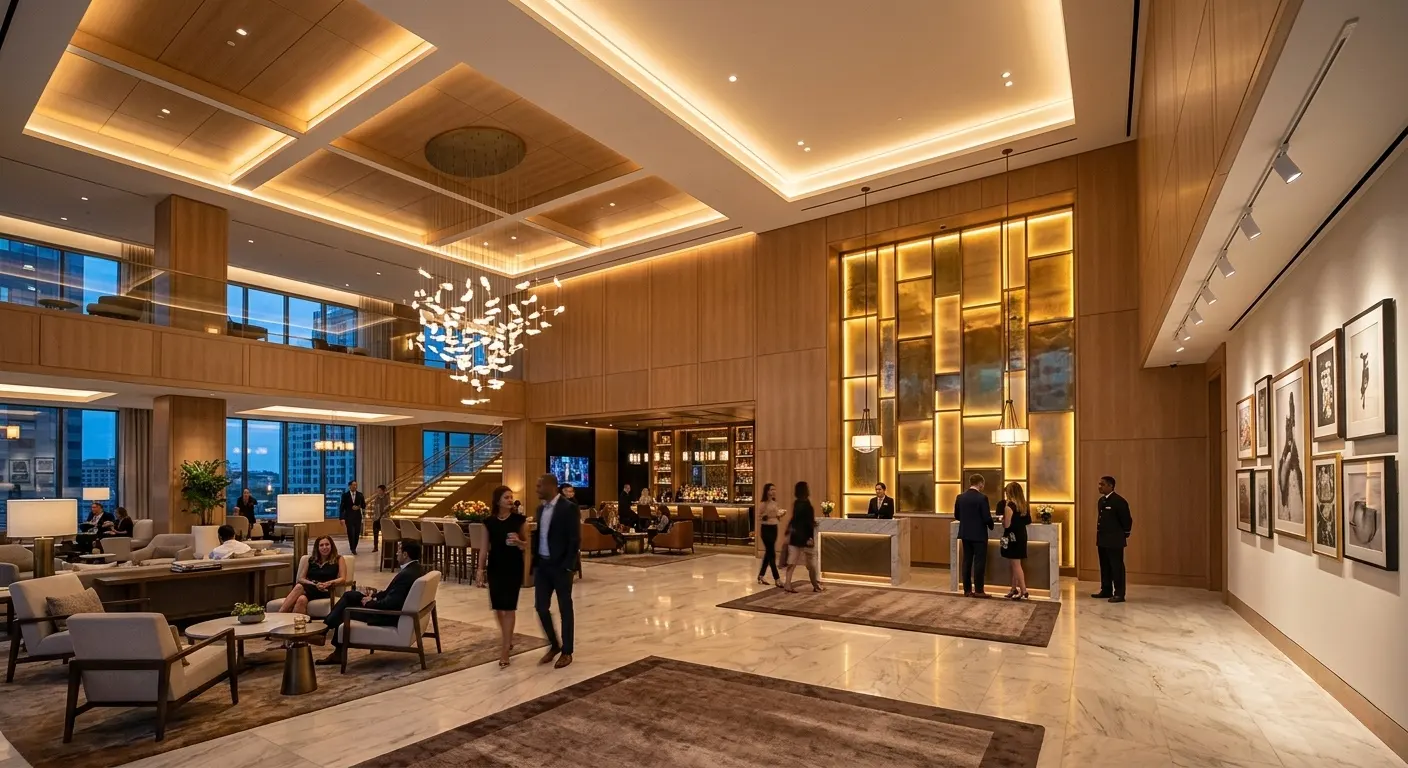
In today’s highly competitive hospitality industry, lighting is no longer just about illumination—it has become the “second soul” of a hotel. It plays a vital role in shaping ambiance, enhancing guest experience, and improving operational efficiency. DALI Hotel Lighting Solutions are increasingly recognized as a practical way to modernize outdated lighting systems and meet the expectations of today’s experience-driven travelers.
Many hotels still rely on traditional lighting systems, which often result in high energy consumption, limited control, and inconsistent guest experiences. According to the China Hotel Industry Energy Consumption Report (2023), lighting accounts for 18%–25% of total electricity usage in mid-to-high-end hotels. This is where digital lighting control becomes essential.
With flexible dimming, precise control, and intelligent automation, DALI-based systems offer a balanced approach to energy savings and user comfort. For more about the standard behind DALI, you can refer to the International Electrotechnical Commission (https://www.iec.ch).
What Is Dali Lighting and Why It Fits Modern Hotels?
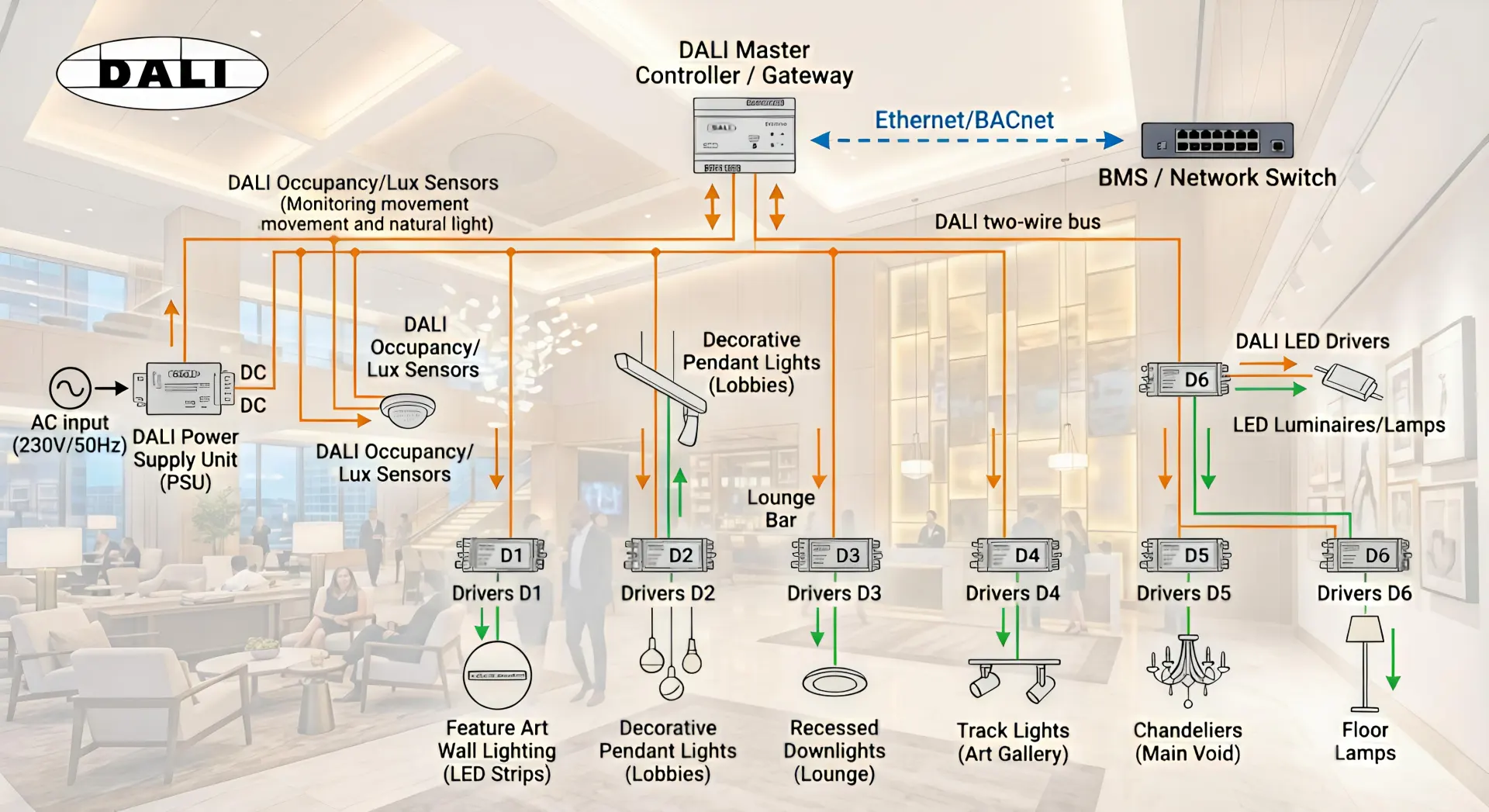
DALI (Digital Addressable Lighting Interface) is an open lighting control protocol based on IEC 62386. It allows each luminaire to be individually addressed and controlled through a two-way communication system.
Compared to traditional 0-10V or relay-based control, DALI provides a more refined and scalable solution. A typical system includes:
- DALI drivers
- Controllers or gateways
- Sensors (motion and daylight)
- User interfaces (wall panels or smart systems)
Key Advantages of Dali for Hotel Lighting Upgrades
- Smooth and precise dimming (0.1%–100%) for better visual comfort
- Two-way communication for real-time fault detection
- Strong compatibility, especially with DALI-2 certified devices
- Energy-efficient operation through automation and sensors
- Flexible scene control for different hotel areas
For further technical insight into DALI protocols, you can also explore the DALI Alliance (https://www.dali-alliance.org).
Challenges of Traditional Hotel Lighting Systems
Most legacy hotel lighting systems are based on simple switching or analog dimming. While functional, they come with several limitations.
1. High Energy Consumption
Lighting often remains on even in unoccupied spaces. Public areas like corridors and lobbies are typically over-lit, leading to unnecessary energy waste.
2. Limited Control Flexibility
Traditional systems cannot support scene-based lighting such as “welcome mode” or “sleep mode,” making them unsuitable for modern hotel operations.
3. Inconsistent Guest Experience
Uneven brightness, poor color temperature selection, and glare can negatively impact guest satisfaction.
4. Difficult Maintenance
Without centralized monitoring, maintenance teams must manually inspect faults, which increases downtime and labor costs.
Core Components of Dali Hotel Lighting Systems
Upgrading to DALI Hotel Lighting Solutions is not just about replacing fixtures—it involves building a complete control ecosystem.
Hardware Components
- DALI Controller / Gateway – central system control
- DALI Drivers – enable dimming and communication
- Sensors – motion and daylight detection
- Control Panels – user interaction interfaces
Software Platform
The software layer enables:
- Scene programming
- Energy monitoring
- Remote control and diagnostics
System Architecture
DALI supports flexible topologies such as line, star, or tree structures. This makes it suitable for both new hotel projects and retrofit applications without major rewiring.
Step-by-Step Guide to Upgrading to Dali Hotel Lighting
A structured approach ensures a smooth transition to DALI Hotel Lighting Solutions.
Step 1: Assess Existing Systems
Evaluate current fixtures, wiring, and control methods.
Step 2: Define Lighting Zones and Requirements
Differentiate between guest rooms, public areas, and service spaces.
Step 3: Select Compatible DALI Components
Choose DALI-2 certified drivers, controllers, and sensors.
Step 4: System Integration and Programming
Integrate with BMS or PMS systems and configure lighting scenes.
Step 5: Installation and Commissioning
Test addressing, dimming performance, and scene transitions.
Step 6: Training and Operation
Train staff to manage and maintain the system efficiently.
Applications of Dali in Different Hotel Areas
Guest Rooms
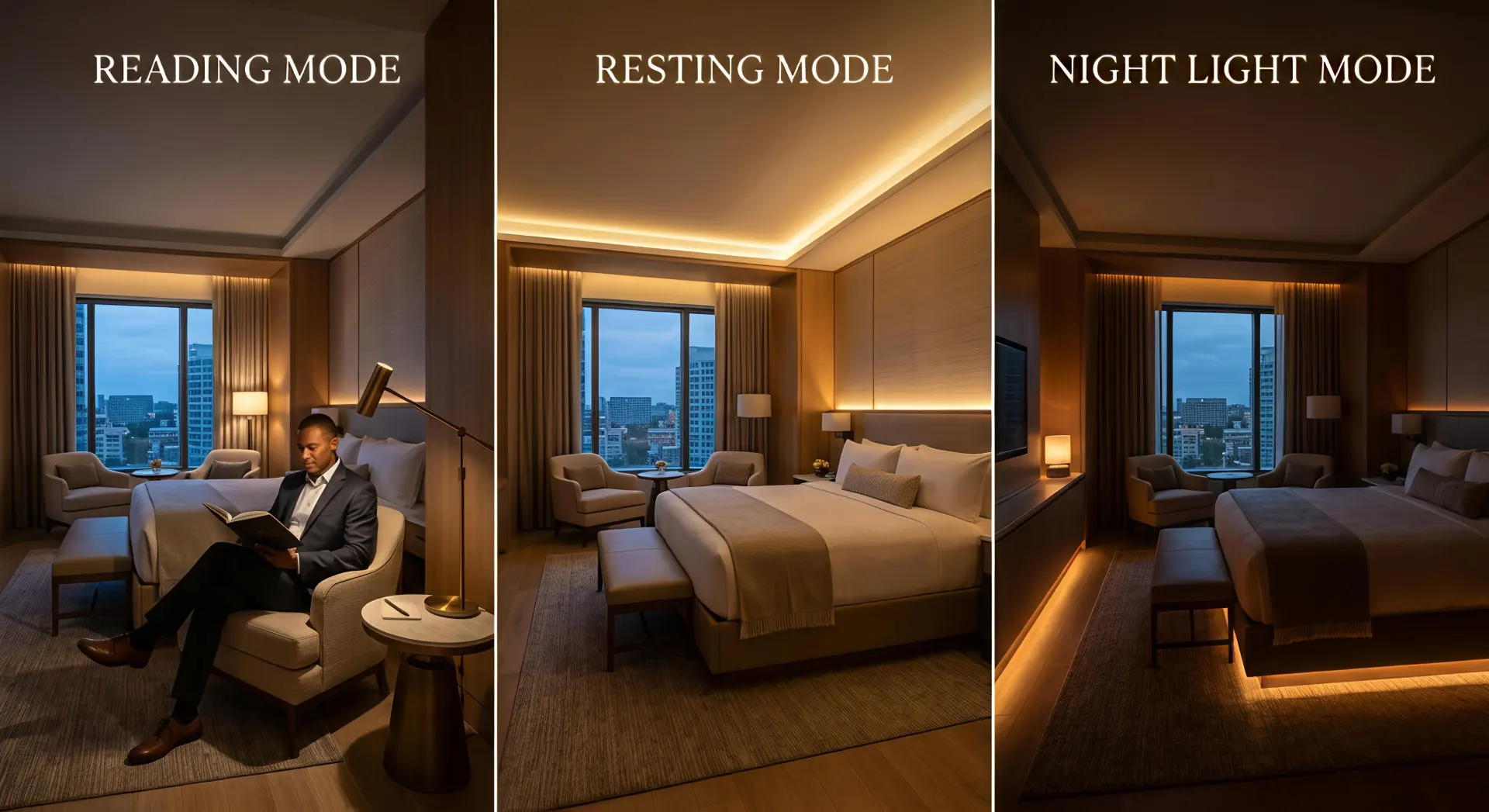
Scene-based lighting improves comfort:
- Reading mode (focused light)
- Relax mode (warm ambient light)
- Night mode (low-level guidance lighting)
Lobby Areas
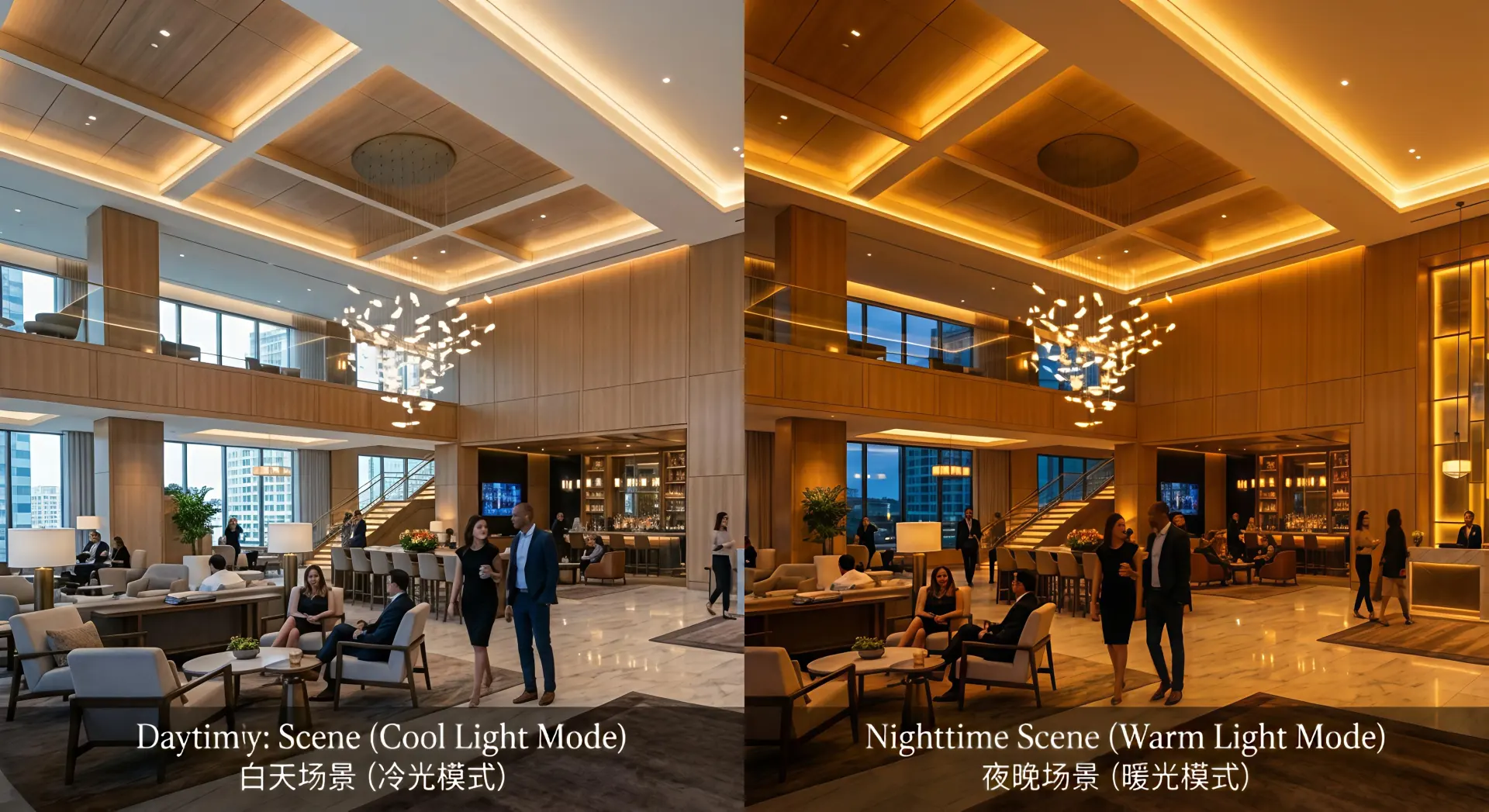
Dynamic lighting adapts to time and events, enhancing brand image.
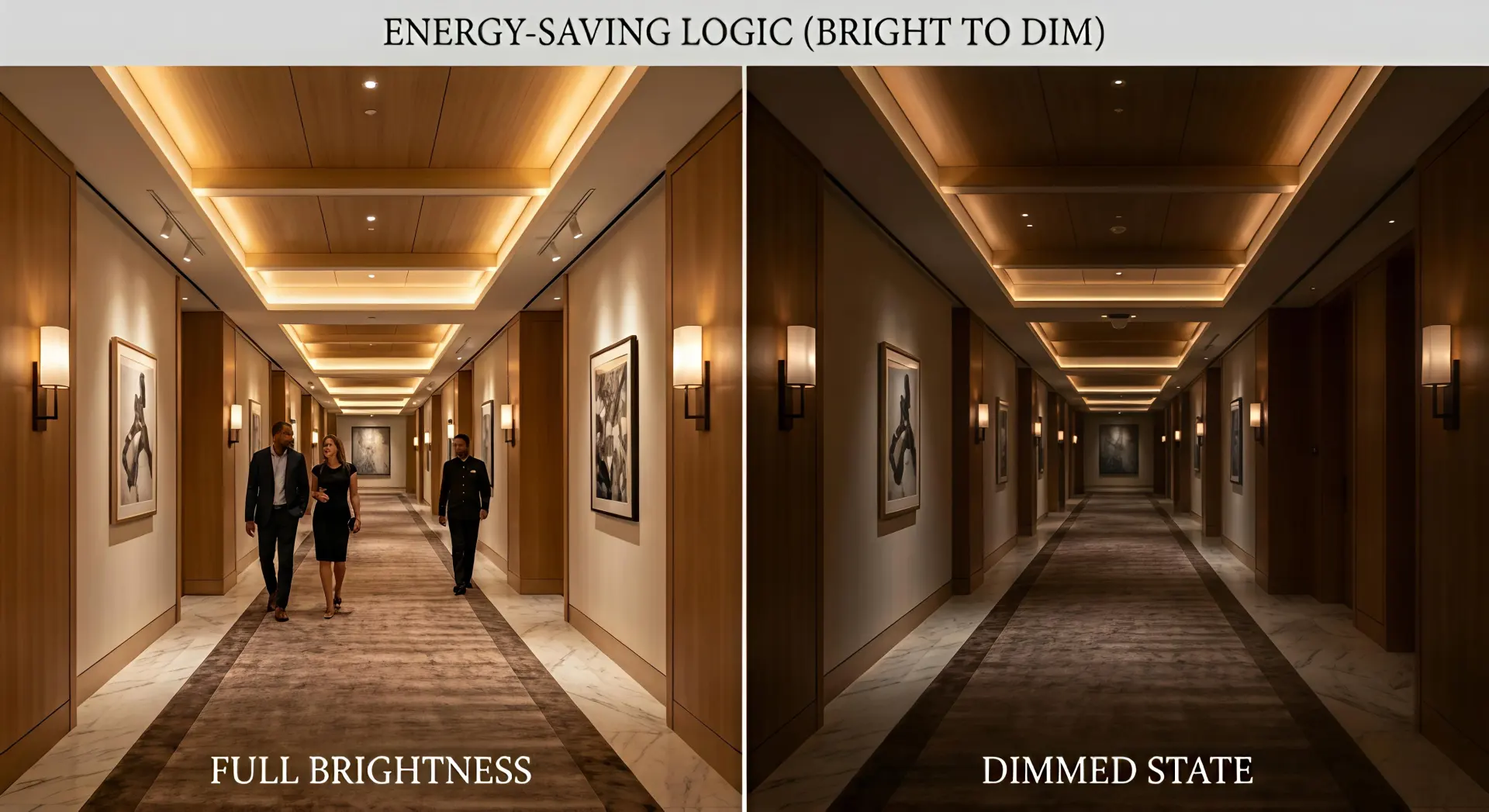
Corridors
Motion sensors enable “light-on-demand,” reducing energy usage by up to 60%.
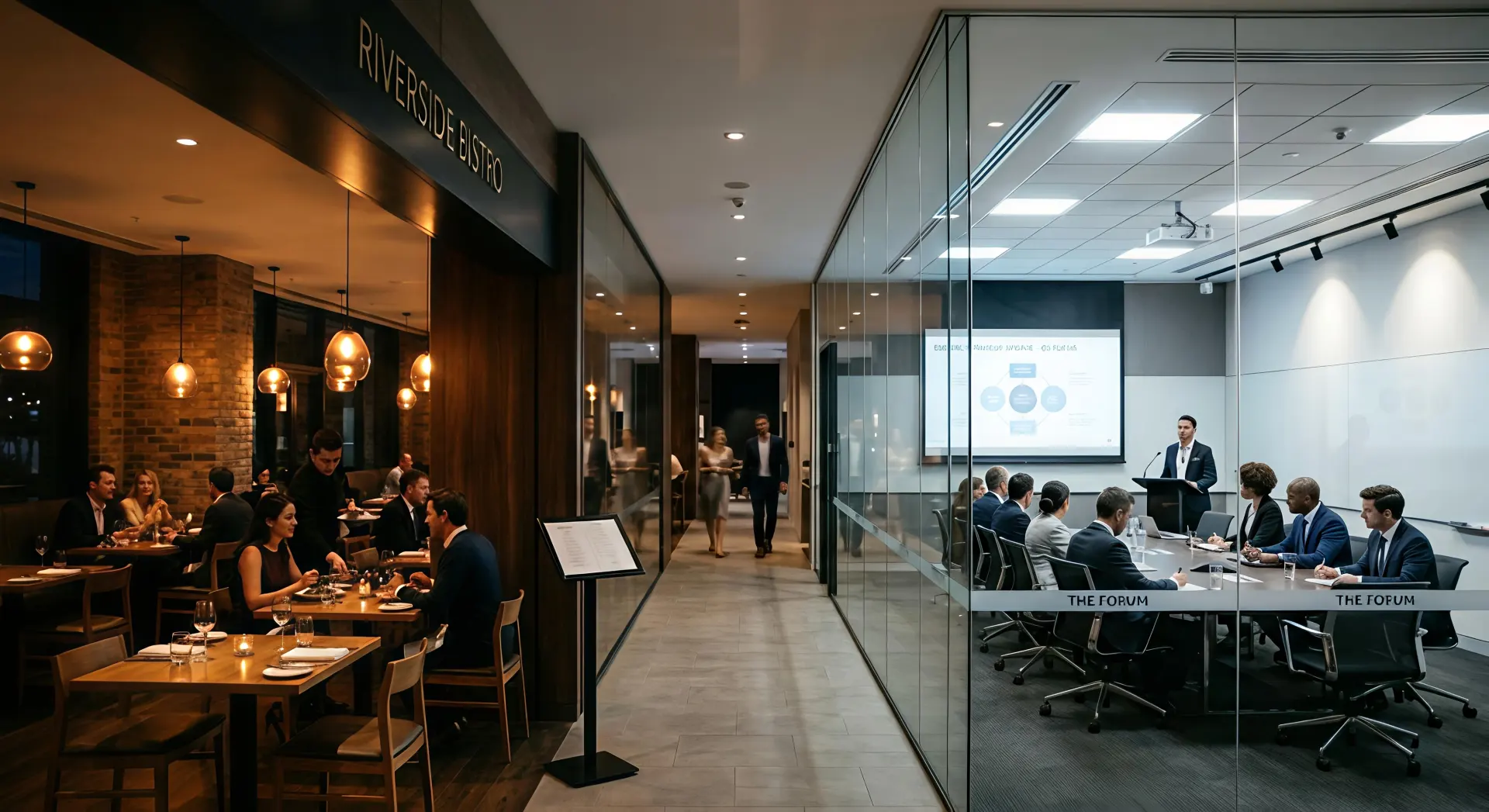
Restaurants and Meeting Rooms
Flexible lighting supports dining, meetings, and events with different atmospheres.
Dali vs Traditional Lighting Systems
| Comparison Item | DALI Lighting System | Traditional Lighting |
|---|---|---|
| Control Method | Digital, addressable | Analog or switching |
| Flexibility | High (scene & group control) | Limited |
| Energy Efficiency | High (30–60% savings) | Low |
| Maintenance | Easy with fault feedback | Manual inspection |
| User Experience | Comfortable and adaptive | Basic and rigid |
Key Benefits of Dali Hotel Lighting Solutions
Implementing DALI Hotel Lighting Solutions brings both operational and experiential advantages:
- Reduced energy costs through smart dimming and automation
- Improved guest satisfaction with personalized lighting scenes
- Simplified maintenance with centralized monitoring
- Future scalability for smart hotel upgrades
How to Choose the Right Dali Lighting Supplier
When selecting a partner for your lighting upgrade, consider:
- Proven experience in hotel lighting projects
- Full compatibility with DALI-2 standards
- Customization capabilities
- Strong technical support and after-sales service
Case Study and Final Thoughts
A five-star hotel with nearly 300 rooms upgraded its lighting system using DALI Hotel Lighting Solutions. After implementation:
- Energy consumption dropped by 60%
- Guest satisfaction significantly improved
- Maintenance efficiency increased by 80%
This demonstrates how digital lighting control can transform both operations and guest experience.
Conclusion
As hotels continue to evolve toward smarter and more sustainable operations, upgrading lighting systems is no longer optional. DALI Hotel Lighting Solutions offer a practical and future-ready approach, combining energy efficiency, flexibility, and enhanced user experience.
Whether for new construction or retrofit projects, adopting a DALI-based system can significantly improve both performance and brand value—helping hotels stay competitive in a demanding market.

