



Museum Lights for Paintings: How Museums and Galleries Choose the Right Artwork Lighting
By Vincent
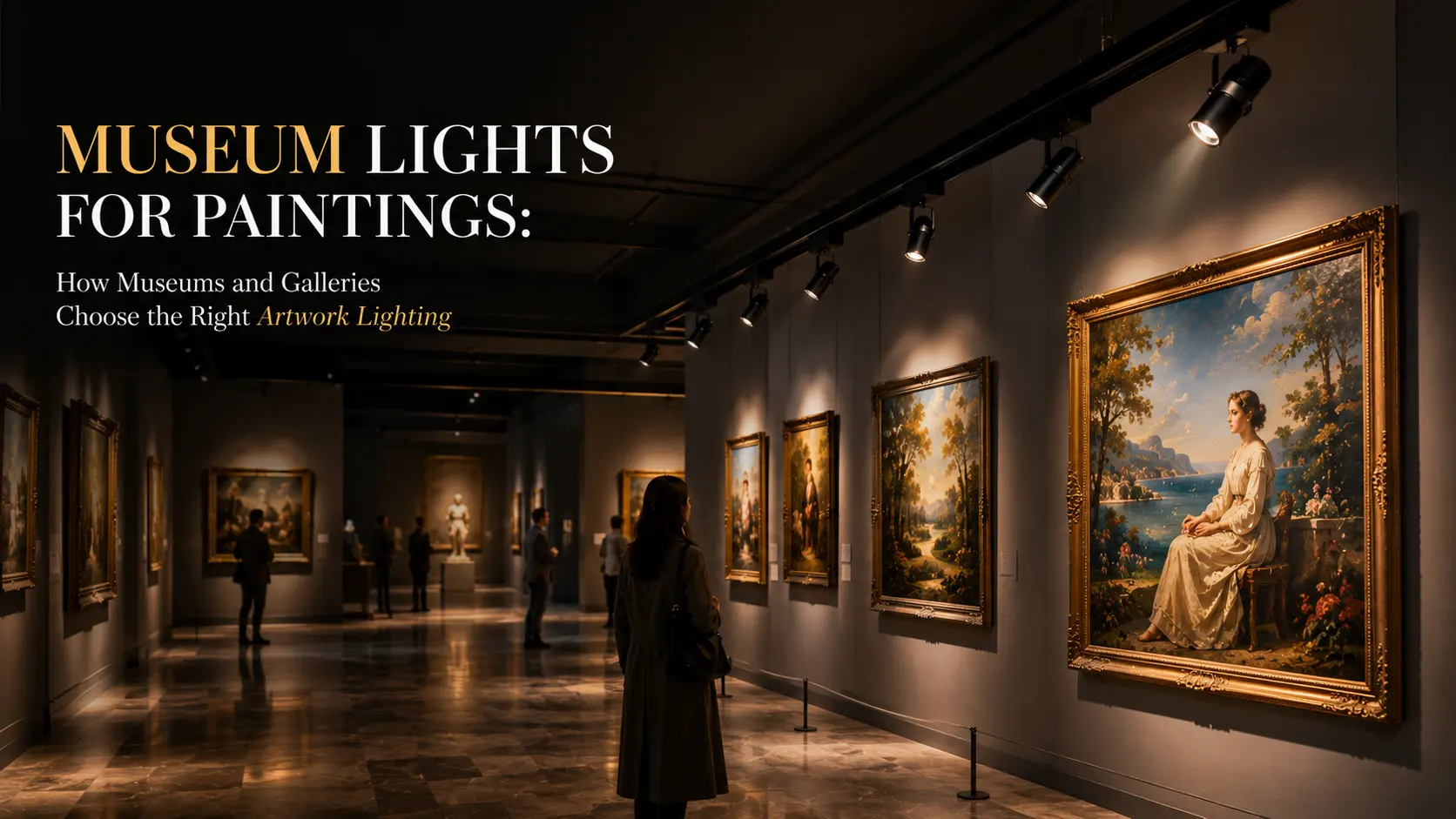
When people think about great art, they usually focus on the masterpiece itself. Yet even the most valuable painting can lose its visual impact under poor lighting. In fact, museum lights for paintings play a crucial role in how colors, textures, and fine details are perceived. Whether you’re designing a museum exhibition, managing an art gallery, or displaying a private collection, choosing the right artwork lighting can make the difference between an ordinary display and an unforgettable viewing experience.
Why Artwork Lighting Matters More Than Most People Realize
Professional lighting does far more than illuminate a canvas. The right lighting system helps preserve artwork, enhances visual comfort, and reveals the artist’s original intent.
High-CRI Lighting for Accurate Color Reproduction
One of the most important requirements in art gallery lighting is color accuracy.
Standard commercial fixtures often have a Color Rendering Index (CRI) around 80, which can distort reds, blues, and subtle color transitions. Museums typically specify CRI 95+ lighting to ensure visitors see colors as close as possible to the artist’s original palette.
Protecting Paintings from Light Damage
Many artworks, especially watercolors, historical documents, and older oil paintings, are highly sensitive to light exposure.
Traditional light sources can emit ultraviolet (UV) radiation and excessive heat, accelerating fading and material deterioration. Modern LED technology eliminates these risks by providing UV-free illumination and significantly lower heat output.
For additional guidance on conservation standards, the American Alliance of Museums provides useful resources:
https://www.aam-us.org
Creating a Better Viewing Experience
Lighting should guide the viewer’s attention without creating glare or distractions.
A well-designed exhibition combines brightness, contrast, and beam control to ensure visitors focus on the artwork rather than the lighting fixture itself.
How Museums Illuminate Artwork in Professional Exhibitions
Many people ask:
“How do museums light artwork?”
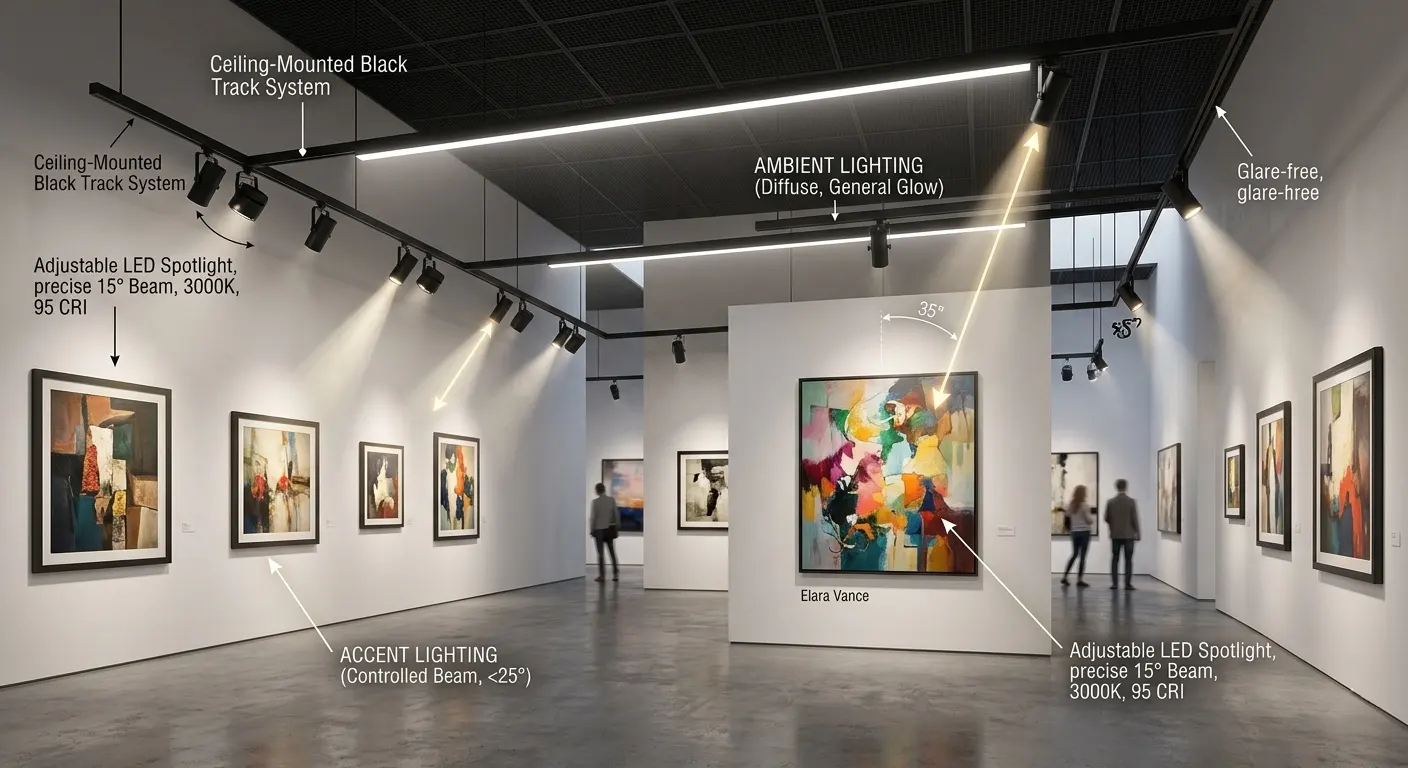
The answer usually involves a layered lighting strategy.
Ambient Lighting for Overall Visibility
Ambient lighting provides a comfortable level of illumination throughout the exhibition space.
It establishes the visual foundation while preventing the room from feeling dark or enclosed.
Accent Lighting for Paintings and Artwork
In museum environments, accent lighting is often the primary tool for highlighting individual works.
This is why museum lighting is frequently associated with professional track lighting systems capable of precise aiming and beam control.
Controlled Beam Lighting for Art Displays
Unlike general retail lighting, museum-grade illumination requires accurate beam placement.
The goal is simple:
- Light the artwork
- Avoid lighting adjacent walls
- Minimize glare
- Reduce visual distractions
What Types of Gallery Lighting Fixtures Do Museums Use?
Today’s museums and galleries rely heavily on LED technology due to its flexibility and conservation benefits.
LED Track Lighting for Artwork Displays
Track lighting remains the most widely used solution for exhibitions because fixtures can be repositioned as displays change.
Benefits include:
| Advantage | Why It Matters |
|---|---|
| Flexible Positioning | Easy to adapt to new exhibitions |
| Adjustable Aiming | Precise focus on artwork |
| Energy Efficiency | Lower operating costs |
| Reduced Heat Output | Better artwork protection |
Framing Projectors for Precision Art Lighting
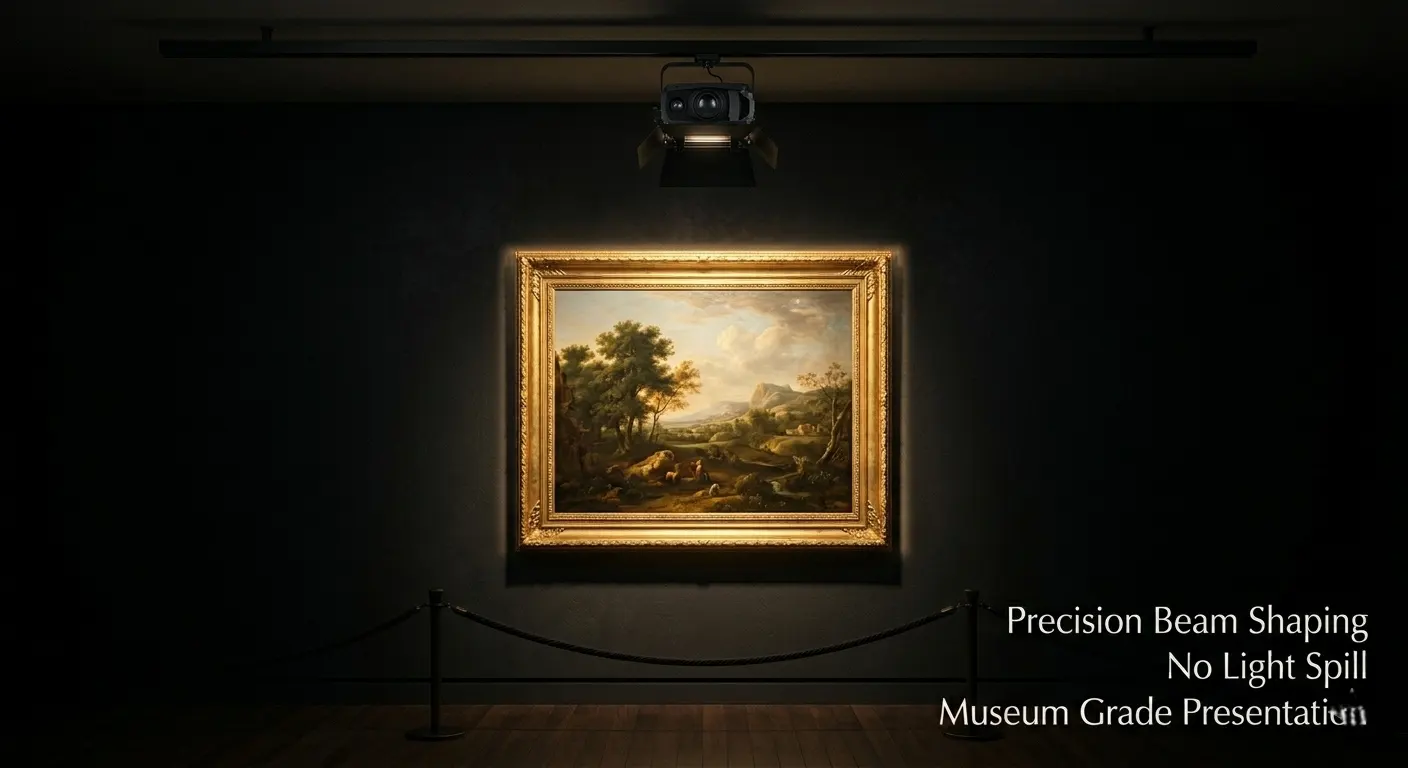
For premium installations, museums often use framing projectors, also known as cut-off projectors.
These fixtures shape the light beam so it precisely matches the dimensions of the artwork.
Wall Washers for Exhibition Spaces
Wall washers create uniform illumination across large surfaces and are often combined with accent lighting systems.
Choosing the Best Color Temperature for Fine Art Lighting
One of the most common questions among gallery owners is:
Should I choose 3000K, 4000K, or 6500K?
3000K Lighting for Classical Paintings
Warm white light enhances:
- Oil paintings
- Historical artwork
- Traditional wood-framed pieces
It creates a welcoming and sophisticated atmosphere.
4000K Lighting for Contemporary Art
Neutral white light is often preferred for:
- Modern paintings
- Photography exhibitions
- Contemporary galleries
It delivers a cleaner and more modern appearance.
Why 6500K Is Rarely Used in Museums
Although 6500K appears brighter, it often introduces an overly cool visual effect that can diminish the emotional impact of artwork.
Most museums prefer color temperatures between 3000K and 4000K.
| Artwork Type | Recommended Color Temperature |
| Classical Oil Paintings | 3000K |
| Watercolor Art | 3000K–3500K |
| Contemporary Paintings | 3500K–4000K |
| Photography Exhibitions | 4000K |
| Historical Artifacts | 3000K |
Common Challenges in Museum Lighting Design
Professional exhibition spaces face several recurring challenges.
Lighting Paintings of Different Sizes
A small portrait may require a narrow beam angle, while a large canvas demands broader coverage.
Adapting to Changing Exhibitions
Museums regularly rotate collections and host temporary exhibitions, making flexibility essential.
Controlling Glare on Artwork
Glare can significantly reduce viewing comfort, especially on varnished oil paintings.
Preventing Light Spill
Uncontrolled light can distract visitors and negatively affect neighboring displays.
Adjustable Zoom Track Lighting for Museum and Gallery Applications
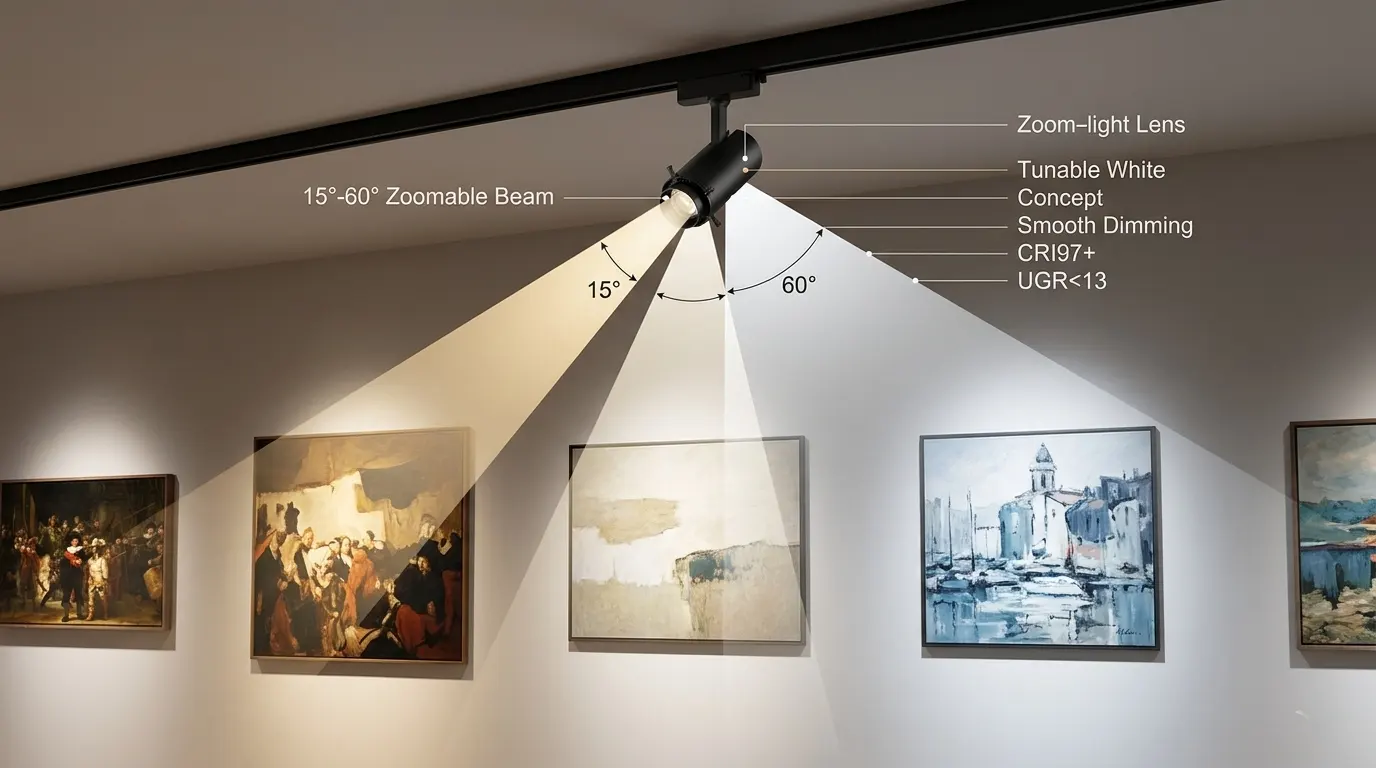
To address these challenges, many institutions are turning to advanced zoomable track lighting for artwork.
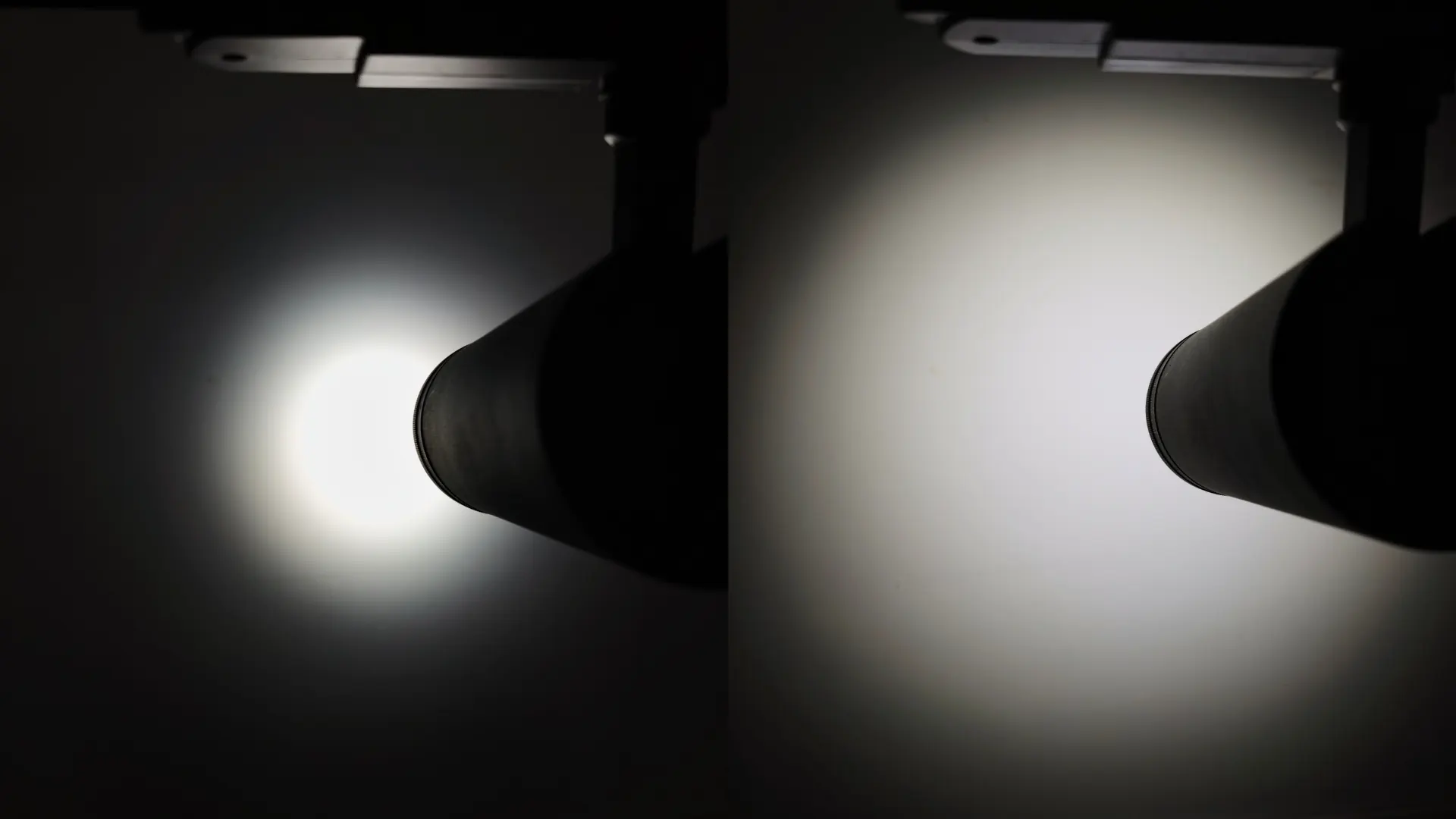
Flexible Beam Angles from 15° to 60°
Instead of changing lenses, curators can simply adjust the beam angle to suit different artwork sizes.
Applications include:
- Small paintings
- Medium-sized framed artwork
- Large exhibition pieces
- Temporary gallery installations
Tunable White Technology
A tunable white system allows lighting designers to switch between warm and neutral color temperatures depending on the exhibition requirements.
Smooth Dimming for Professional Exhibitions
Fine dimming control makes it easier to create visual hierarchy and comply with conservation guidelines.
Museum-Grade Light Quality
Key specifications include:
- CRI 97+
- R9 > 90
- Flicker-free performance
- Low glare (UGR < 13)
These characteristics are commonly associated with professional museum-grade track lighting.
Framing Projector Lighting for High-End Art Displays
For galleries seeking the highest level of visual precision, framing projectors offer a unique solution.
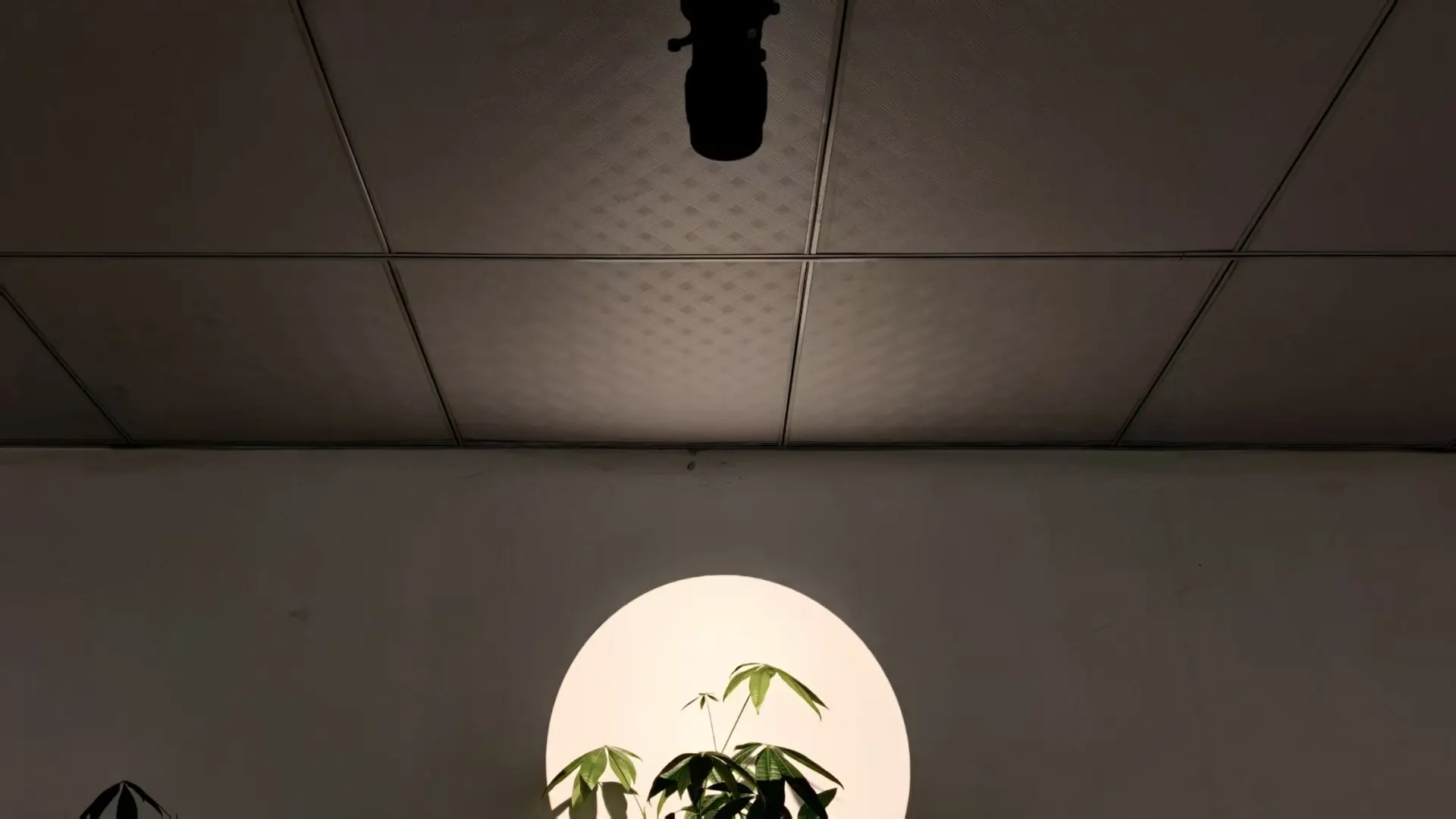
Precisely Shaping the Light Beam
Unlike traditional spotlights that create circular light patterns, framing projectors allow the beam to be shaped into:
- Rectangles
- Squares
- Custom geometries
Eliminating Light Spill Around Paintings
The beam can be adjusted to align closely with the frame, keeping surrounding walls in shadow.
Creating the “Illuminated from Within” Effect
One of the most desirable outcomes in exhibition lighting is making the artwork appear as though it is glowing from within.
This technique is frequently used in major museums, auction houses, and luxury gallery environments.
For additional information on lighting quality and visual comfort, visit:
https://www.ies.org
Professional Installation Tips for Museum-Style Painting Lighting
Follow the 30-Degree Rule
Aiming fixtures at approximately 30°–35° from the vertical plane helps balance glare control and shadow management.
This angle has become a standard practice in museum lighting design.
Reduce Reflections on Oil Paintings
For highly reflective surfaces:
- Use dimming controls
- Add honeycomb louvres
- Install glare-control accessories
These measures help maintain a clean viewing experience.
Conclusion
Choosing the right artwork lighting is about far more than brightness. Museums and galleries carefully balance color accuracy, conservation requirements, visual comfort, and flexibility to create memorable experiences for visitors.
Whether using adjustable zoom track lights for changing exhibitions or framing projectors for precision beam control, professional lighting plays a vital role in revealing the true beauty of a painting while protecting it for future generations.
Frequently Asked Questions
What is the best light for art paintings?
High-CRI LED lighting with excellent color consistency, low glare, and UV-free performance is generally considered the best option for displaying paintings.
How do museums light artwork?
Most museums combine ambient lighting, accent lighting, and controlled beam lighting to highlight artwork while minimizing glare and light spill.
What type of lighting is used in museums?
LED track lighting, framing projectors, and wall washers are among the most commonly used fixtures in museum environments.
Is 3000K too yellow for artwork?
Not necessarily. Many museums prefer 3000K for classical oil paintings and historical collections because it creates a warm and natural appearance.
Which is better for artwork: 4000K or 6500K?
In most cases, 4000K is preferred. It provides a neutral white appearance without the harshness often associated with 6500K lighting.
What is museum lighting called?
Museum lighting is often categorized as accent lighting, which focuses attention on specific artworks while maintaining overall visual balance within the exhibition space.
Why do art galleries use track lighting?
Track lighting offers flexibility, precise aiming, adjustable beam control, and easy adaptation to changing exhibitions.
What beam angle is best for painting lighting?
The ideal beam angle depends on the artwork size. Narrow beams around 15°–24° work well for smaller pieces, while larger paintings often require wider beams between 36° and 60°.

