



What to Look For in a High-Quality Linear Downlight Fixture
By Vincent
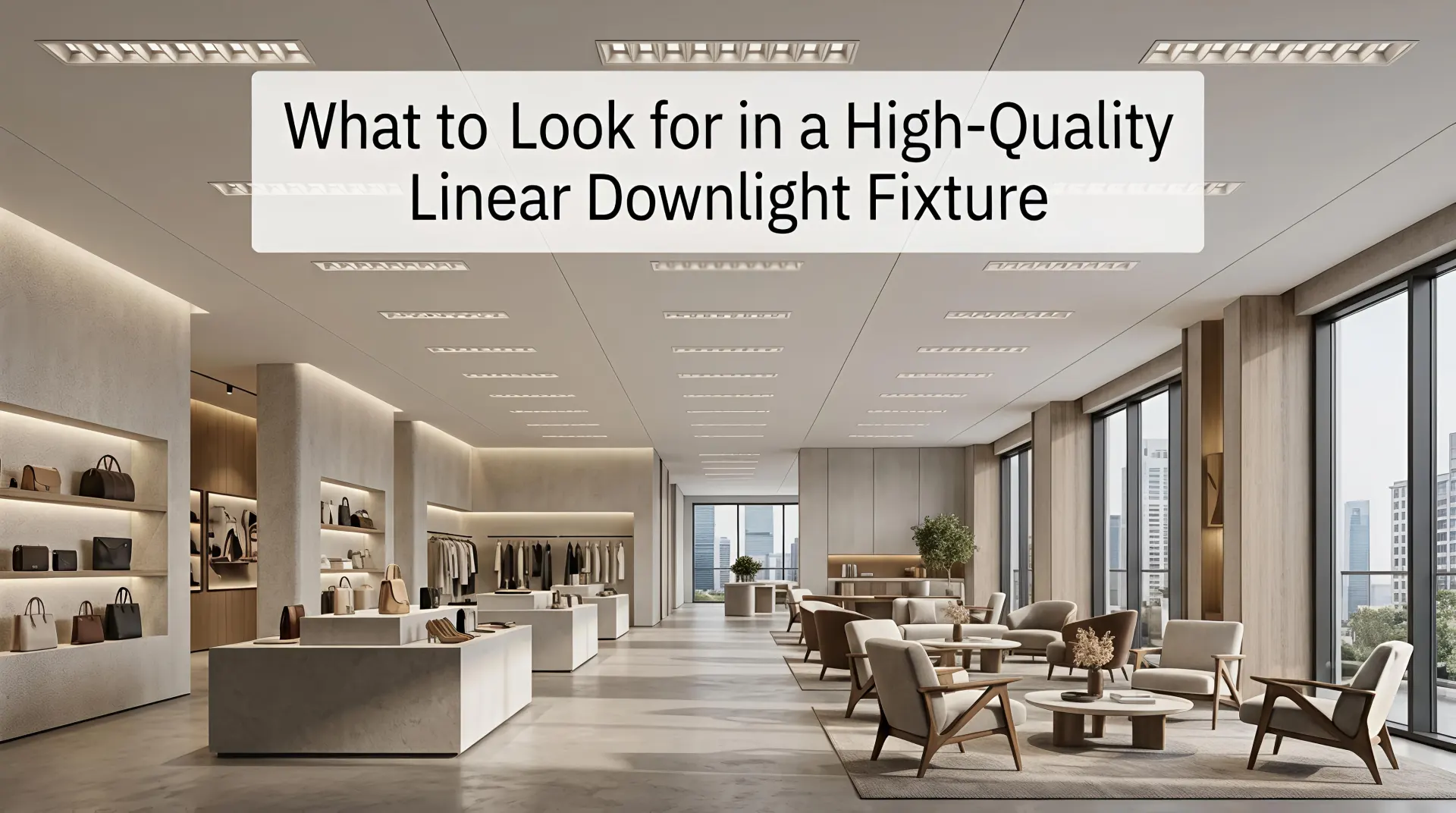
Minimalist lighting design has become a defining feature of modern architecture. Instead of making luminaires the focal point, today’s designers aim to create spaces where the light itself takes center stage. That’s exactly why the linear downlight fixture has become such a popular choice in luxury retail stores, premium offices, hospitality venues, and contemporary residential projects.
With its slim profile, clean ceiling integration, and precise beam control, this type of architectural lighting delivers both aesthetics and functionality. But while many products may look similar at first glance, the differences in optical performance, glare control, driver quality, and long-term reliability can be substantial.
A poorly designed recessed linear downlight can create harsh glare, uneven ceiling appearance, visible color inconsistency, and premature driver failure — all of which can ruin the visual experience of a carefully designed interior. Whether you’re a lighting designer, architect, contractor, or project procurement manager, understanding what separates a premium product from a low-end alternative is essential.
Why Architectural Linear Lighting Is Replacing Traditional Downlights
Traditional round downlights are still widely used, but many commercial projects are moving toward architectural linear lighting for a more refined and modern appearance.
Compared with standard ceiling downlights, linear systems offer:
- Cleaner ceiling lines
- More uniform illumination
- Better visual rhythm across large spaces
- Enhanced glare management
- Greater flexibility for beam distribution
They’re especially common in:
- Corporate offices
- Retail environments
- Museums and galleries
- Hotels and lounges
- High-end residential interiors
For reference, organizations like the Illuminating Engineering Society (IES) provide professional lighting guidelines widely used in commercial architectural projects.
Optical Performance in Modern Linear Ceiling Fixtures
The biggest difference between a premium and low-cost fixture usually comes down to optics.
Glare Control in Recessed Linear Downlights
Good lighting should feel comfortable, not distracting. High-quality recessed linear downlights are designed to hide the light source while directing illumination precisely where it’s needed.
Premium fixtures often include:
- Deep recessed optics
- Dark-light reflectors
- Honeycomb anti-glare louvers
- Precision optical lenses
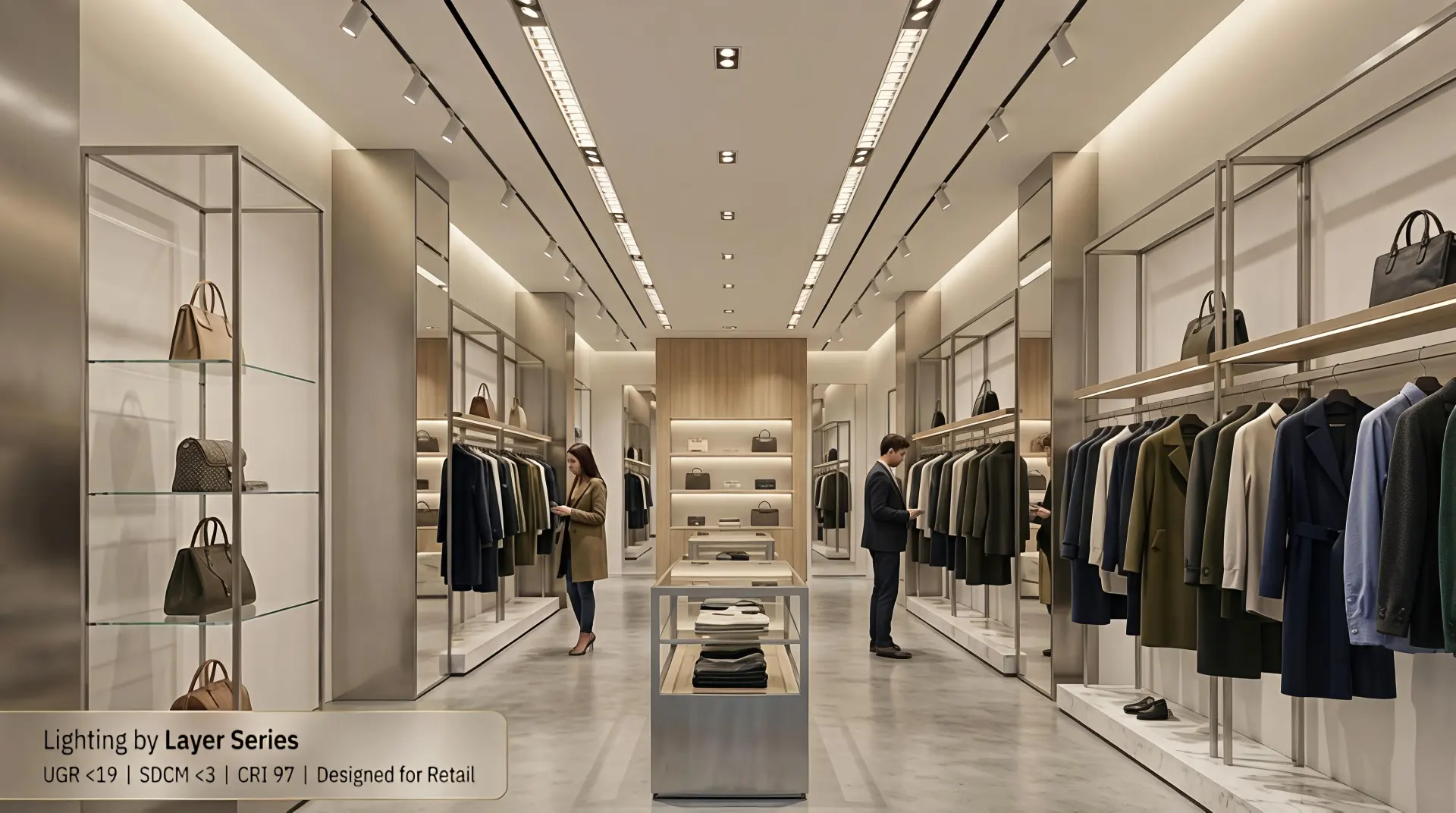
For offices, galleries, and hospitality environments, a Unified Glare Rating (UGR) below 19 is generally expected. In higher-end applications, many designers target UGR < 16 or even UGR < 13.
Low-glare lighting significantly improves visual comfort, especially in environments where people spend long hours under artificial lighting.
Beam Quality and Light Distribution
A well-designed LED linear downlight should produce a clean, controlled beam without:
- Color fringing
- Uneven hotspots
- Harsh edges
- Secondary glare halos
Beam angle options such as 15°, 24°, 36°, and wall-wash distributions allow designers to shape the atmosphere of a space with precision.
Color Consistency in Commercial Linear Downlight Systems
Color quality plays a major role in how people experience a space.
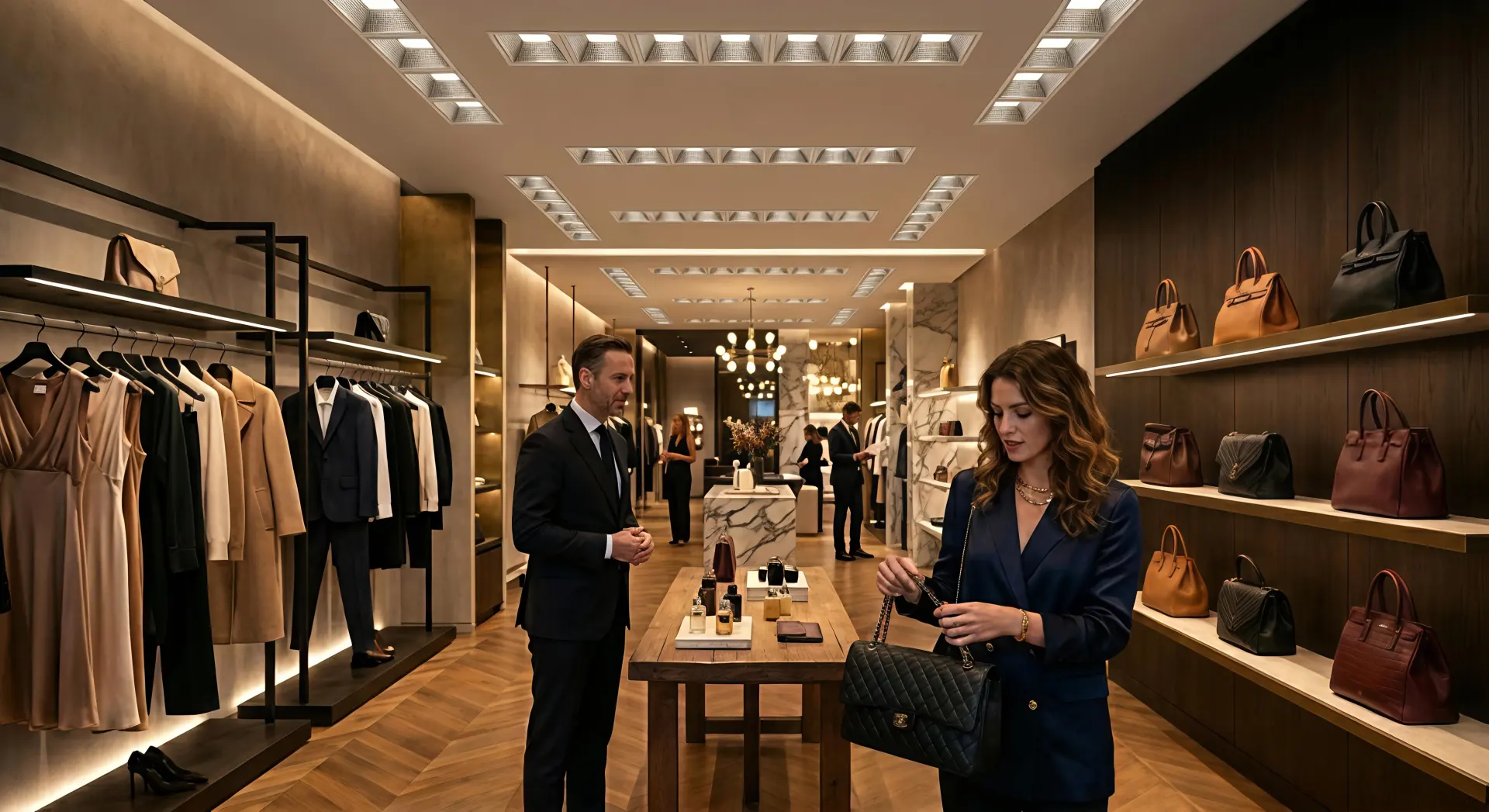
In luxury retail, hospitality, and automotive showrooms, lighting directly affects how products, materials, and even skin tones appear.
CRI and R9 Performance in LED Linear Downlight Fixtures
Many low-end products advertise CRI 80, which is acceptable for basic lighting applications. However, premium commercial environments typically require:
- CRI (Ra) ≥ 90
- High R9 values for saturated reds
Low R9 performance can make wood finishes, fabrics, and skin tones appear dull or lifeless.
By contrast, high-performance architectural fixtures often achieve:
| Lighting Quality | Low-End Fixture | Premium Fixture |
|---|---|---|
| CRI (Ra) | Around 80 | 90–95+ |
| R9 Value | Near 0 | 50–90+ |
| Visual Result | Flat and washed out | Rich and natural colors |
SDCM and Color Matching Across the Ceiling
Color consistency is another overlooked issue.
Cheap fixtures frequently show visible differences in color temperature because LEDs from different production batches are mixed together.
Higher-end manufacturers carefully bin their LEDs to maintain:
- ≤ 3 SDCM
- Sometimes ≤ 2 SDCM for premium projects
That means the ceiling maintains a consistent appearance without visible warm or cool patches.
You can learn more about color rendering standards through Energy Star Lighting Guidance.
Thermal Design and Build Quality in Linear Lighting Fixtures
Heat management is critical in any compact lighting system.
Because a linear downlight fixture often contains multiple LEDs in a narrow housing, poor thermal design can quickly lead to:
- Lumen depreciation
- Color shift
- Driver instability
- Shortened lifespan
Aluminum Housing and Passive Cooling
Premium fixtures typically use:
- Die-cast aluminum housings
- CNC-machined aluminum components
- Advanced heat sink structures
This allows heat to dissipate efficiently without relying on active cooling.
A properly engineered fixture should maintain stable LED junction temperatures and achieve operational lifetimes of 50,000 hours or more.
Surface Finishing and Structural Durability
Build quality also affects the visual impression of the fixture itself.
High-end products usually feature:
- Matte powder-coated finishes
- Anodized aluminum surfaces
- Corrosion-resistant treatments
The difference becomes especially noticeable in luxury commercial environments where every material detail matters.
Driver Stability in Smart Linear Downlight Solutions
The LED driver is effectively the heart of the fixture.
Even with excellent LEDs, poor driver quality can cause:
- Flickering
- Dimming instability
- Early component failure
- Audible buzzing
Flicker-Free LED Driver Performance
Reliable architectural fixtures often use drivers from brands such as:
- Mean Well
- Tridonic
- Lifud
Important specifications include:
| Driver Feature | Recommended Standard |
| Power Factor | > 0.90 |
| THD | < 15% |
| Flicker | Flicker-free |
| Dimming | Smooth to 1% or below |
Low-quality drivers frequently show visible flicker when viewed through a smartphone camera.
Smart Dimming Compatibility
Modern projects increasingly require intelligent lighting control.
A high-quality commercial linear lighting system should support:
- DALI-2
- DT8 tunable white
- 0-10V dimming
- TRIAC dimming
Most importantly, dimming transitions should remain smooth and stable even at extremely low brightness levels.
Installation Flexibility in Architectural Downlight Systems
Installation and maintenance are often overlooked during product selection, but they matter enormously in large-scale projects.
Trim and Trimless Ceiling Integration
Premium product families usually offer both:
- Trimmed versions
- Trimless recessed versions
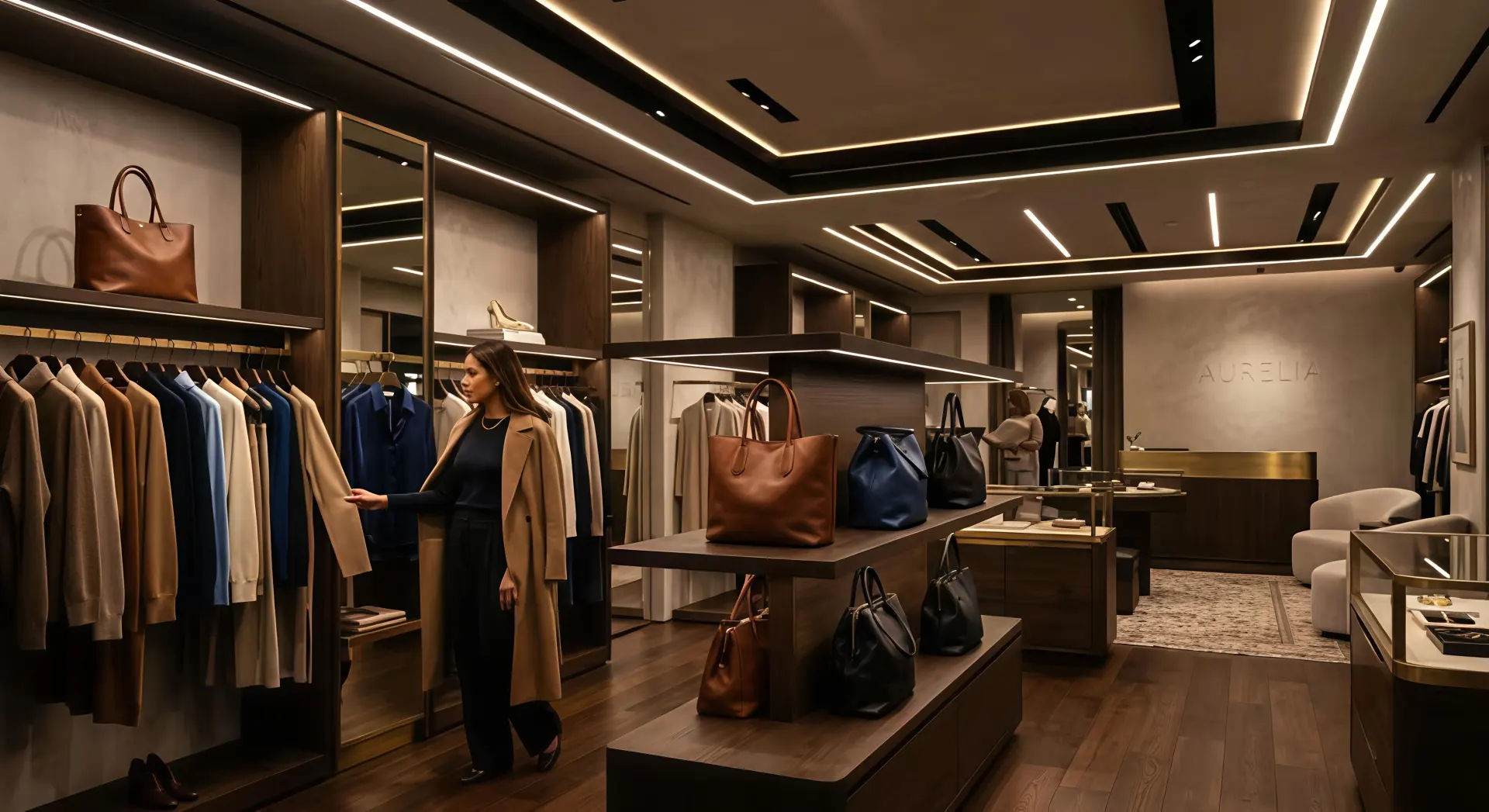
Trimless fixtures are especially popular in minimalist interiors because they create a seamless ceiling appearance after plastering and painting.
Modular Maintenance Design
In commercial buildings, maintenance costs can quickly add up.
Well-designed systems allow technicians to replace:
- LED modules
- Drivers
- Optical components
directly from below the ceiling without damaging the surrounding structure.
That modular approach saves both labor and long-term operating costs.
Quick Comparison: Premium vs Low-End Linear Downlight Fixtures
| Core Feature | Low-End Product | Architectural-Grade Product |
| Housing Material | Plastic or thin sheet metal | Die-cast aluminum |
| Glare Control | UGR > 22 | UGR < 16 |
| Color Consistency | Visible variation | ≤ 3 SDCM |
| Driver Quality | Basic power supply | Flicker-free premium driver |
| Dimming | Unstable | Smooth low-end dimming |
| Maintenance | Non-serviceable | Modular quick-access design |
| Lifespan | Shorter operational life | 50,000+ hours |
FAQ About Linear Downlight Fixtures
What is the difference between a linear downlight fixture and a standard downlight?
A linear downlight fixture uses an elongated housing that creates cleaner visual lines and more even illumination across a space. Traditional round downlights typically provide more localized lighting.
What UGR rating is recommended for office lighting?
Most office projects target UGR < 19 for visual comfort. Premium workplace environments often require UGR < 16.
Why is SDCM important in architectural lighting?
SDCM measures color consistency between fixtures. Lower SDCM values ensure the ceiling appears visually uniform without noticeable color variation.
Are linear downlight fixtures suitable for smart buildings?
Yes. Many modern fixtures support DALI-2, 0-10V, and tunable white systems for advanced lighting control.
How long should a high-quality LED linear downlight last?
Architectural-grade fixtures are typically designed for 50,000 hours or more when paired with proper thermal management and premium drivers.
Final Thoughts on Choosing the Right Linear Downlight Fixture
Choosing a high-quality linear downlight fixture is about far more than appearance. The best products combine optical precision, glare control, color accuracy, thermal stability, and long-term serviceability into one integrated system.
For architects and lighting professionals, these details directly affect how a space feels over time. A well-designed fixture can quietly elevate an environment for years, while a poor-quality alternative quickly reveals its compromises.
When evaluating products, pay close attention to:
- UGR ratings
- SDCM consistency
- CRI and R9 values
- Driver reliability
- Thermal performance
- Modular maintenance design
Those specifications are what separate true architectural lighting from commodity products.

