



Why Smart Lighting is the Future: Reducing OPEX and Boosting Productivity
By Vincent
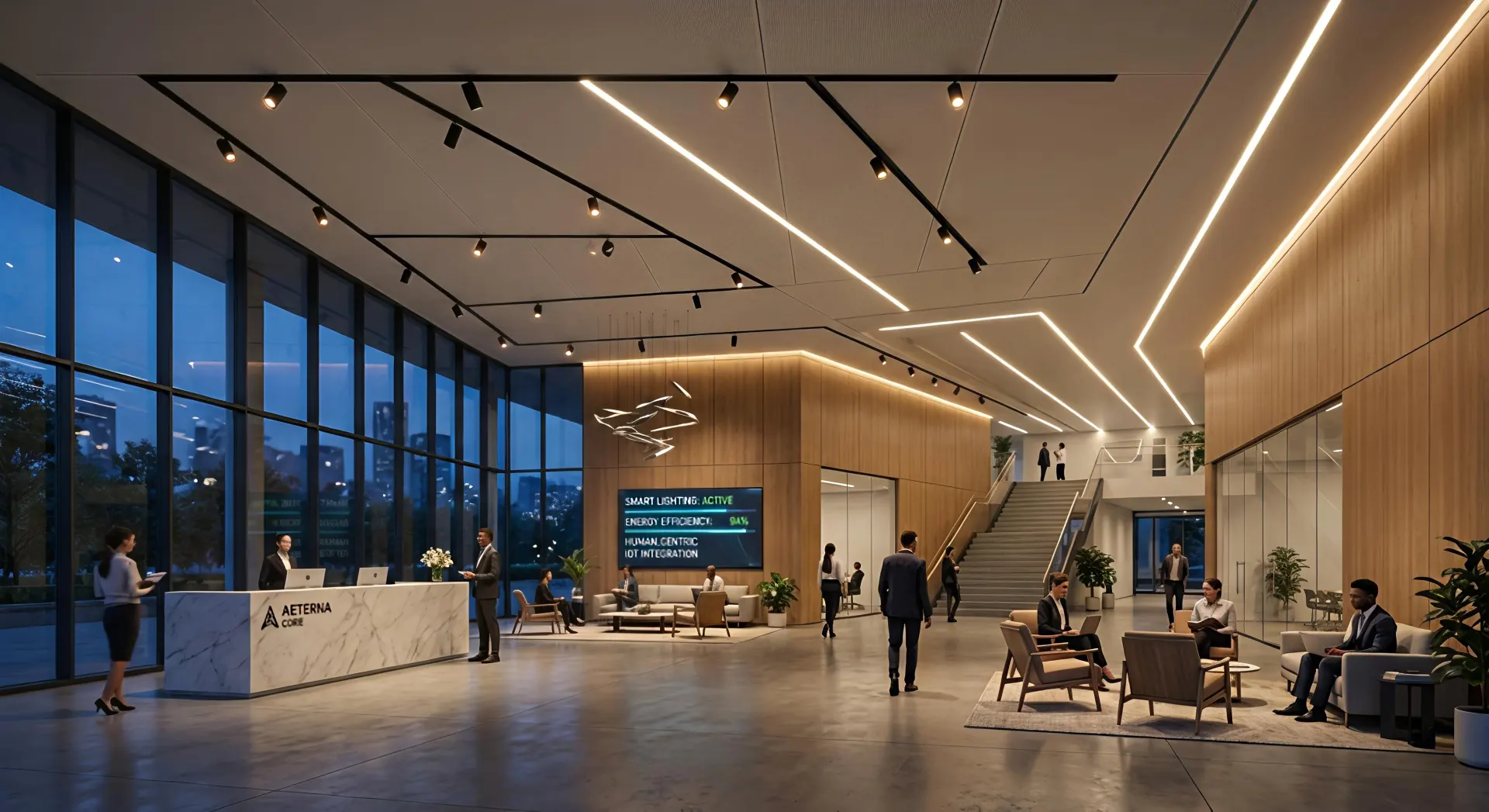
Why Smart Lighting is the Future is no longer a theoretical idea—it’s already reshaping how commercial buildings operate. Lighting has evolved from a basic utility into a strategic system that directly influences energy costs, workplace performance, and long-term asset value.
As energy prices continue to rise and businesses look for smarter ways to operate, lighting is becoming part of a connected ecosystem powered by the Internet of Things. Instead of running independently, lighting systems now interact with sensors, data platforms, and other building systems to optimize performance in real time.
What Is a Smart Lighting System?
A smart lighting system—often referred to as an intelligent lighting solution or lighting automation system—combines LED luminaires, control systems, and sensors into a unified platform.
These systems enable:
- Automated on/off control based on occupancy
- Daylight-responsive dimming
- Scene-based lighting adjustments
- Remote monitoring and management
In commercial environments, standards like DALI-2 make it possible to control individual fixtures, create lighting groups, and adjust entire spaces with precision.
Reducing Operational Costs Through Smart Lighting
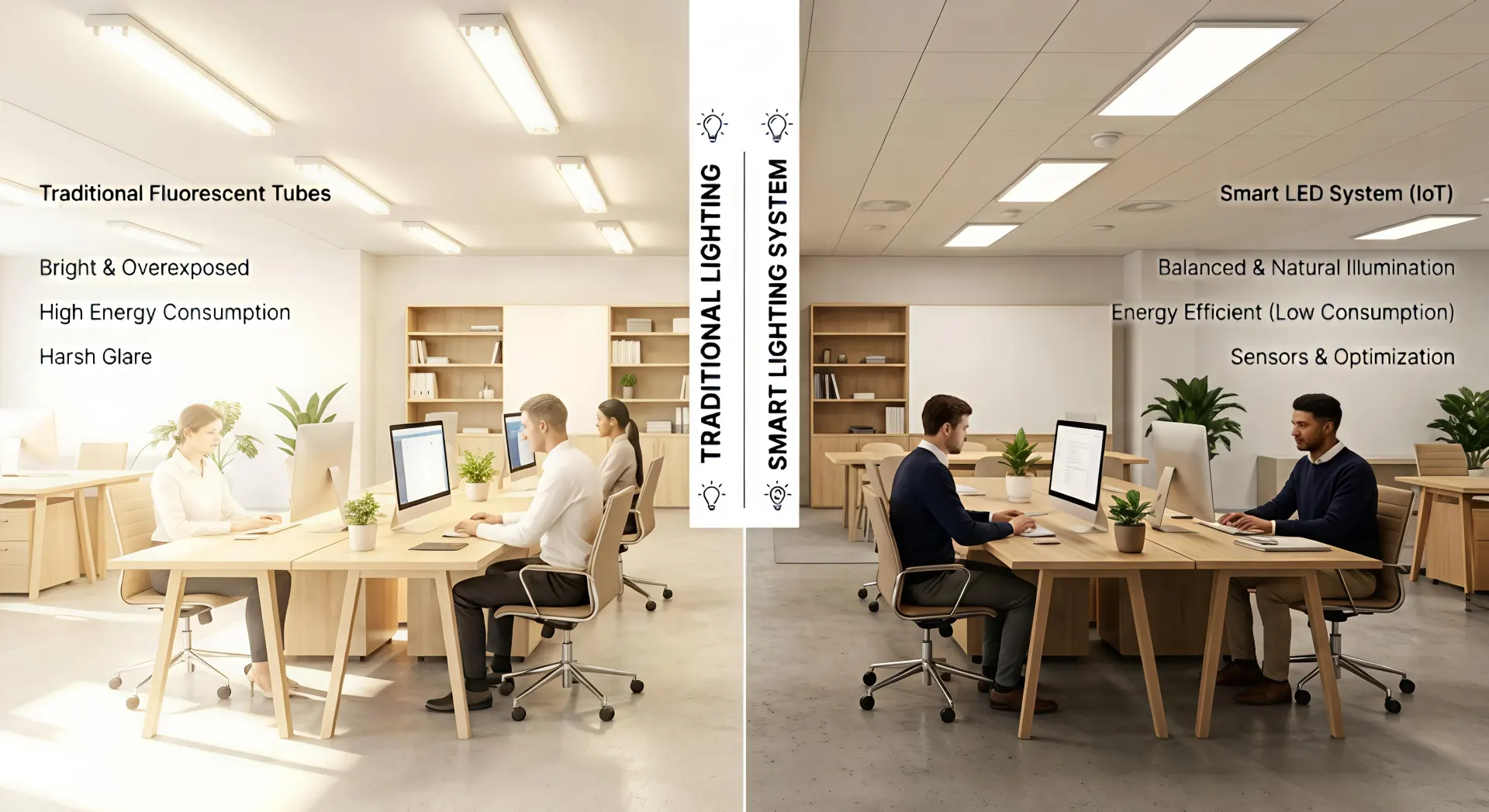
Smarter Energy Use
Traditional lighting systems are static—they operate at full output regardless of actual demand. Smart lighting changes this by introducing:
- Occupancy sensing
- Daylight harvesting
- Constant illuminance control
Together with high-efficiency LEDs, these technologies can reduce lighting energy consumption by 30% to 70%.
👉 According to the U.S. Department of Energy, advanced lighting controls are one of the most effective ways to cut building energy use.
Lower Maintenance and Longer Lifespan
Smart lighting systems also reduce maintenance costs by shifting from reactive fixes to proactive management:
- Real-time fixture monitoring
- Remote diagnostics
- Predictive maintenance alerts
By avoiding constant full-load operation, lighting components last longer—reducing replacement frequency and overall lifecycle costs.
| Feature | Traditional Lighting | Smart Lighting |
|---|---|---|
| Energy Usage | Constant, high | Adaptive, optimized |
| Maintenance | Manual checks | Remote & predictive |
| Lifespan | Standard | Extended |
| Control | Basic (on/off) | Automated & programmable |
| OPEX Impact | High | Significantly reduced |
Enhancing Productivity with Better Lighting
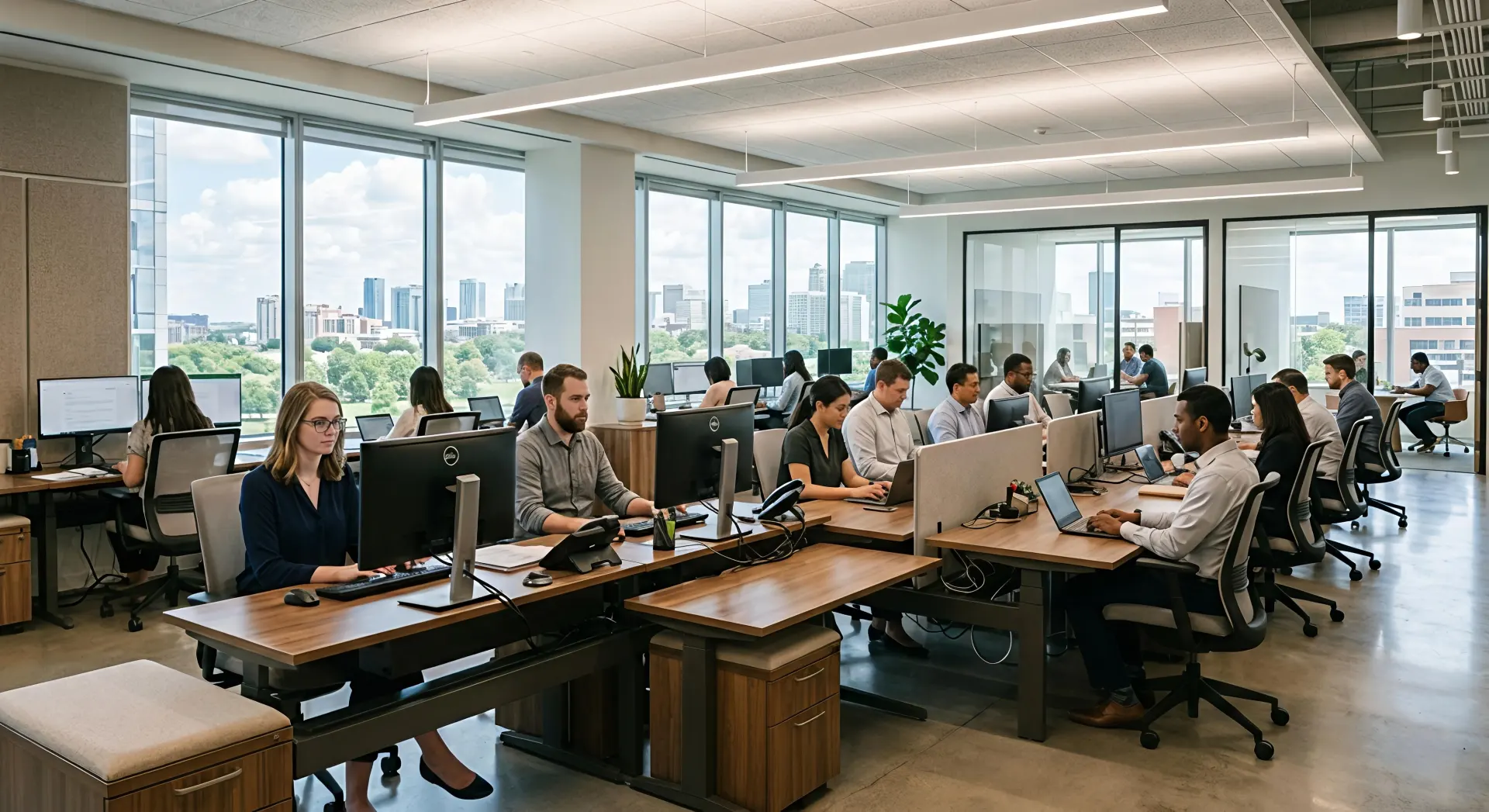
Human-Centric Lighting in the Workplace
Lighting doesn’t just affect visibility—it affects how people feel and perform. That’s the idea behind Human Centric Lighting.
Smart systems can adjust color temperature and brightness throughout the day:
- Cooler light in the morning to increase alertness
- Warmer light in the afternoon to reduce fatigue
This approach aligns indoor lighting with natural circadian rhythms, improving focus and overall comfort.
Lighting for Different Tasks and Spaces
Modern workplaces are no longer uniform. Smart lighting allows different zones to support different functions:
- Focus lighting for workstations
- Presentation lighting for meeting rooms
- Relaxed lighting for break areas
This is especially valuable in smart lighting for office spaces, where flexibility directly impacts employee performance.
Smart Lighting in Retail and Commercial Spaces
Improving Retail Experience
In retail environments, lighting plays a direct role in customer behavior. With smart lighting for retail stores, businesses can:
- Highlight featured products
- Adjust lighting for promotions
- Create a consistent brand atmosphere
The Role of Smart Track Lighting Systems
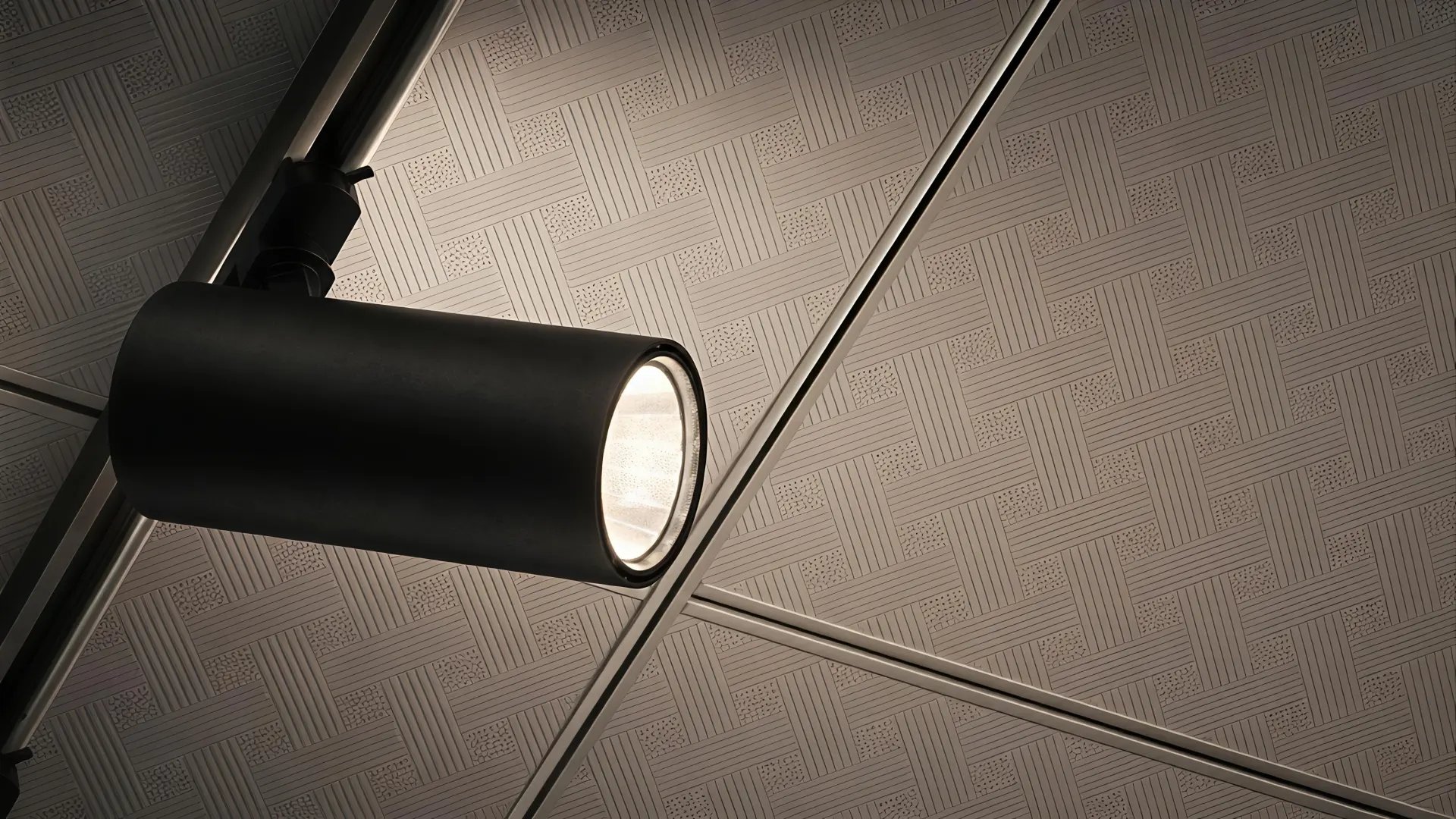
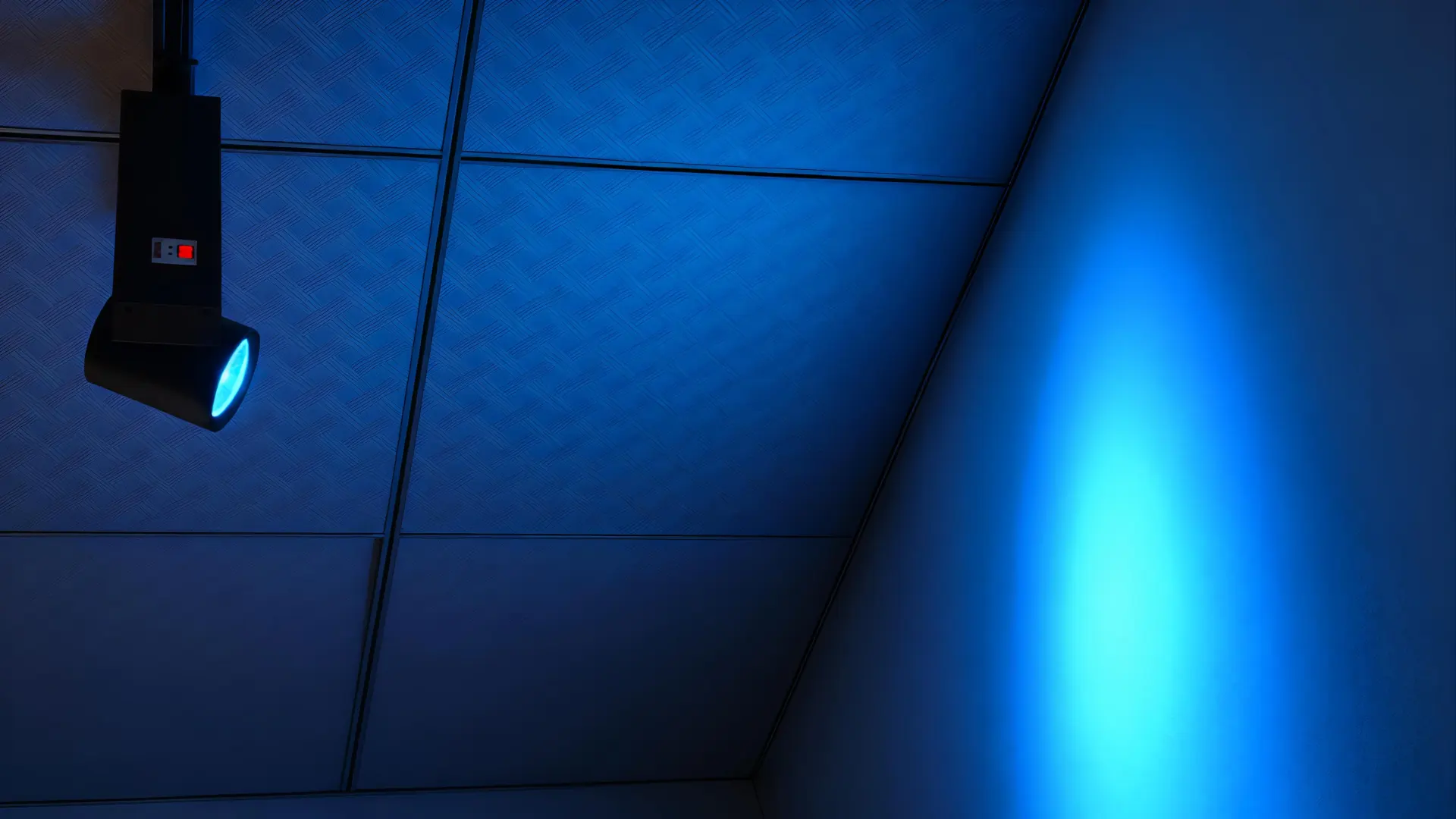
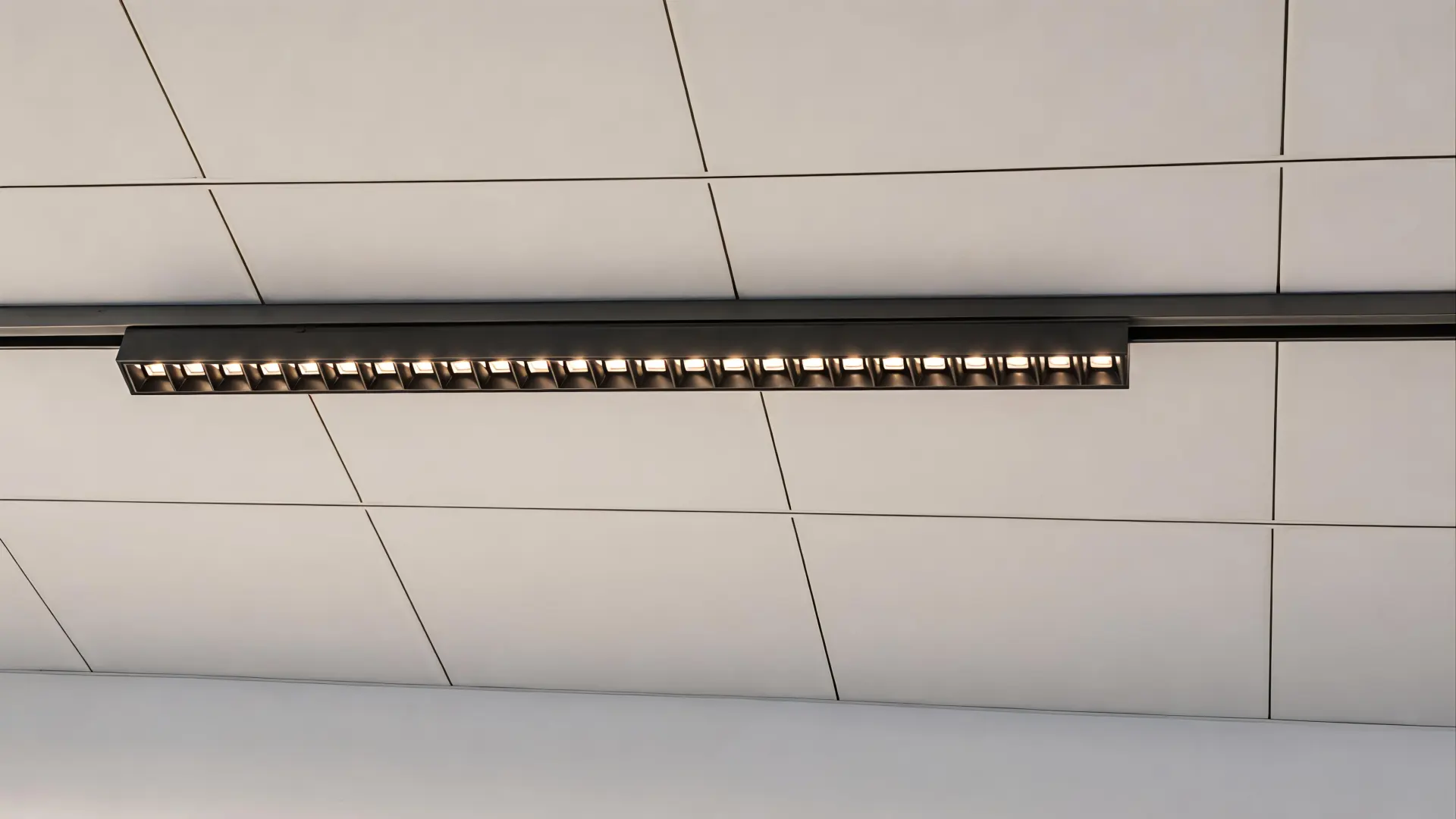
One of the most effective tools in commercial lighting is smart track lighting systems.
These systems provide:
- Adjustable positioning
- Precise beam control
- Seamless integration with smart controls
For retailers, this means lighting can adapt instantly to layout changes—without rewiring or downtime. It’s a practical solution for dynamic environments like showrooms and boutiques.
| Feature | Practical Benefit |
|---|---|
| Adjustable fixtures | Flexible merchandising |
| Smart control | Quick scene changes |
| High efficiency | Lower energy costs |
| Scalable system | Easy expansion |
Connected Lighting and the Future of Buildings
Smart lighting is becoming the backbone of connected buildings.
Each fixture can act as a node within an Internet of Things network, enabling integration with:
- HVAC systems
- Security systems
- Environmental sensors
Wireless technologies like Bluetooth Mesh and Zigbee further enhance flexibility, allowing upgrades without major infrastructure changes.
Why Businesses Are Making the Switch
The shift toward smart lighting is accelerating for several reasons:
- Rising energy costs
- Sustainability requirements
- Faster return on investment
- Demand for smarter, more flexible spaces
Today, smart lighting is no longer a premium upgrade—it’s becoming a standard expectation in commercial projects.
Conclusion: From Cost Center to Strategic Asset
At its core, the reason why smart lighting is the future is simple:
It transforms lighting from a passive expense into an active performance tool.
By reducing operational costs, improving user experience, and enabling smarter buildings, smart lighting delivers value that goes far beyond illumination.
For businesses looking ahead, it’s not just about upgrading lighting—it’s about upgrading how spaces work.
FAQ
What is smart lighting?
Smart lighting uses sensors and control systems to automatically adjust lighting based on occupancy, daylight, and user preferences.
How much can smart lighting reduce energy costs?
Most systems can cut lighting energy consumption by 30% to 70%, depending on usage and configuration.
Is smart lighting suitable for retail environments?
Yes. Smart lighting for retail stores improves product visibility and enhances customer experience.
What are smart track lighting systems?
They are flexible lighting systems that combine adjustable track fixtures with intelligent control, ideal for retail and display applications.
Is smart lighting worth the investment?
While upfront costs are higher, the long-term savings in energy and maintenance usually result in a fast return on investment.

