



Is Energy Saving Led Track Lighting 160LM/W Worth It for Commercial Spaces?
By Vincent
Introduction: Why Energy Saving LED Track Lighting 160lm/W Is in Demand
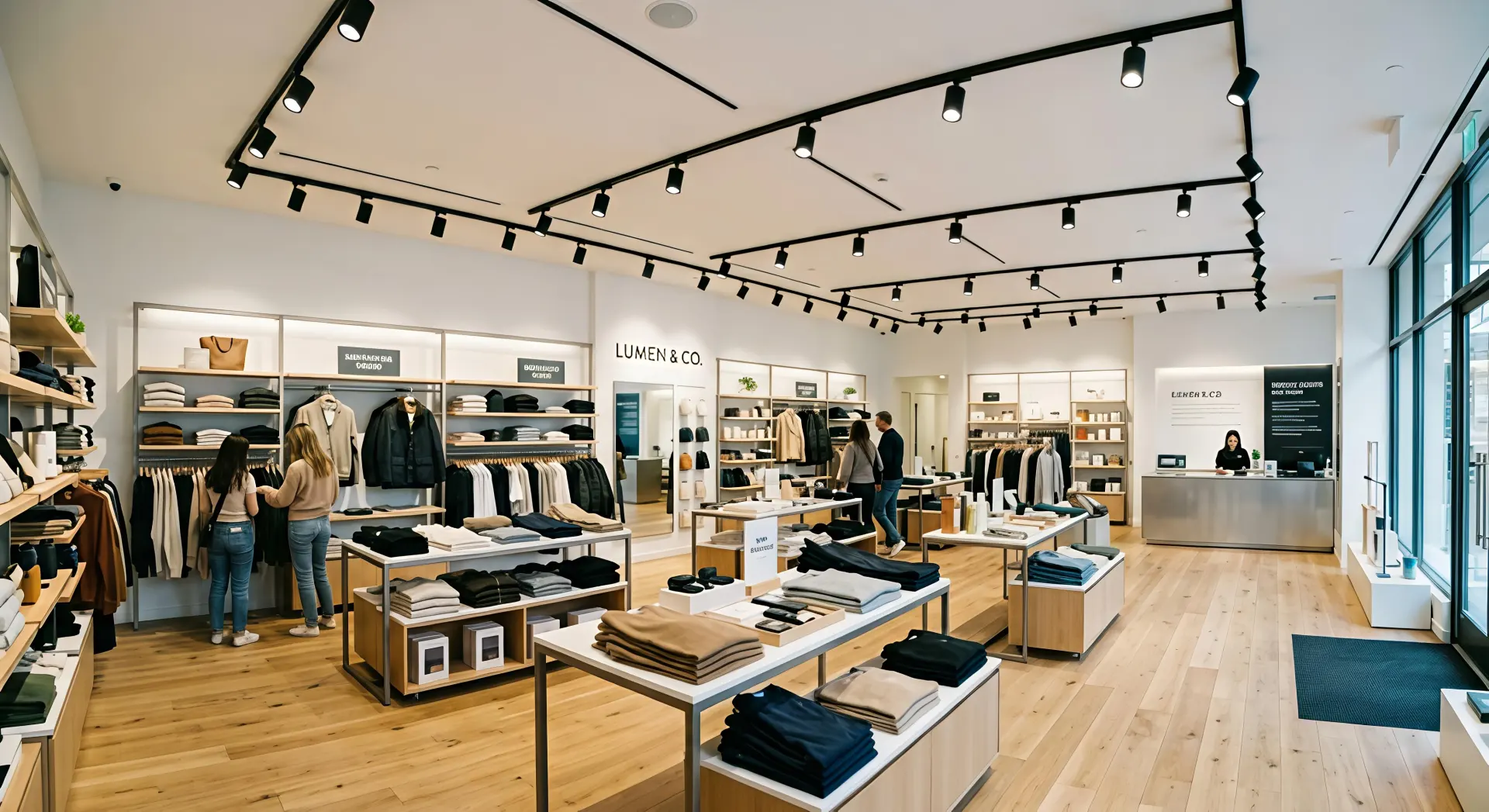
In today’s commercial lighting landscape, businesses are no longer just trying to light up a space—they’re trying to reduce operating costs and improve efficiency. That’s exactly why energy saving LED track lighting 160lm/W is gaining attention.
With rising electricity prices and stricter sustainability goals, switching to a high efficiency LED track light 160lm/W is becoming a practical decision rather than a luxury upgrade. Compared to standard lighting, it delivers the same brightness while using significantly less energy.
So the real question is:
Is it actually worth the investment?
What Does Energy Saving LED Track Lighting 160lm/W Mean?
To understand its value, let’s break it down simply.
- Lumens (lm): how much light is produced
- Watts (W): how much energy is consumed
- lm/W: how efficiently energy is converted into light
A 160lm/W LED track lighting system produces more light per watt than most standard fixtures on the market.
Efficiency Benchmark (Key Comparison)
| Lighting Type | Typical Efficiency | What It Means |
|---|---|---|
| Halogen | 10–20 lm/W | Very inefficient, high cost |
| Standard LED track light | 80–120 lm/W | Average efficiency |
| Energy saving LED track light 160lm/W | 150–160 lm/W | High efficiency, low energy use |
For more background on lighting efficiency, you can refer to the U.S. Department of Energy.
How Much Energy Can You Save?
This is where the real value shows up.
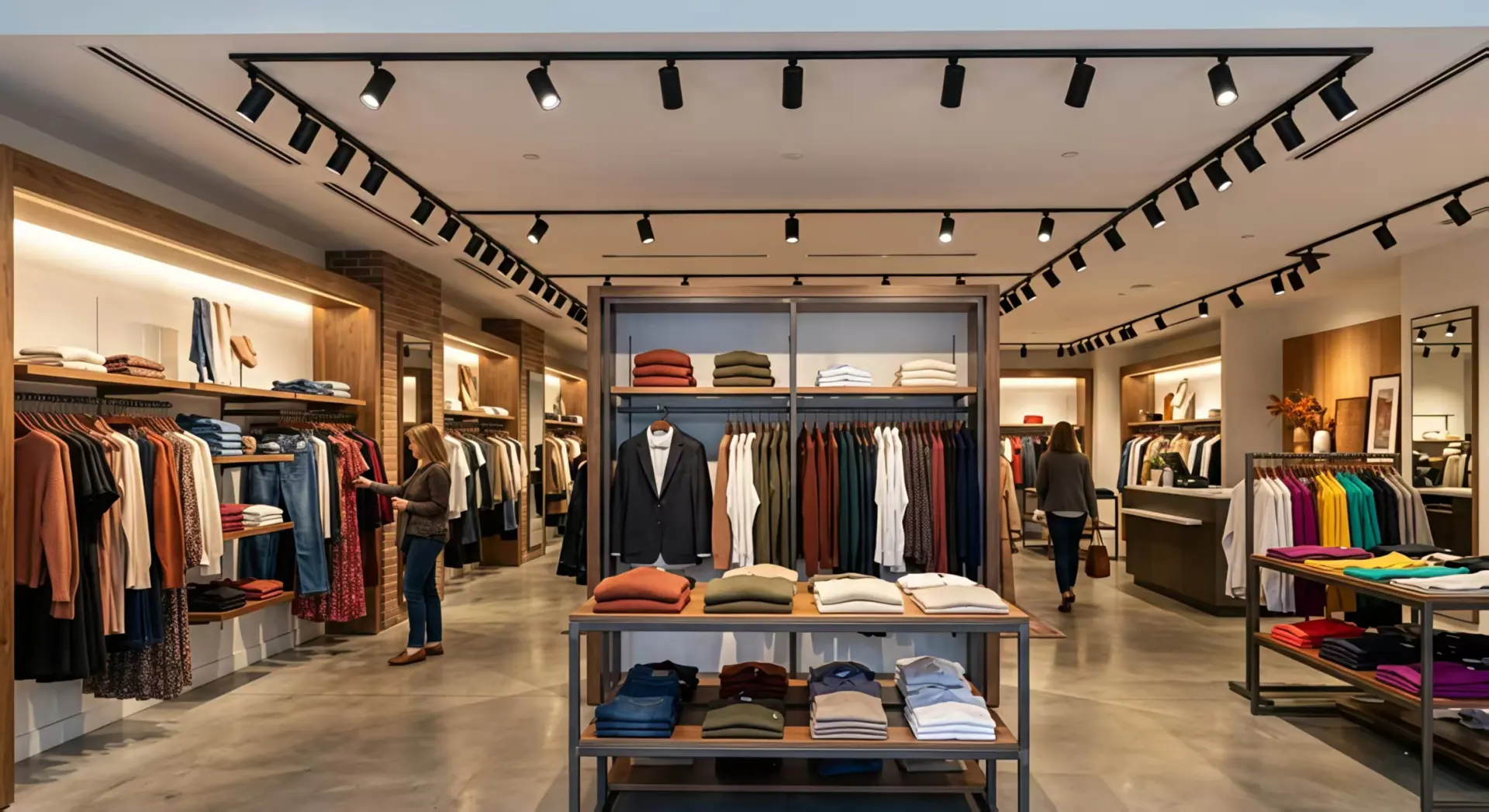
A typical commercial LED track lighting 160lm/W setup can reduce wattage significantly while maintaining the same brightness level.
For example:
- Traditional LED track light: around 35W
- 160lm/W LED track light: around 22W
That’s roughly 35–40% less energy per fixture.
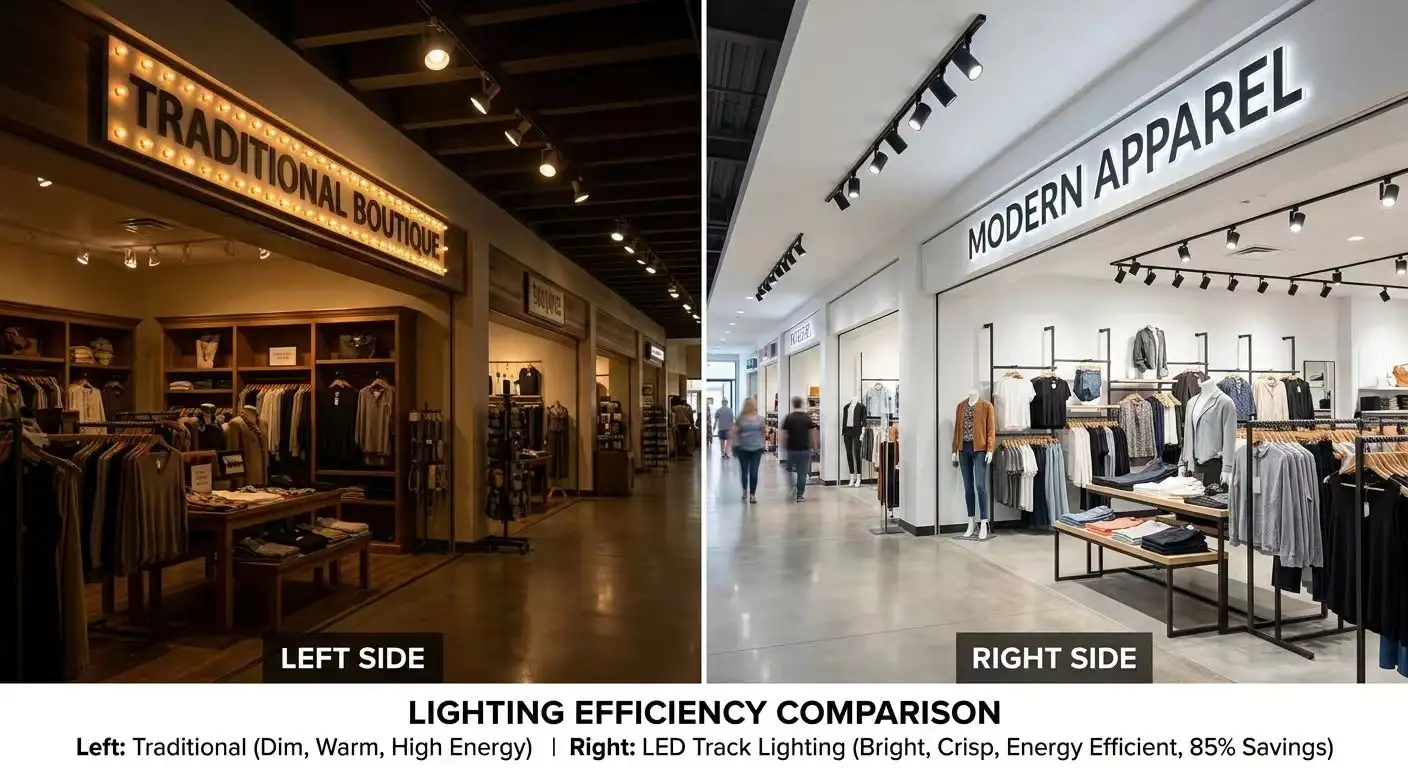
In a real retail environment running 10–12 hours per day, this can translate into 50–70% lower electricity costs over time. It also reduces heat output, which means your air conditioning system doesn’t have to work as hard.
According to the International Energy Agency, lighting upgrades are among the fastest ways for commercial buildings to reduce energy consumption.
ROI: How Fast Can You Recover the Cost?
Efficiency only matters if it pays off—and in this case, it does.
Most businesses see a return on investment within 6 to 18 months, depending on usage hours.
The reasons are straightforward:
- Lower electricity bills every month
- Reduced maintenance due to longer lifespan
- Less downtime from replacements
After the payback period, the savings continue for years, making high efficiency LED track lighting 160lm/W a financially sound choice.
160lm/W vs Traditional Lighting: Which Performs Better?
Cost & Performance Comparison
| Feature | Halogen | Standard LED | 160lm/W LED |
|---|---|---|---|
| Energy Consumption | Very high | Moderate | Low |
| Heat Output | High | Medium | Low |
| Lifespan | Short | Medium | Long |
| Operating Cost | High | Medium | Low |
Over time, the difference isn’t just noticeable—it becomes a major cost advantage.
Does High Efficiency Affect Lighting Quality?
This is a common concern—but with modern technology, the answer is no.
A well-designed energy saving LED track lighting 160lm/W system can deliver:
- High CRI (90+) for accurate color rendering
- Precise beam angles for focused lighting
- Flicker-free performance for visual comfort
In retail environments, better lighting doesn’t just save energy—it can actually improve product presentation and increase sales potential.
Where Does 160lm/W LED Track Lighting Make the Most Sense?
High-efficiency lighting works best in spaces where lights are used extensively.
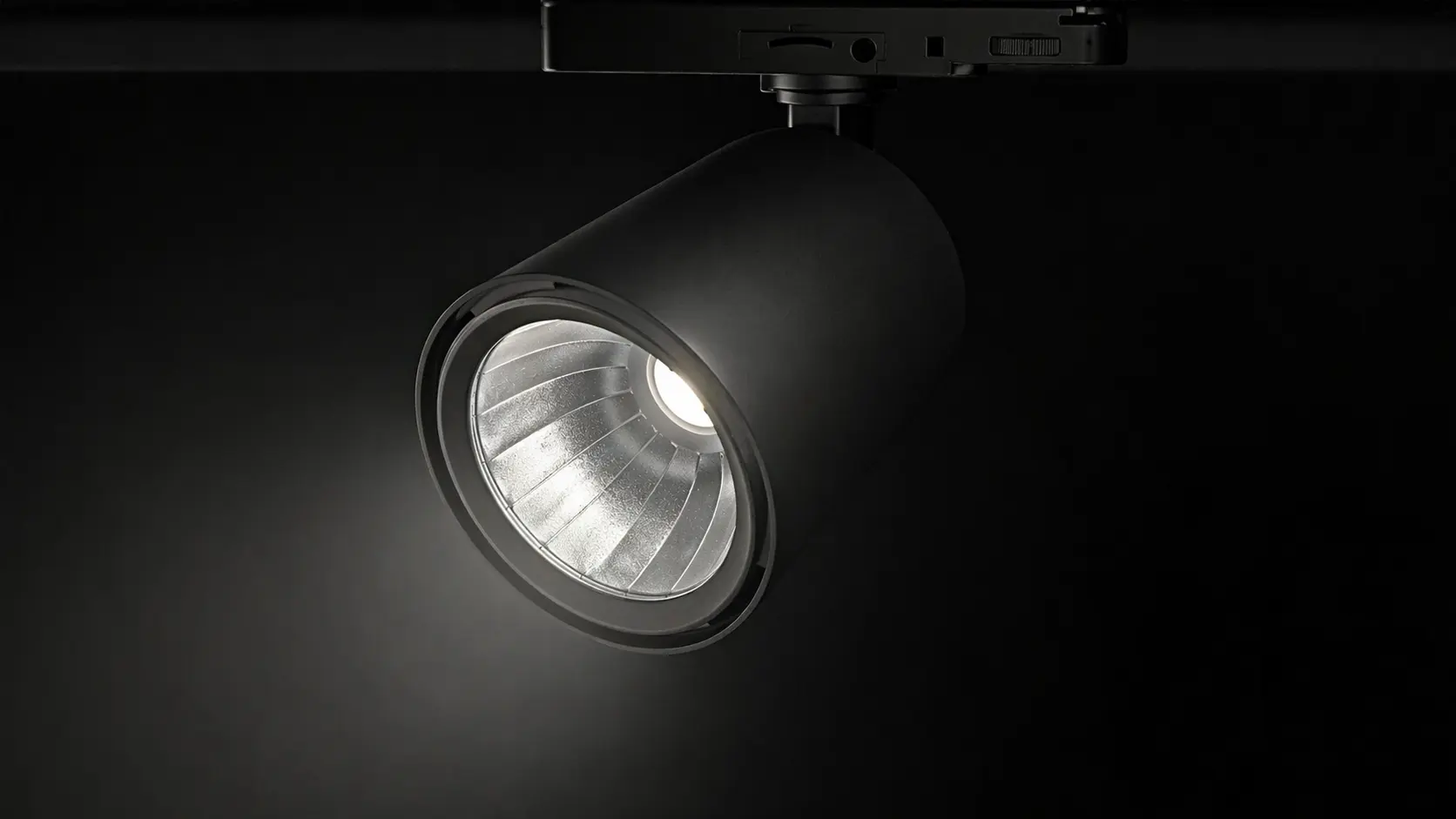
Typical applications include:
- Retail stores and boutiques
- Supermarkets and chain stores
- Showrooms
- Galleries and museums
The longer the lights are on, the faster the investment pays off.
When Is It Not Worth It?
There are still cases where upgrading may not be necessary:
- Small spaces with minimal usage
- Temporary installations
- Areas where lighting quality is not critical
In these situations, the savings may not justify the higher upfront cost.
How to Choose the Right Energy Saving LED Track Lighting 160lm/W
Not all products labeled “160lm/W” deliver the same performance.
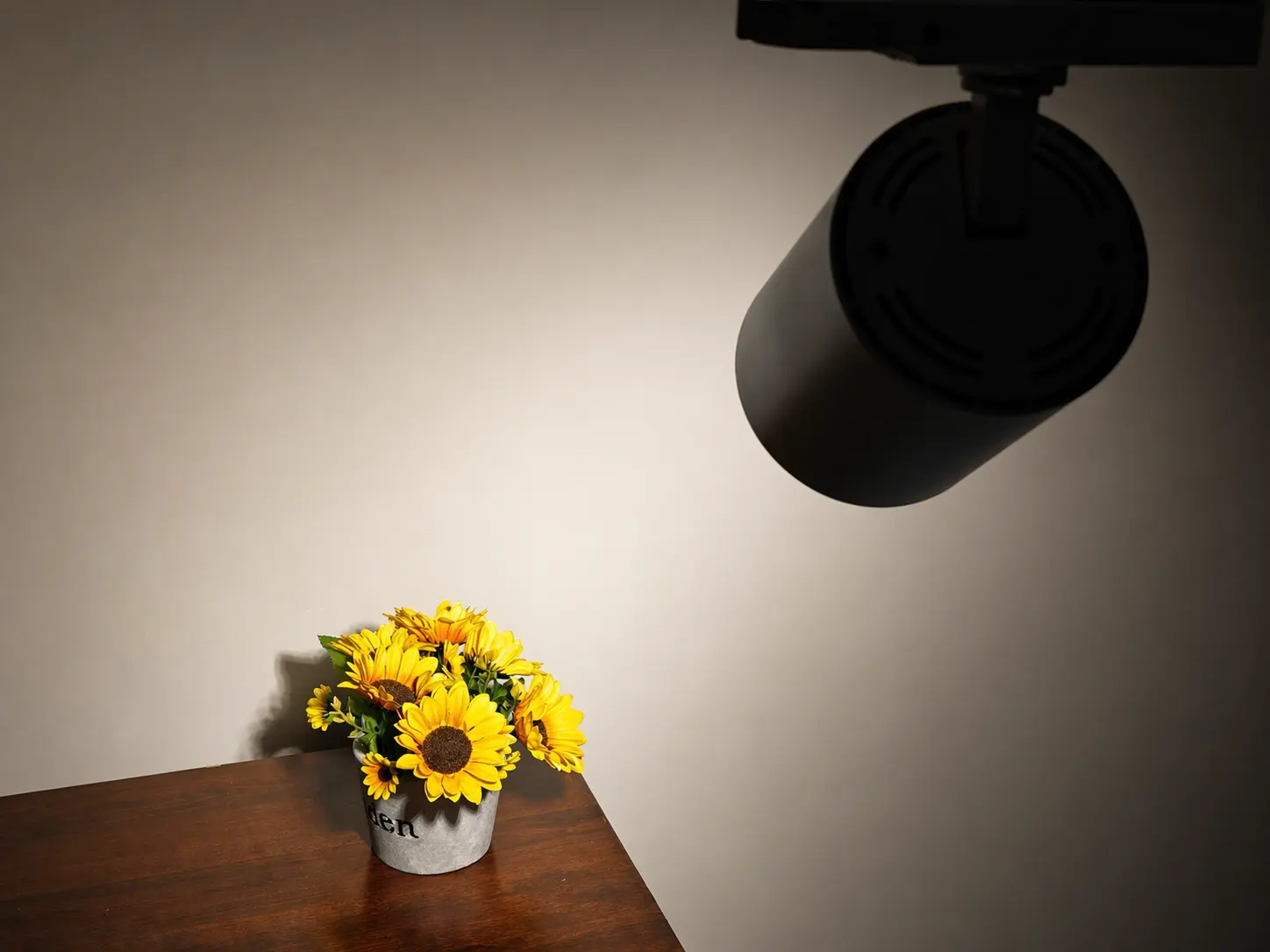
Here’s what you should look for:
- True luminaire efficacy (not just LED chip rating)
- CRI ≥ 90 for commercial use
- Reliable thermal design
- High-quality driver (flicker-free)
- Dimming compatibility (such as DALI)
Avoid products that sacrifice quality just to claim higher efficiency.
Conclusion: Is It Worth the Investment?
In most commercial scenarios, the answer is clear—yes.
While the upfront cost is higher, the combination of:
- Significant energy savings
- Fast ROI
- Better lighting performance
- Lower maintenance
makes energy saving LED track lighting 160lm/W a smart long-term investment.
More importantly, it turns lighting from a basic expense into a tool for reducing operational costs and improving efficiency.
FAQ
Is 160lm/W better than 120lm/W?
Yes, it delivers the same brightness with lower energy consumption.
How much can I save?
Typically between 50% and 70%, depending on usage.
Is it more expensive?
Upfront cost is higher, but lifetime cost is lower.
What’s the best efficiency level?
Anything above 120lm/W is good—160lm/W is considered premium.

