



Why Modern Commercial Spaces Are Switching to Linear Track Lighting Fixtures
By Vincent
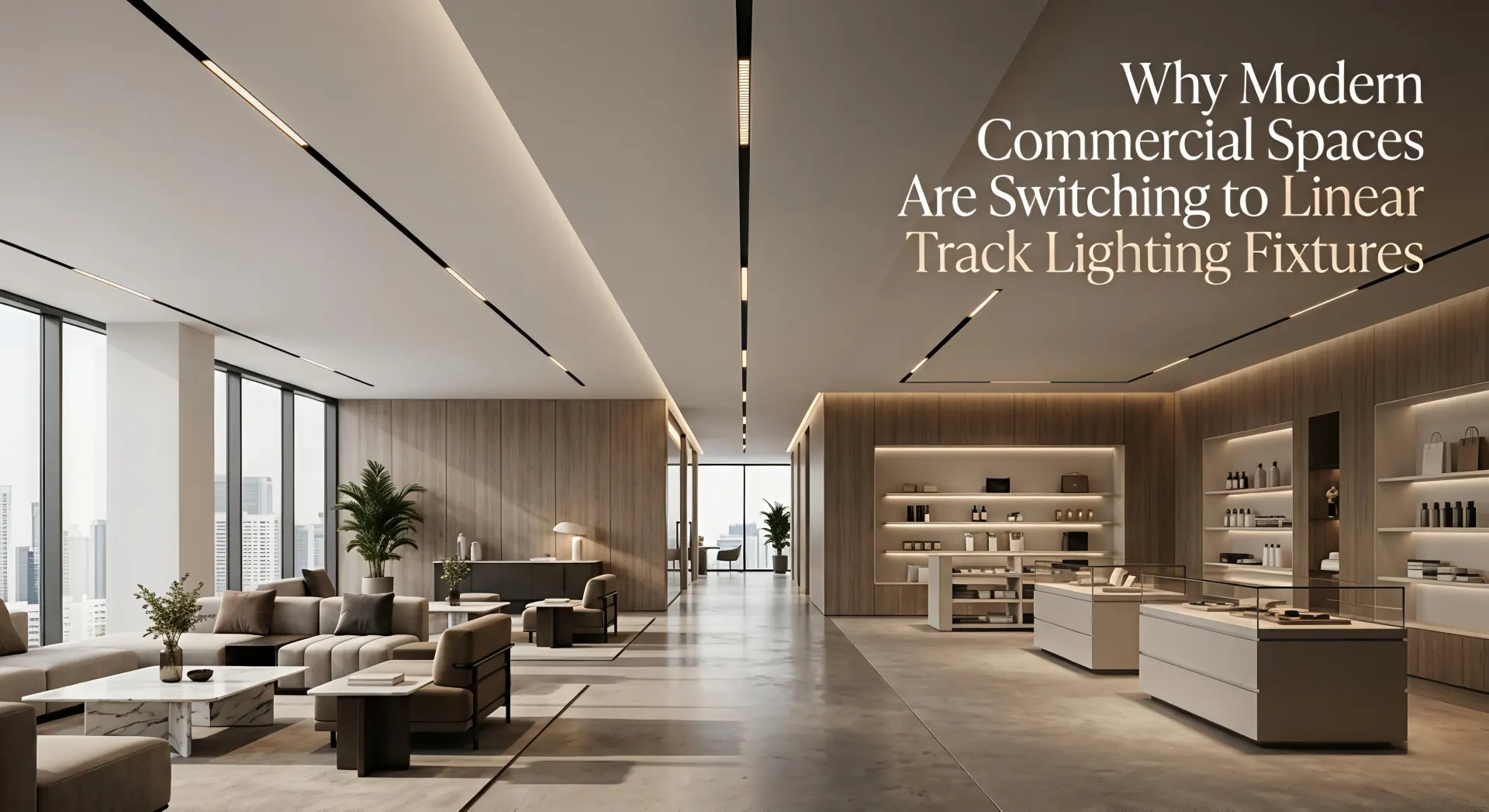
Walk into almost any newly designed office, retail showroom, boutique hotel, or premium commercial interior in 2026, and one trend becomes immediately obvious: oversized ceiling fixtures and harsh overhead lighting are disappearing fast. In their place, designers are turning to cleaner architectural lighting systems that feel softer, more flexible, and visually calmer. Among the biggest shifts in modern commercial lighting is the growing demand for linear track lighting fixtures — a lighting solution that combines minimalist aesthetics, modular flexibility, and visual comfort in one system.
At the same time, younger generations are becoming increasingly sensitive to harsh artificial lighting. Social media discussions around “overhead lighting fatigue” and “eye comfort lighting” continue to grow, especially among people who spend long hours in front of screens. Modern lighting design is no longer only about brightness. Today, architects and business owners are asking different questions:
- Does the lighting reduce glare?
- Is the space visually relaxing?
- Can the ceiling look cleaner and more architectural?
- Will customers and employees feel comfortable spending time there?
That shift is exactly why architectural linear lighting systems have become a central part of modern commercial design.
What Makes Modern Linear Track Lighting Different From Traditional Track Lights?
Traditional track lighting was originally designed for directional spotlighting. It worked well in older retail stores and galleries because it allowed individual fixtures to be adjusted toward products or displays.
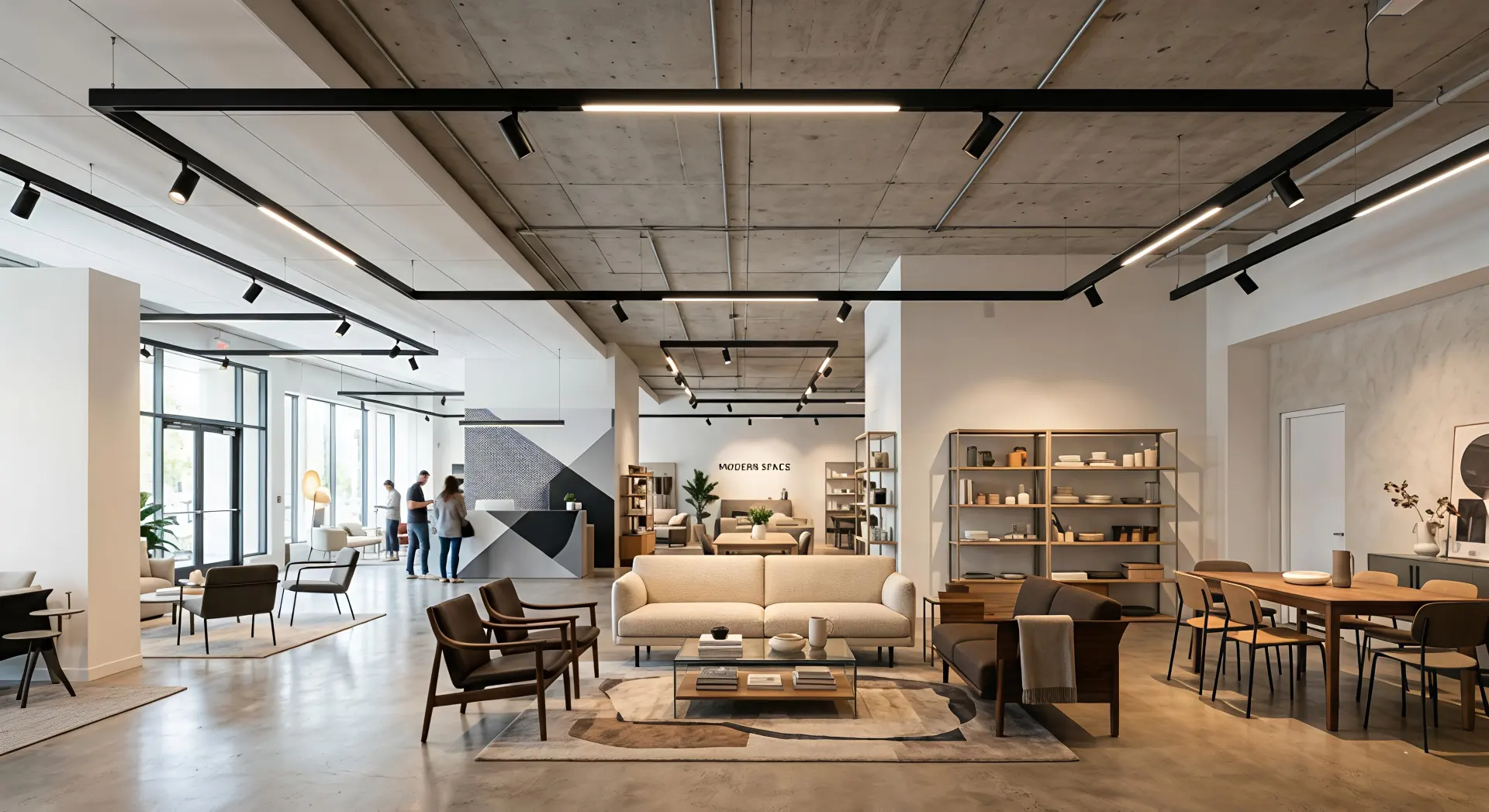
However, traditional spotlights also created several common problems:
| Traditional Track Lighting | Modern Linear Track Systems |
|---|---|
| Visible bulky fixtures | Minimal architectural appearance |
| Harsh directional glare | Soft, controlled light distribution |
| Cluttered ceiling layouts | Clean ceiling lines |
| Uneven brightness | More uniform illumination |
| Mainly accent lighting | Ambient + accent lighting integration |
Modern linear lighting systems are designed differently. Instead of relying only on spotlights, they combine multiple lighting modules into one flexible track system.
Common modules include:
- Linear flood lighting
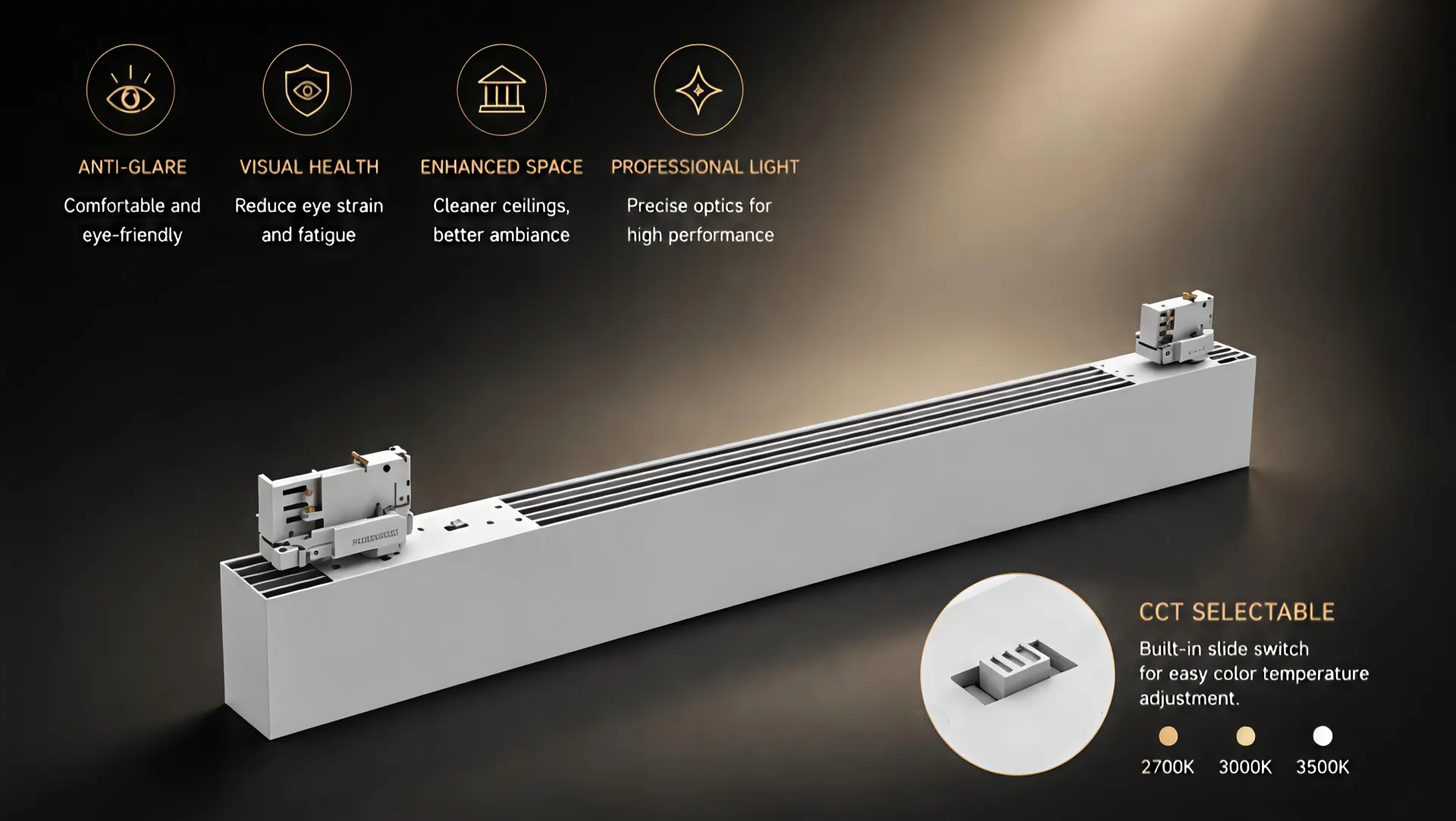
- Anti-glare spotlights
- Adjustable accent fixtures
- Wall washing modules
- Suspended linear pendants
This modular approach allows designers to create layered lighting environments rather than relying on a single harsh overhead source.
For readers interested in the basics of architectural lighting design, the Illuminating Engineering Society provides useful technical guidance on glare control and visual comfort:
Illuminating Engineering Society (IES)
Why Commercial Interior Designers Prefer Architectural Linear Lighting Systems
Over the past few years, commercial interiors have shifted toward:
- minimalist ceilings
- integrated architectural lighting
- low-glare work environments
- hospitality-inspired office spaces
- softer retail atmospheres
As a result, recessed linear track lighting and modular ceiling lighting systems are becoming far more common than exposed decorative fixtures.
Modern businesses now understand that lighting directly affects:
- customer behavior
- employee comfort
- perceived brand quality
- emotional atmosphere
In retail environments, uncomfortable glare can shorten browsing time. In offices, poor lighting can contribute to eye strain and fatigue. In hospitality spaces, harsh lighting immediately destroys the atmosphere designers are trying to create.
That’s why commercial lighting has moved beyond simple brightness calculations.
Today, the focus is on lighting quality.
How Anti-Glare Linear Lighting Improves Visual Comfort
One of the biggest reasons businesses are upgrading to anti-glare linear track lighting is visual comfort.
Many traditional fixtures expose the light source directly to the eye, especially when installed in low ceilings or open commercial environments. This creates discomfort glare, particularly for people working on computers or spending extended periods indoors.
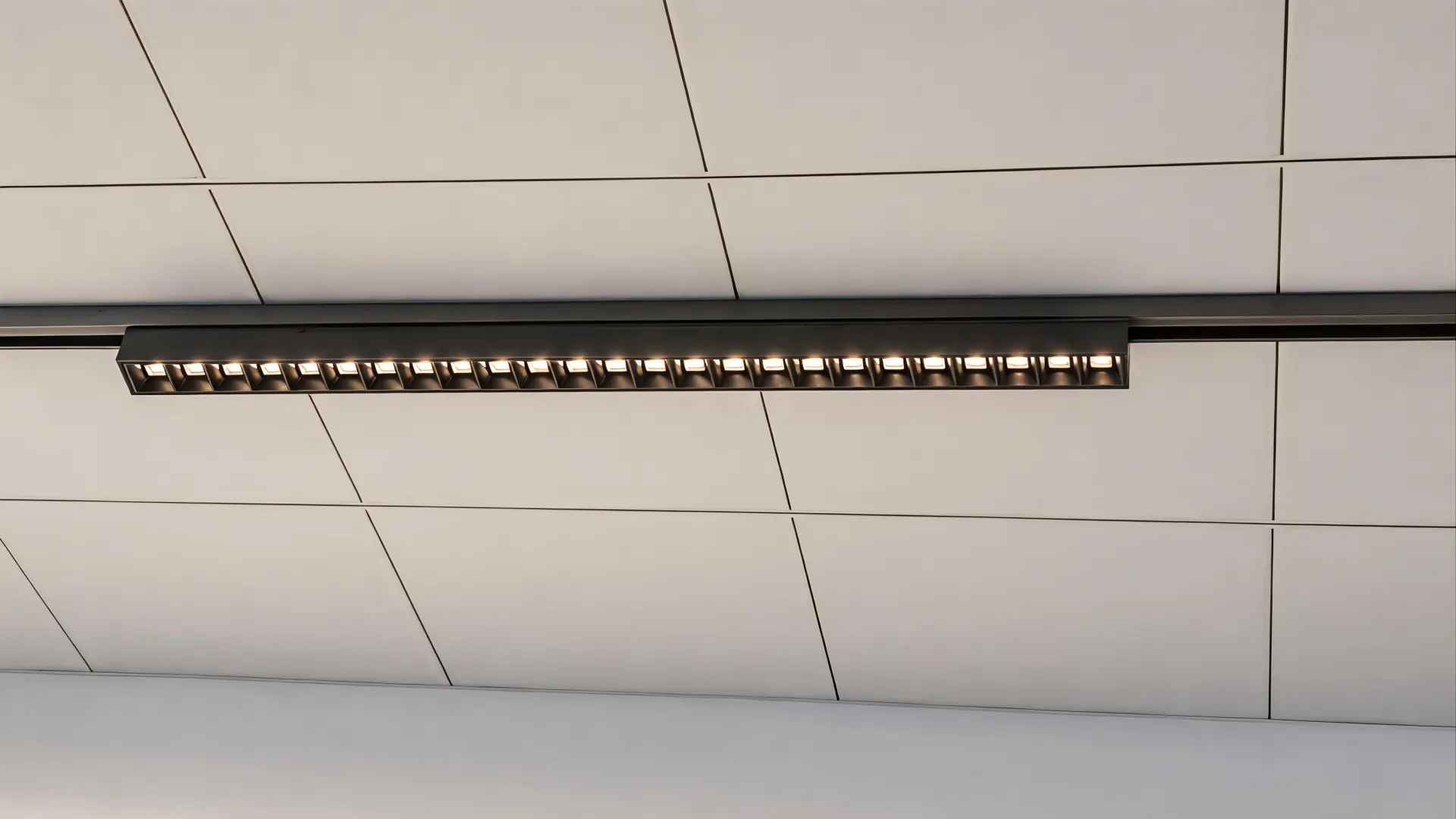
Modern low glare linear lighting fixtures typically use several optical techniques:
Deep Recessed Optics
The LED source is set deeper inside the fixture body, reducing direct visibility from normal viewing angles.
Honeycomb Louvers
Honeycomb anti-glare grids help soften the beam and reduce harsh brightness.
Black Reflector Technology
Dark reflectors absorb excess stray light and improve visual comfort.
Lower UGR Ratings
Many high-end commercial fixtures now target UGR < 19 or even UGR < 13 for offices and premium spaces.
The result is simple:
The space feels bright, but the lighting itself feels calm.
For additional information about workplace lighting and eye comfort, the WELL Building Standard also offers valuable resources related to healthy indoor environments:
Why Flicker-Free Commercial Lighting Matters More Than Ever
Another growing concern in commercial lighting is flicker.
Poor-quality LED drivers often create invisible flicker that may contribute to:
- eye fatigue
- headaches
- reduced concentration
- long-term discomfort
This issue has become increasingly important as people spend more time under artificial lighting during work hours.
High-quality commercial linear lighting fixtures now commonly use:
- constant-current LED drivers
- flicker-free power supplies
- stable dimming systems
For offices, educational environments, and retail stores, flicker-free lighting has become a major purchasing factor rather than a premium upgrade.
High CRI Linear Lighting Creates Better Commercial Environments
Color quality has also become a major part of modern lighting design.
Older LED fixtures often produced flat or unnatural colors that made interiors feel cold or lifeless. Today, many premium commercial projects specify:
- CRI 90+
- CRI 95+
- high R9 values for red color rendering
High color rendering is especially important in:
| Commercial Space | Why High CRI Matters |
| Retail stores | Products appear more vibrant and accurate |
| Restaurants | Food looks richer and more appetizing |
| Offices | Materials and finishes feel more natural |
| Galleries | Artwork colors remain accurate |
| Hospitality spaces | Creates warmer and more inviting interiors |
This is one reason why high CRI track lighting for retail stores has become a fast-growing search trend online.
Popular Applications for Modern Ceiling Track Lighting Systems
Modern commercial projects use modular track lighting in many different ways.
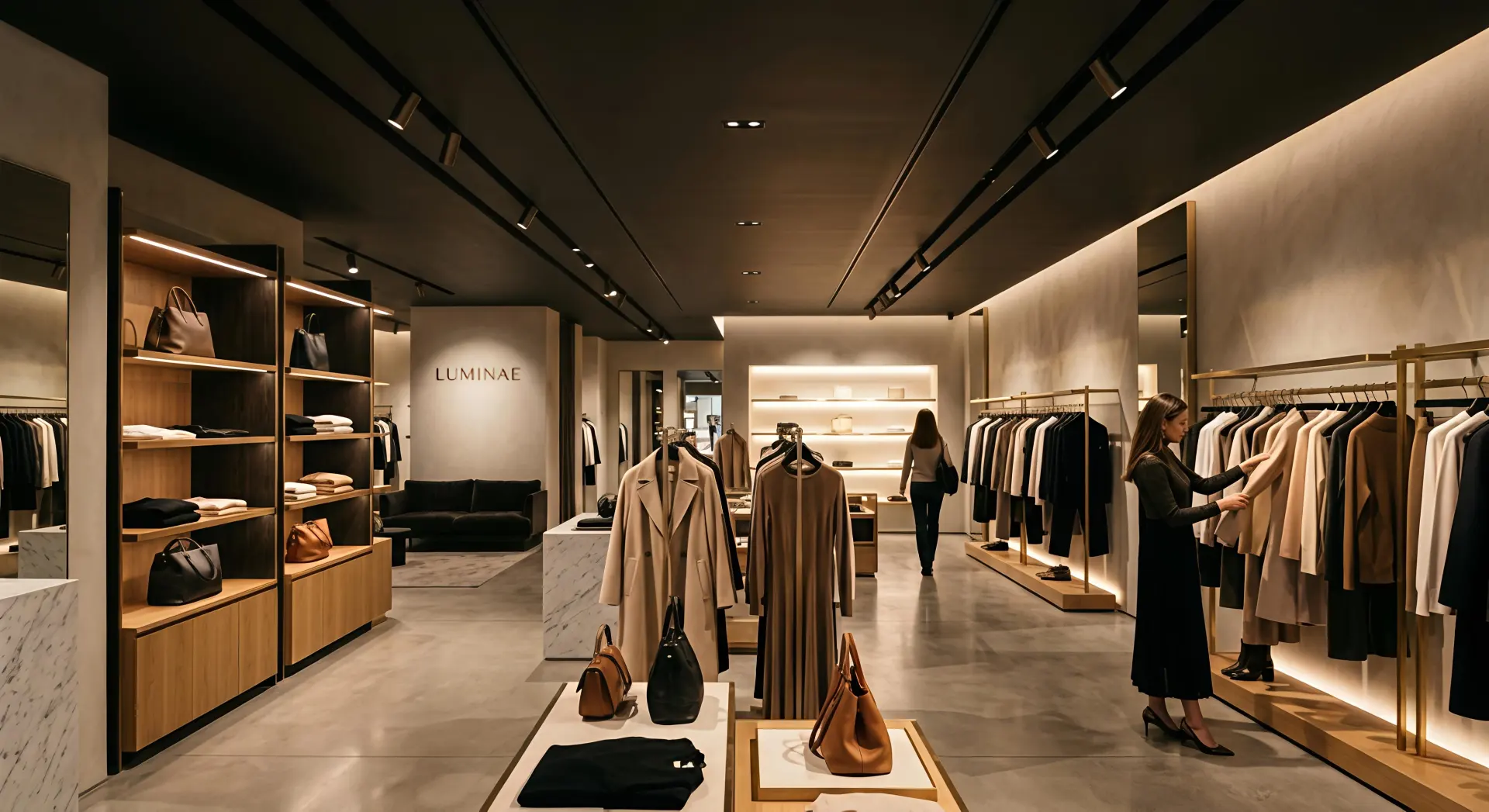
Office Lighting
Many contemporary offices now use linear ceiling lighting for offices because it creates a softer and more balanced working environment compared to traditional panels or downlights.
Recommended setup:
- 4000K neutral white
- linear ambient lighting
- anti-glare task lighting
Retail Lighting
Retail spaces often combine:
- linear general lighting
- adjustable accent spotlights
- wall washing fixtures
This layered approach improves product visibility without overwhelming customers visually.
Hospitality Spaces
Hotels and restaurants increasingly use warm-tone architectural linear lighting to create a relaxed atmosphere while keeping ceilings visually clean.
Showrooms and Galleries
Gallery lighting benefits greatly from low glare track lighting systems because they provide flexibility without visually dominating the space.
How to Choose the Right Modular Linear Lighting System
Not all commercial track systems are designed equally.
When selecting architectural lighting fixtures for commercial projects, several factors matter:
1. Glare Control
Look for:
- recessed optics
- honeycomb louvers
- low UGR ratings
2. Color Rendering
For premium projects, CRI 90+ is usually recommended.
3. Beam Distribution
Different spaces require different beam angles:
- narrow beams for accent lighting
- wide beams for ambient lighting
- wall washing optics for vertical surfaces
4. Installation Type
Modern systems may include:
- recessed track lighting
- surface-mounted track systems
- suspended linear fixtures
5. Dimming Compatibility
Commercial projects increasingly require:
- DALI dimming
- 0-10V dimming
- TRIAC dimming
especially in hospitality and office environments.
The Future of Commercial Lighting Is More Human-Centered
Lighting trends in 2026 clearly show a major shift away from harsh overhead illumination and toward healthier, more architectural lighting environments.
Businesses are realizing that lighting influences much more than visibility.
It affects:
- mood
- productivity
- customer experience
- perceived luxury
- emotional comfort
That’s why modern linear track lighting systems are no longer seen as simple fixtures.
They’ve become part of the architecture itself.
As commercial interiors continue moving toward minimalist aesthetics and human-centered design, modular linear lighting solutions will likely remain one of the strongest trends in architectural lighting for years to come.
FAQ
Q; Are linear track lighting fixtures suitable for offices?
A: Yes. Modern office lighting increasingly uses low-glare linear systems because they provide more comfortable illumination for long working hours and screen-based environments.
Q: What color temperature works best for commercial linear lighting?
A: It depends on the application:
- 3000K for hospitality and restaurants
- 3500K–4000K for offices and retail spaces
Q: Is track lighting outdated in 2026?
A: Traditional exposed spotlights are becoming less popular, but modern architectural track lighting systems are growing rapidly because they fit minimalist commercial interiors.
Q: What is the advantage of anti-glare linear lighting?
A: Anti-glare fixtures reduce visual discomfort, eye fatigue, and harsh brightness while maintaining comfortable illumination levels.
Q: What is considered a good CRI for commercial lighting?
A: Most premium commercial projects now prefer CRI 90+ fixtures, especially for retail, hospitality, and gallery applications.

