



Does Dimmable Track Lighting Reduce Electricity Costs in Australia?
By Vincent
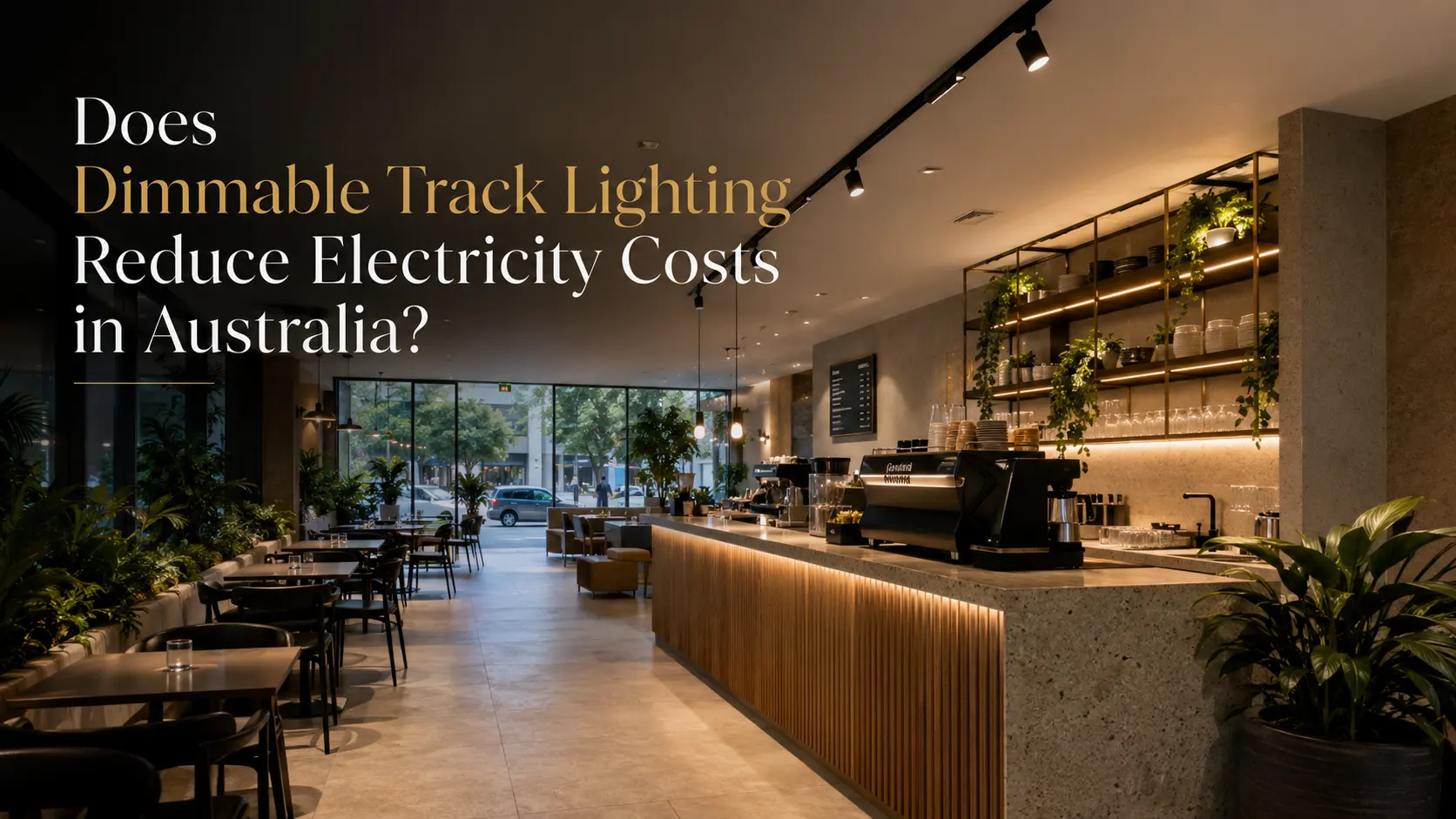
As commercial electricity prices continue to rise across Australia, more business owners are rethinking how their lighting systems affect long-term operating costs. From boutique retail stores in Sydney to hospitality venues in Melbourne and large automotive showrooms in Brisbane, reducing energy consumption has become a major priority for commercial projects.
In this shift toward smarter and more energy-efficient interiors, dimmable track lighting is becoming increasingly common in modern Australian lighting design. Once considered a premium feature mainly used for ambience, adjustable LED track systems are now being adopted for a much more practical reason: lowering electricity bills while improving visual comfort and lighting flexibility.
But does dimming actually reduce power usage in real commercial environments, or is it simply another architectural trend? The answer depends on the quality of the lighting system, the dimming protocol, and how the space is used throughout the day.
This article explores how modern dimmable LED track systems help Australian commercial spaces reduce energy costs, improve lighting efficiency, comply with building regulations, and create more comfortable environments for customers and staff.
Why Adjustable Track Lighting Is Growing Across Australian Commercial Spaces
Commercial lighting trends in Australia have changed significantly over the past few years.
Traditional retail and office lighting focused mainly on brightness and uniform illumination. Today, architects and lighting designers are placing greater emphasis on:
- visual comfort
- energy efficiency
- flexible lighting control
- architectural aesthetics
- customer experience
This is especially noticeable in cafés, restaurants, fashion retail stores, galleries, and hospitality projects where lighting plays a major role in shaping the atmosphere of a space.
Modern track-mounted lighting systems allow businesses to adjust brightness depending on:
- time of day
- natural daylight levels
- customer traffic
- merchandising displays
- operational schedules
Instead of running at full output all day, commercial spaces can adapt lighting levels to actual usage conditions.
This flexibility is one reason why searches for terms like:
- anti glare dimmable track lighting
- LED track lighting for retail stores
- commercial dimmable lighting systems
- energy efficient track lighting Australia
have steadily increased in recent years.
How Modern LED Track Lighting Dimming Actually Saves Electricity
One of the biggest misconceptions about dimming is the idea that lowering brightness does not significantly reduce energy consumption.
That may have been partially true decades ago with fluorescent or halogen technology, but modern LED lighting systems operate very differently.
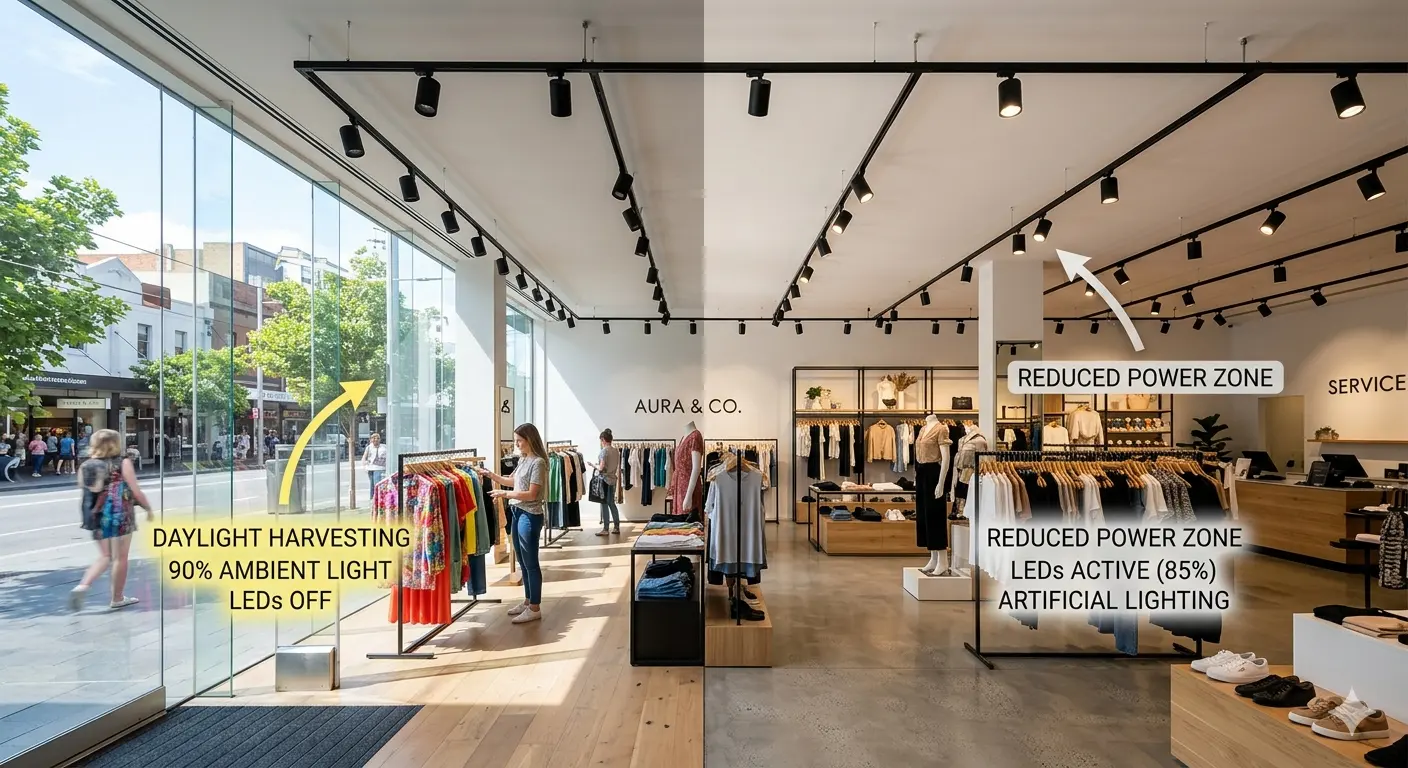
Dimmable LED Track Fixtures Reduce Power Output Along With Brightness
Modern LED track systems use advanced dimmable drivers that regulate power delivery to the LED chips. Depending on the system, this may involve:
- PWM dimming
- constant current reduction (CCR)
- DALI-2 control
- 0-10V dimming
- phase-cut dimming
When light output is reduced to 50%, the fixture typically consumes substantially less power as well.
For Australian businesses operating long trading hours, this creates meaningful energy savings over time.
For example:
| Commercial Scenario | Lighting Behaviour | Potential Energy Benefit |
|---|---|---|
| Retail stores with large windows | Lower brightness during daylight hours | Reduced daytime power usage |
| Restaurants and cafés | Softer evening lighting scenes | Lower evening energy demand |
| Offices with smart controls | Adaptive brightness based on occupancy | Reduced unnecessary lighting |
| Galleries and showrooms | Scene-based illumination | Better lighting efficiency |
Lower Lighting Heat Also Reduces HVAC Cooling Costs
Australia’s climate creates another important factor: cooling demand.
In many commercial spaces across Queensland, Western Australia, and other warm regions, HVAC systems already consume a large percentage of building energy.
Lighting contributes additional heat into the environment.
When LED fixtures operate at lower output levels:
- thermal load decreases
- room temperature rises more slowly
- air conditioning systems work less aggressively
This creates a secondary energy-saving effect that many businesses overlook.
Instead of reducing only lighting costs, dimming can also help reduce cooling expenses during long Australian summers.
Why Anti Glare Track Lighting Matters in Modern Australian Design
Lighting performance today is no longer measured only by brightness.
Australian commercial interiors increasingly focus on:
- visual comfort
- wellness-oriented spaces
- glare reduction
- human-centric lighting
Many older LED systems produce excessive glare, especially in offices and hospitality environments where customers and employees spend extended periods under artificial lighting.
This has led to growing demand for:
- anti glare LED track lighting
- flicker free dimmable lighting
- low UGR commercial lighting
- visual comfort lighting solutions
Modern commercial track lighting systems often include:
- deep recessed optics
- honeycomb anti-glare accessories
- low-glare reflectors
- precision beam control
These features help create softer and more comfortable environments while maintaining strong lighting performance.
This trend also aligns with the increasing popularity of wellness lighting and human-centric lighting concepts in Australia.
For reference, the Australian Building Codes Board provides guidance related to energy efficiency and lighting compliance through the NCC framework:
Australian Building Codes Board (NCC)
How Smart Dimmable Lighting Supports NCC Section J6 Compliance
Energy regulations have become a major consideration for Australian commercial projects.
Under the National Construction Code (NCC), Section J6 sets strict limits on lighting power density for commercial buildings.
For many retail and hospitality projects, achieving premium lighting quality while staying within energy limits can be difficult.
This is where intelligent lighting control systems become valuable.
Daylight Harvesting Improves Lighting Efficiency
Track fixtures positioned near windows or skylights can automatically dim based on natural daylight levels.
This process, commonly known as daylight harvesting, reduces unnecessary power usage during daytime hours.
DALI and Smart Scene Control Reduce Operating Costs
Modern lighting systems can automatically switch between preset scenes depending on:
- trading hours
- occupancy
- cleaning schedules
- ambient light levels
As a result, many Australian commercial projects now integrate:
- DALI-2 systems
- KNX controls
- Dynalite systems
- Clipsal C-Bus integration
These systems help projects improve energy performance while supporting Green Star and NABERS sustainability targets.
More information about Australian sustainability ratings can be found here:
Green Building Council Australia (Green Star)
Traditional Track Lighting vs Modern Dimmable LED Track Systems
The difference between older fixed-output lighting and modern dimmable LED track systems has become increasingly noticeable in commercial applications.
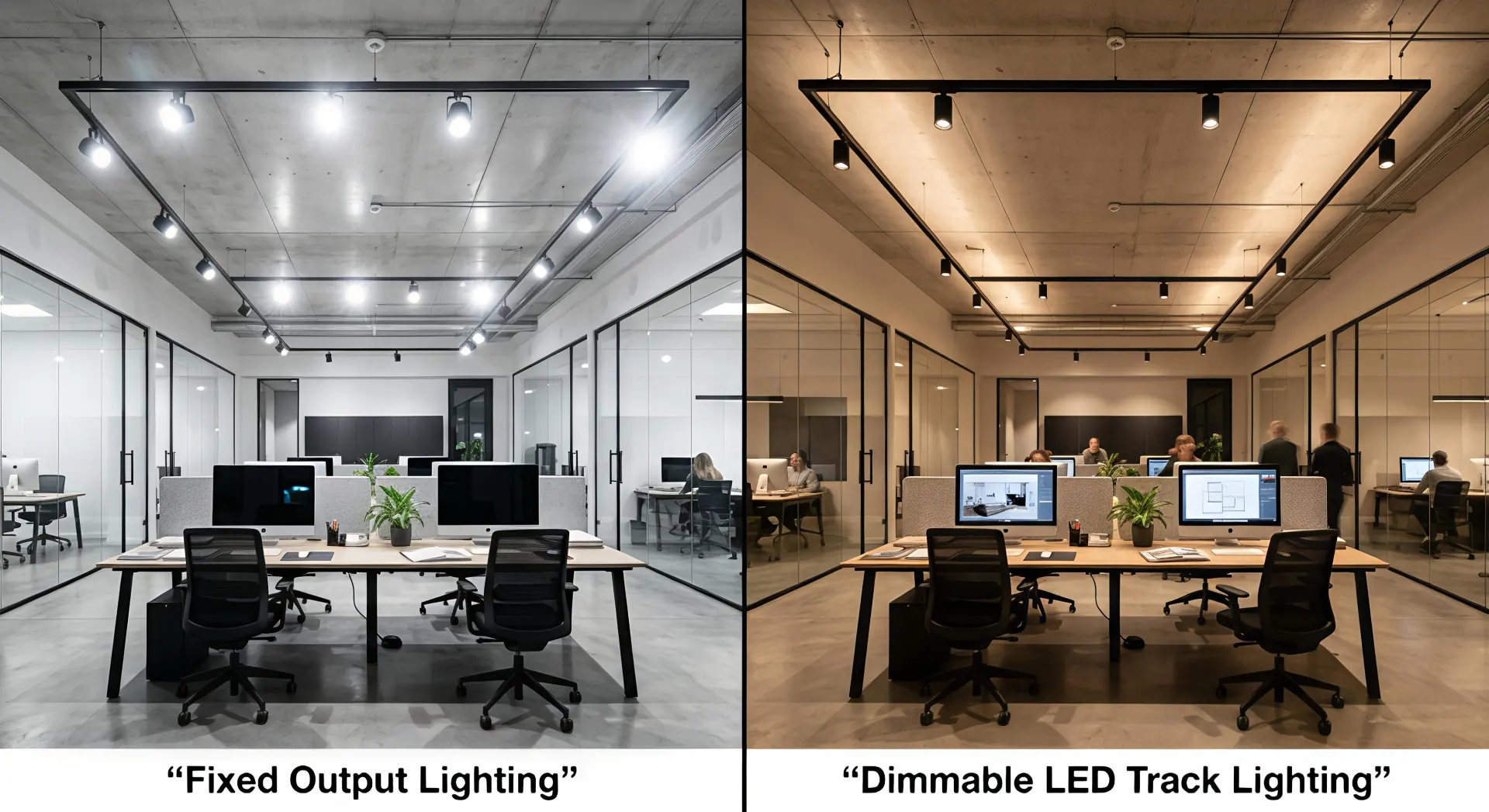
| Performance Category | Standard Fixed Track Lighting | Modern Dimmable LED Track System |
| Energy Efficiency | Moderate | High efficiency LED output |
| Lighting Flexibility | Fixed brightness only | Scene control and adaptive dimming |
| Visual Comfort | Higher glare levels | Low glare optical control |
| Smart Control Compatibility | Limited | DALI-2 / 0-10V / KNX compatible |
| Maintenance Costs | Higher long-term servicing | Reduced thermal stress and longer lifespan |
| Commercial Compliance | Basic compliance only | Better support for NCC energy targets |
For businesses planning long-term commercial upgrades, modern dimmable LED track systems are increasingly viewed as a better investment than traditional fixed-output fixtures.
Why Dimming Can Extend the Lifespan of LED Track Fixtures
One of the largest operating expenses in Australia is labour.
Replacing failed lighting fixtures in retail and hospitality spaces often requires licensed electricians, and service costs can quickly add up.
LED lifespan is heavily influenced by heat.
When fixtures constantly operate at full output:
- driver temperatures remain higher
- LED chips experience more stress
- long-term degradation accelerates
Operating lighting systems at moderate brightness levels helps reduce thermal stress on both the LEDs and drivers.
High-quality commercial fixtures also typically include:
- aluminium housings
- improved thermal management
- flicker-free drivers
- stable dimming electronics
This combination helps reduce maintenance frequency and improve long-term reliability.
Real Commercial Applications for Dimmable LED Track Systems in Australia
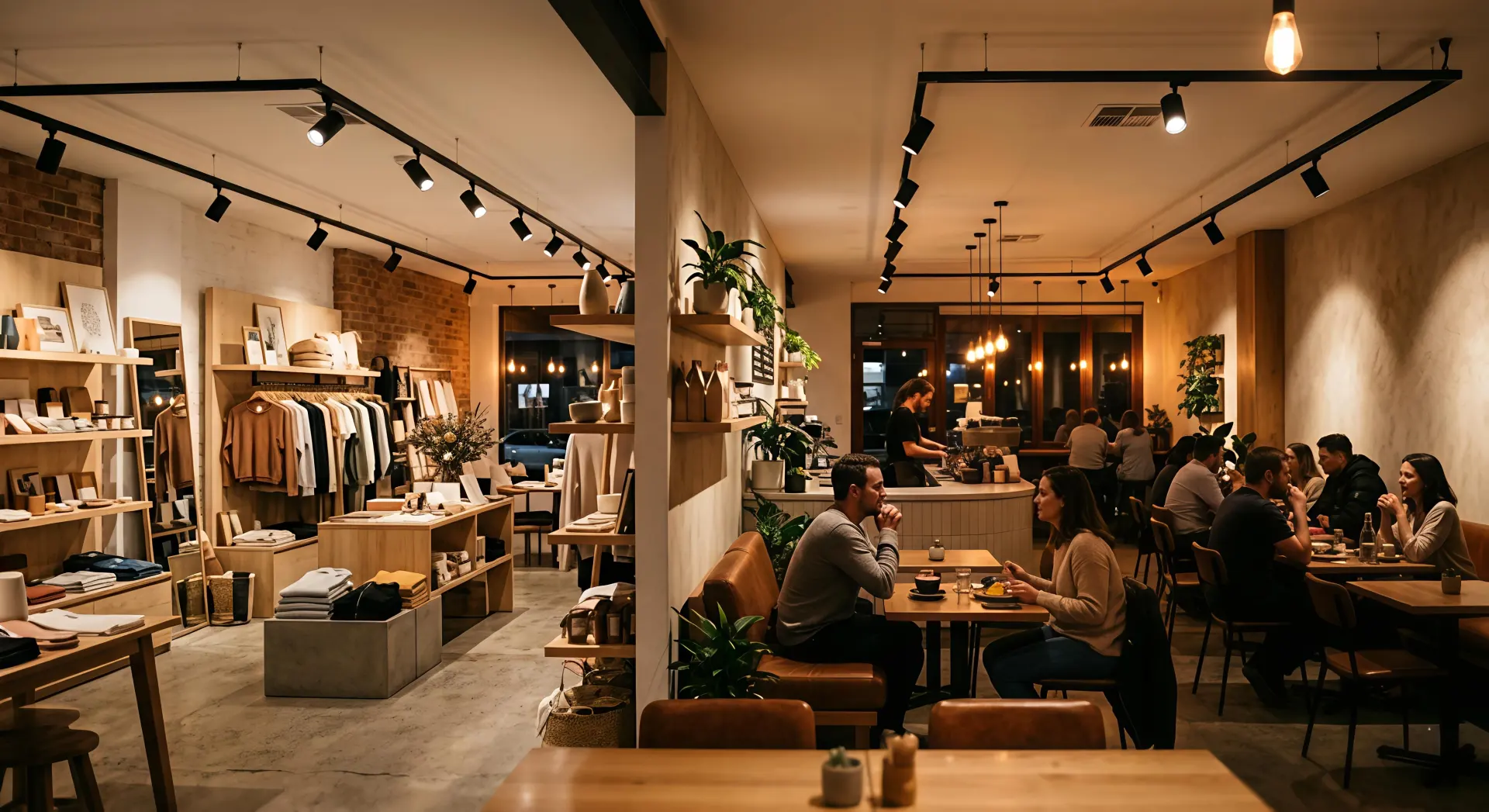
Retail Stores and Luxury Boutiques
Retail spaces often need different lighting levels throughout the day.
Daylight harvesting systems can reduce lighting output near storefront windows during bright afternoon hours while maintaining strong accent lighting for merchandise displays.
This approach helps reduce energy usage while preserving visual presentation quality.
Hospitality and Café Lighting
Australian café culture places strong emphasis on atmosphere.
Warm dimming systems allow hospitality venues to create softer evening environments without sacrificing lighting quality.
This is especially important in modern hospitality interiors where ambience directly affects customer experience.
Automotive Showrooms and Modern Offices
Large commercial spaces such as car dealerships and open-plan offices increasingly use tunable white lighting systems.
These systems can adjust both brightness and colour temperature depending on:
- time of day
- occupancy
- workplace activity
Human-centric lighting strategies are becoming more common as businesses focus on employee comfort and wellness.
Choosing the Right Commercial Dimmable Lighting System
When selecting track-mounted lighting for Australian commercial projects, businesses should look beyond basic brightness specifications.
Important considerations include:
- DALI-2 compatibility
- flicker-free dimming performance
- low glare optics
- CRI90+ colour rendering
- thermal management quality
- SAA and RCM certification
Australian electrical compliance standards are strict, and certified systems are essential for commercial installations.
FAQ
Does dimmable track lighting really reduce electricity bills?
Yes. Modern LED dimming systems reduce actual power consumption when brightness levels are lowered, especially in commercial spaces with long operating hours.
Can dimming also reduce air conditioning costs?
In many Australian commercial spaces, yes. Lower lighting output generates less heat, which can reduce HVAC cooling demand.
Is DALI better than standard dimming for commercial projects?
For larger retail, hospitality, and office applications, DALI systems generally offer better flexibility, scene control, and energy management.
Are all LED track lights dimmable?
No. Some fixtures are fixed-output only. Always confirm compatibility between the fixture, driver, and dimming control system before installation.
Why is anti glare lighting becoming more important?
Businesses are increasingly prioritising visual comfort, employee wellbeing, and customer experience. Low-glare lighting helps create more comfortable commercial environments.
Final Thoughts
In Australia’s increasingly energy-conscious commercial market, lighting is no longer just about illumination.
Modern dimmable track lighting systems help businesses:
- reduce electricity consumption
- improve visual comfort
- lower maintenance costs
- support NCC compliance
- create more flexible commercial environments
For retail stores, hospitality venues, offices, and architectural interiors, smart dimmable lighting is becoming a long-term investment rather than a luxury feature.
As Australian commercial design continues moving toward wellness-focused and energy-efficient spaces, low-glare intelligent track lighting is likely to become an even more important part of future lighting strategies.

