



The Future of Sustainable Design: Why Modular Commercial Lighting Solutions Dominate in 2026
By Vincent
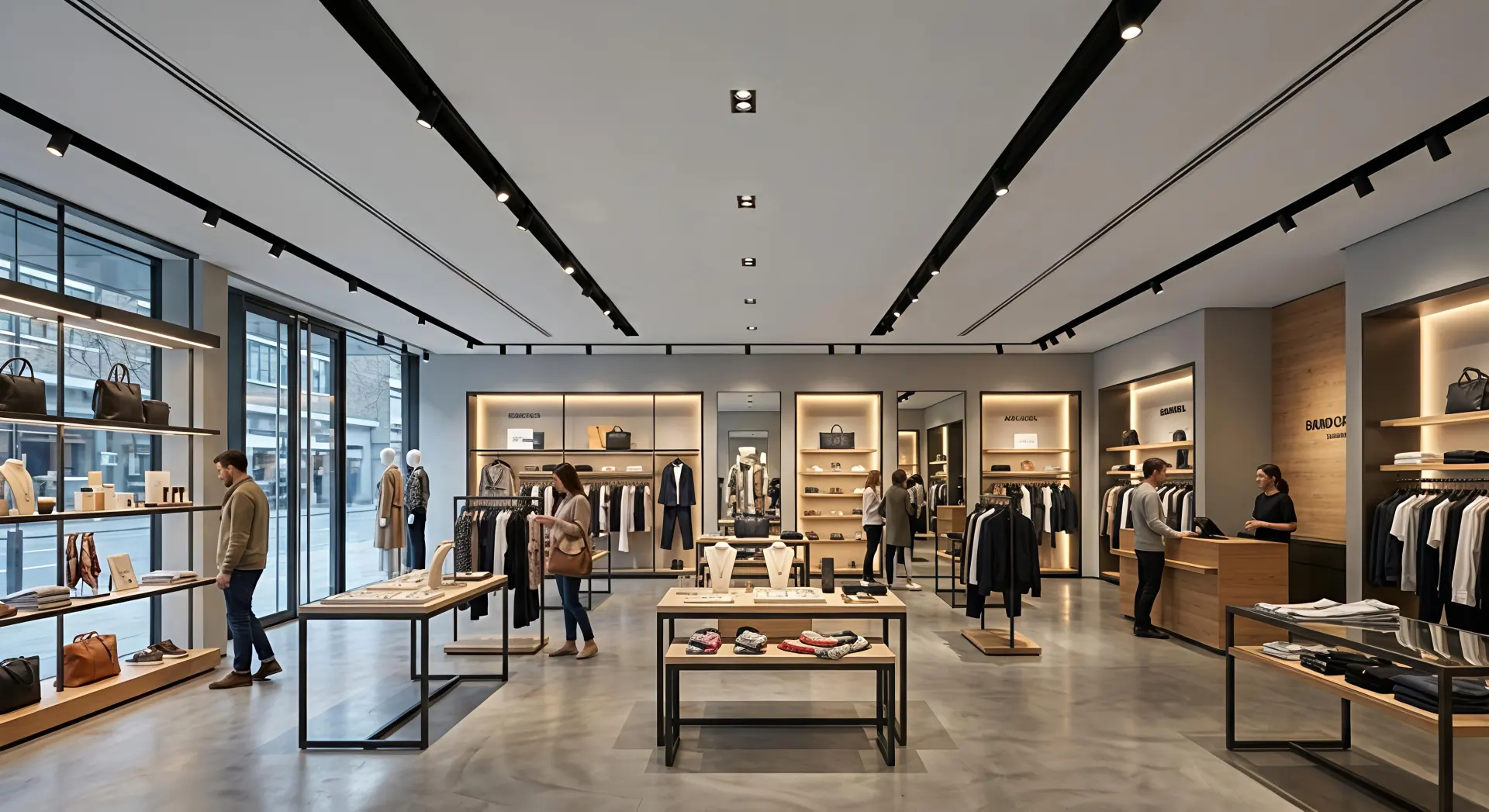
Looking ahead from 2026, the lighting industry has undergone a fundamental transformation—from single, fixed luminaires to long-term, serviceable building assets. Under tightening global carbon policies and stricter regulations such as the EU’s Right to Repair and WEEE directives, Modular Commercial Lighting Solutions have emerged as a practical and future-proof approach.
In modern commercial environments—especially retail stores, offices, and mixed-use developments—lighting is no longer just about illumination. It plays a key role in brand presentation, operational efficiency, and sustainability compliance. Traditional integrated track lights and downlights, once dominant, are gradually losing ground due to limited flexibility, difficult maintenance, and compliance challenges.
By contrast, modular systems built around track lights and downlights offer a more adaptable, upgradeable, and circular solution—making them the defining trend of commercial lighting in 2026.
The Shift Toward Sustainable Commercial Lighting Design
The global lighting market has entered a new phase driven by sustainability and compliance. Regulations such as the EU Carbon Border Adjustment Mechanism (CBAM), alongside green building standards like
WELL Building Standard and
Green Star
are reshaping how lighting systems are specified.
For deeper reference, you can review the official framework here:
👉 https://www.wellcertified.com/
At the same time, the EU’s Right to Repair legislation and WEEE directive are pushing manufacturers to design products that are repairable, disassemblable, and recyclable. These requirements are no longer optional—they are market entry conditions.
On the application side, commercial spaces are evolving faster than ever. Retail layouts change frequently, office environments adapt to hybrid work, and hospitality projects continuously upgrade guest experiences. Lighting systems must now keep pace with these changes.
This is where modular lighting systems stand out.
What Defines a Modular Lighting System in Commercial Projects
A modular lighting system breaks a luminaire into standardized, interchangeable components. Instead of replacing an entire fixture, individual parts can be upgraded or serviced independently.
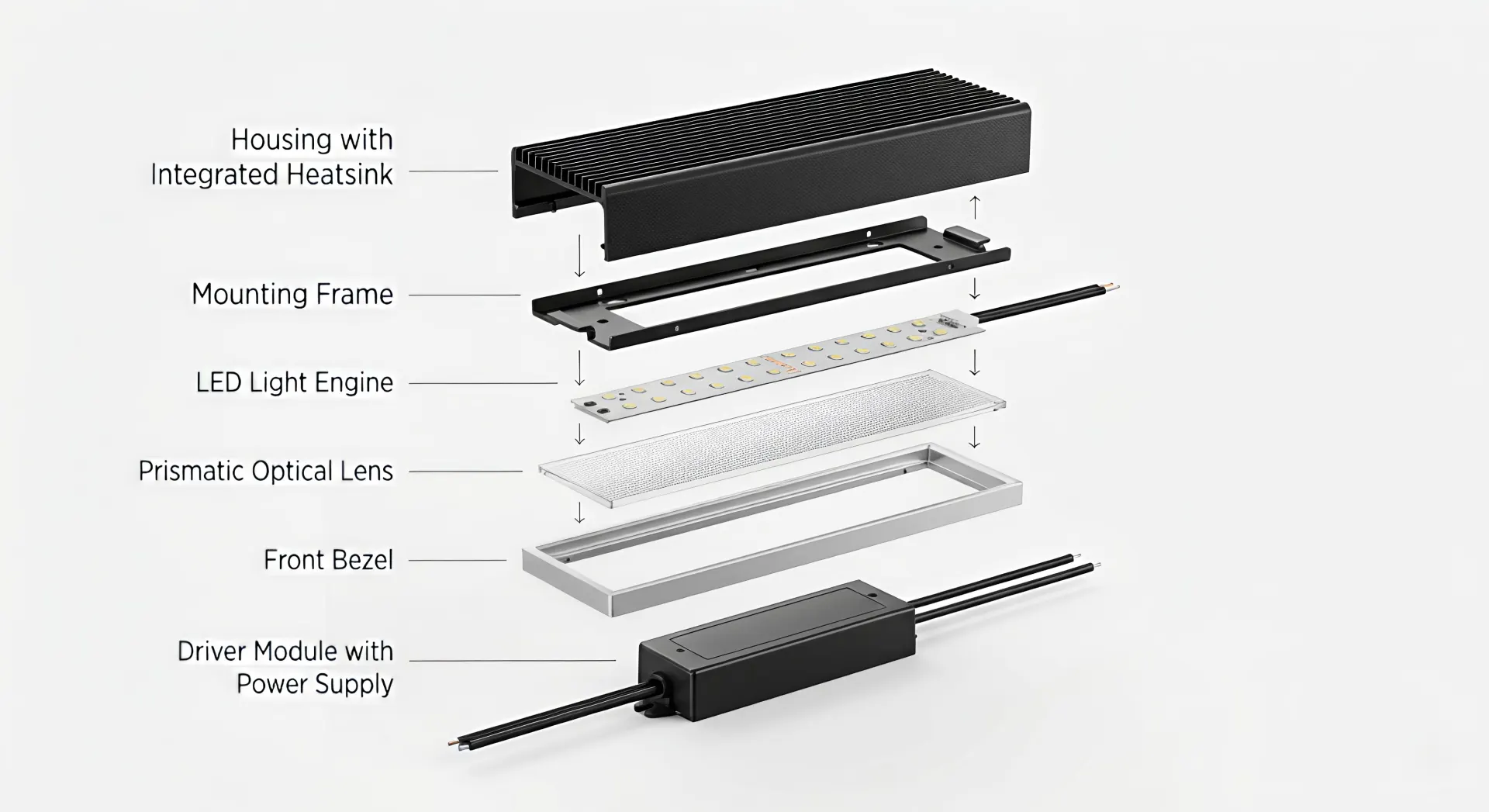
| Module Type | Function | Benefit |
|---|---|---|
| Light Engine | Provides illumination | Easy upgrade for efficiency or CRI |
| Driver Module | Controls power | Replaceable, supports smart upgrades |
| Optical Module | Beam shaping & glare control | Flexible lighting design |
| Housing / Mounting | Structural base | Long lifespan, reusable |
Core Modular Structure
This structure applies to both modular track lighting systems and modular recessed downlights, allowing designers to create flexible and scalable lighting setups.
Why Modular Commercial Lighting Solutions Dominate in 2026
Flexibility for Rapidly Changing Spaces
Retail and commercial environments demand constant adaptation. Modular track lighting allows fixtures to be repositioned, replaced, or upgraded without rewiring or ceiling modifications.
For example:
- Move spotlights along the track
- Swap beam angles without replacing the fixture
- Add linear modules for ambient lighting
This flexibility is essential for modern retail lighting design.
Lower Total Cost of Ownership
Unlike traditional fixtures, modular lighting reduces lifecycle costs significantly.
| Cost Factor | Traditional Lighting | Modular Lighting |
|---|---|---|
| Replacement | Entire fixture | Only faulty module |
| Maintenance | Complex | Tool-less |
| Inventory | Multiple SKUs | Standardized components |
| Upgrade | Full replacement | Partial upgrade |
This makes modular systems ideal for large-scale commercial projects and chain stores.
Simplified Maintenance and Upgradability
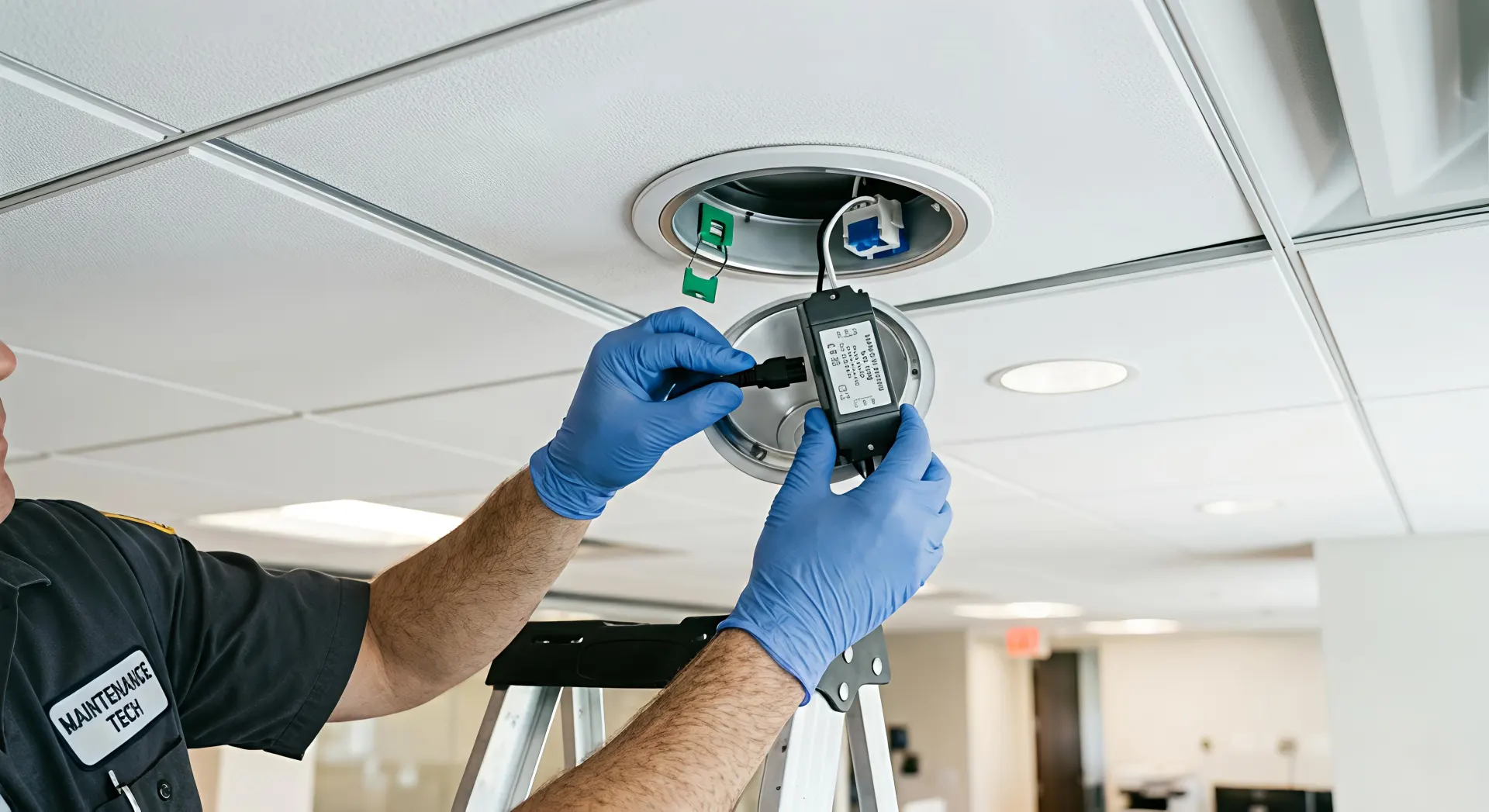
Driver failure accounts for most lighting issues. With modular design:
- Drivers can be replaced independently
- Light engines can be upgraded as LED technology improves
- Maintenance can be done without dismantling ceilings
This is especially valuable in high-labor-cost regions.
Sustainability and Reduced Waste
Modular lighting aligns perfectly with circular economy principles.
According to
European Commission guidelines on sustainable products:
👉 https://environment.ec.europa.eu/
Key advantages include:
- Reduced electronic waste
- Higher material recyclability
- Longer product lifespan
Instead of discarding entire fixtures, only components are replaced—significantly lowering environmental impact.
Applications of Modular Lighting in Commercial Environments
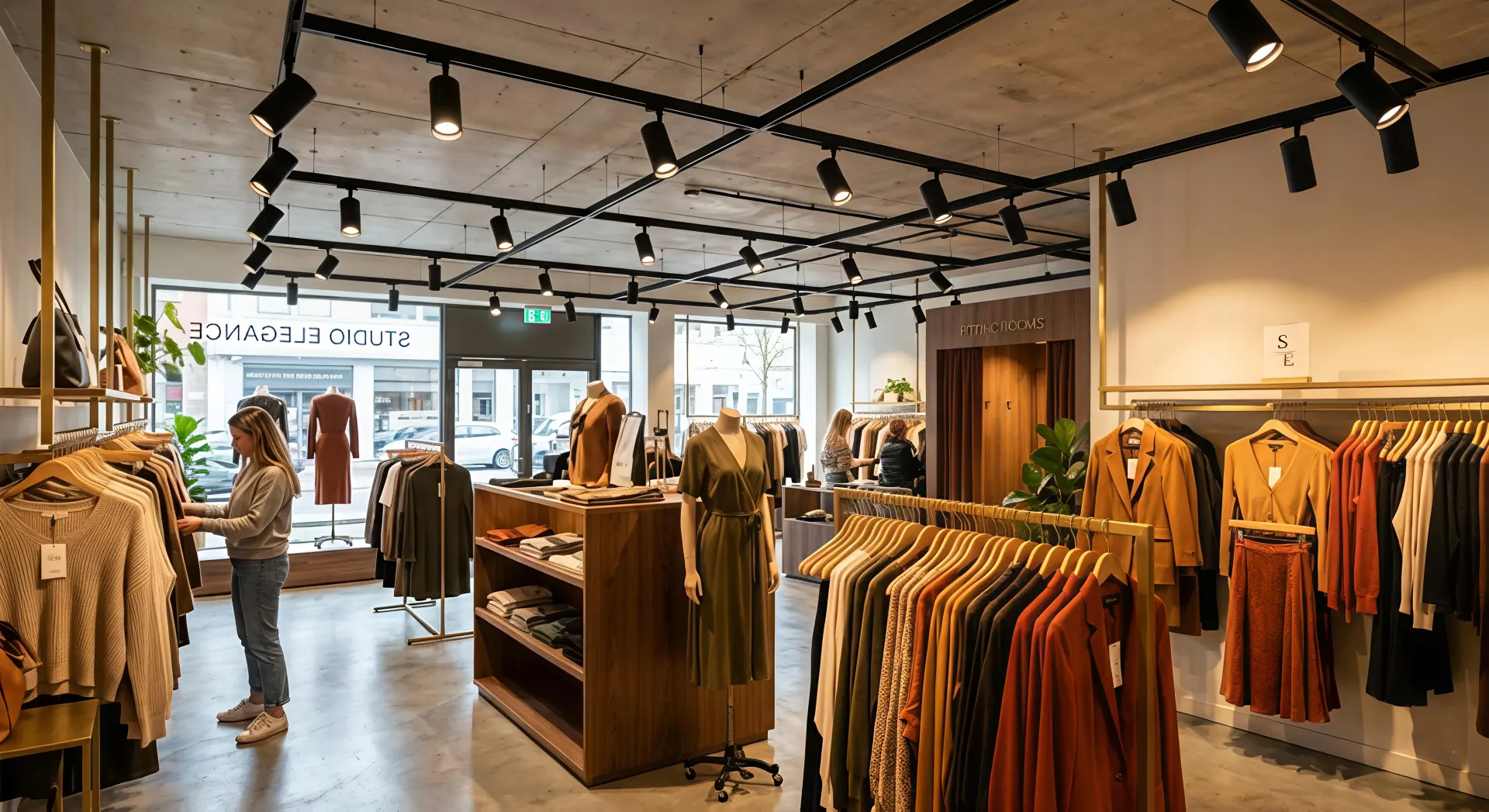
Retail Lighting (Modular Track Lighting Systems)
- Adjustable spotlighting for merchandise
- High CRI modules for luxury goods
- Spectrum tuning for fresh food displays
Long-tail keyword: modular lighting for retail stores
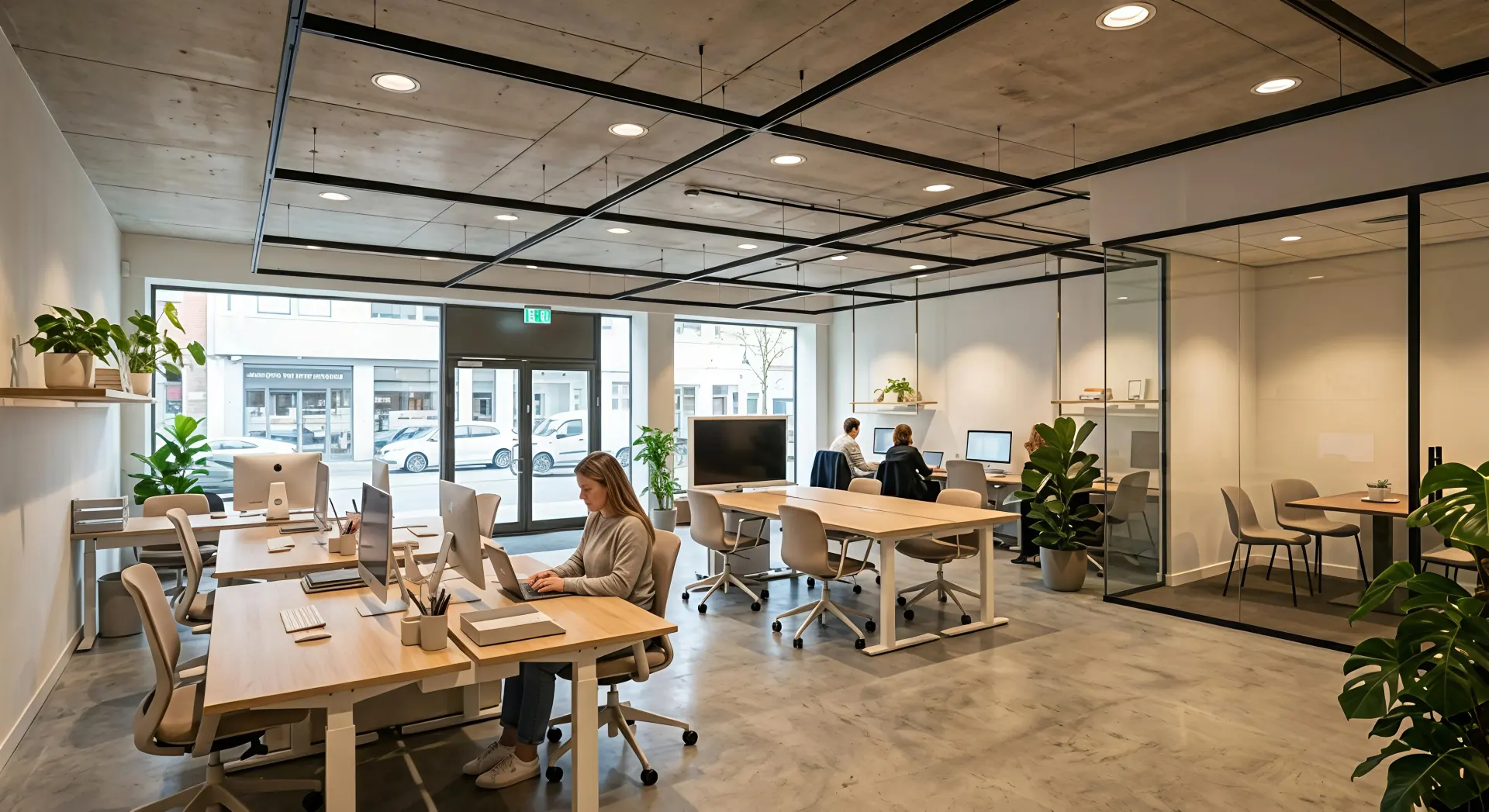
Office Lighting (Modular Downlights + Track Lights)
- Anti-glare downlights for workspaces
- Smart sensors for energy savings
- Tunable white for human-centric lighting
Long-tail keyword: modular lighting for office spaces
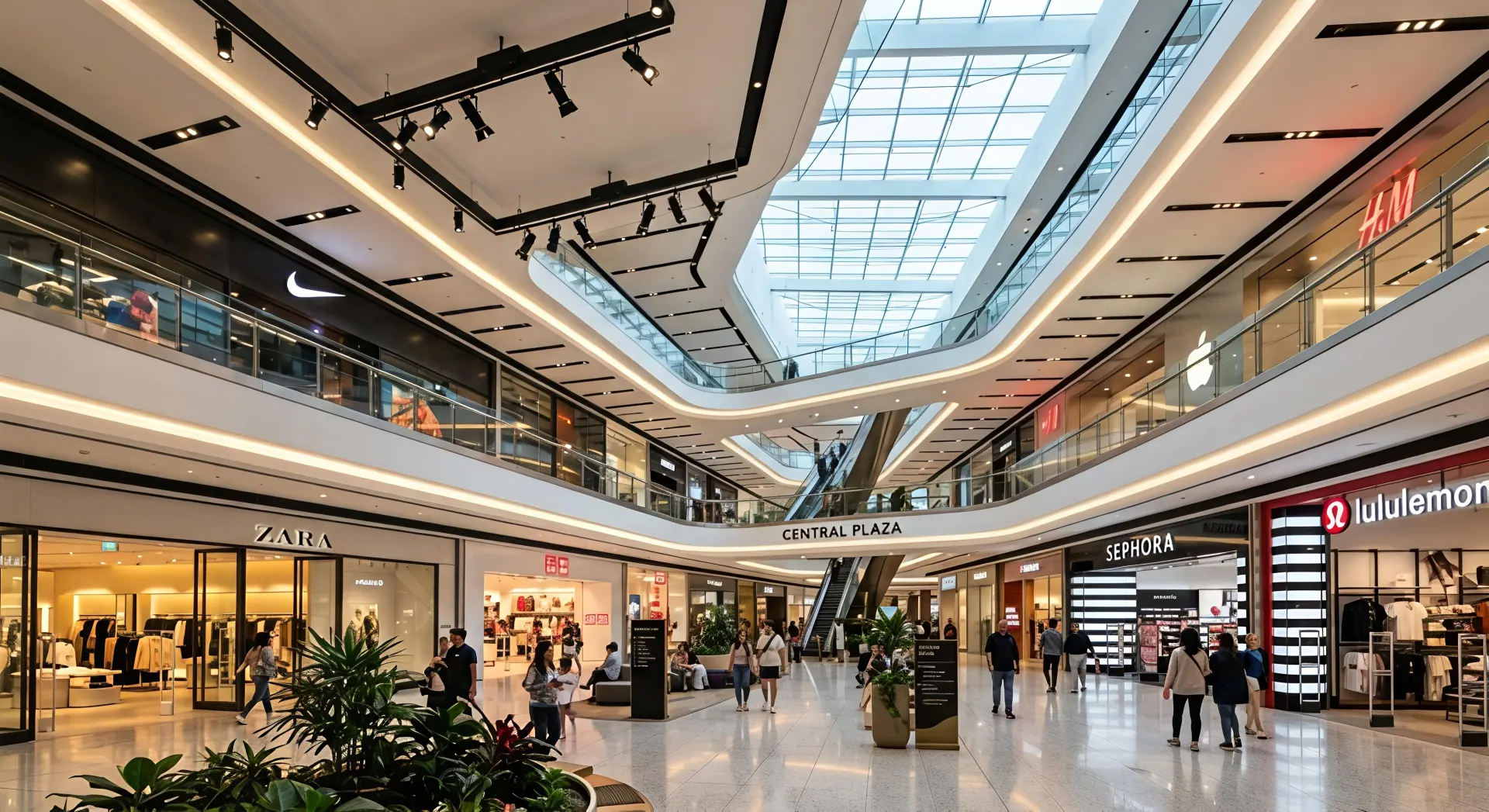
Shopping Malls and Commercial Complexes
- Scalable lighting systems
- Easy upgrades for tenant changes
- Integrated smart control systems
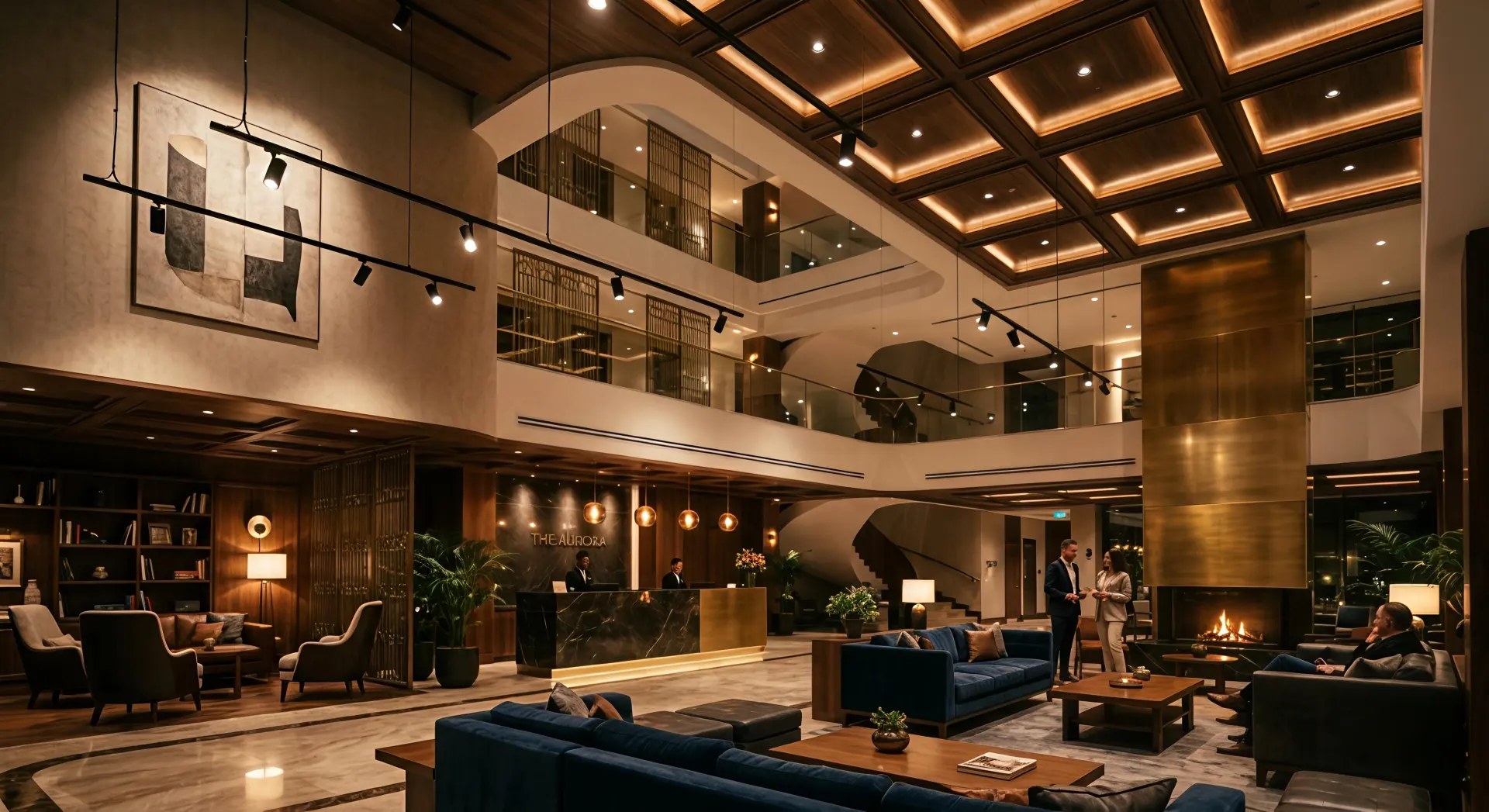
Hospitality and Hotel Lighting
- Warm lighting for guest comfort
- Replaceable modules for maintenance
- Scene-based lighting control
Modular Track Lights and Downlights in Practice
In real projects, modular lighting systems are typically built around two core product types:
Modular Track Lighting
- Magnetic or standard track systems
- Interchangeable spotlight, linear, and flood modules
- Flexible positioning and beam adjustment
Modular Recessed Downlights
- Fixed base installed in ceiling
- Replaceable light engine and driver
- Anti-glare and directional options
This combination allows designers to balance functional lighting and accent lighting across different zones.
How to Choose the Right Modular Lighting System
When selecting a modular solution, consider the following:
- Compatibility: Standardized interfaces across modules
- Scalability: Ability to expand or upgrade
- Control Systems: Support for DALI-2, Bluetooth Mesh
- Installation Type: Track vs recessed vs surface
- Maintenance Access: Tool-less replacement
Choosing the right system ensures long-term performance and cost efficiency.
The Future of Modular Lighting Beyond 2026
Looking ahead, modular lighting will continue evolving in four key directions:
- Smarter systems: Integration with IoT and AI
- Human-centric lighting: Circadian rhythm support
- Standardization: Cross-brand compatibility
- Lower carbon footprint: Increased use of recycled materials
Modular lighting is no longer just a design trend—it is becoming the industry standard.
Conclusion
In 2026, sustainability, flexibility, and compliance define the future of commercial lighting. Modular systems built around track lights and downlights are no longer optional—they are essential.
By enabling easier maintenance, reducing waste, and supporting smart upgrades, Modular Commercial Lighting Solutions provide a clear path forward for both manufacturers and project developers.
For businesses aiming to stay competitive in global markets, adopting modular lighting is not just a technical choice—it is a strategic decision.

