



Tunable White Lighting: The Future of Human-Centric Commercial Lighting
By Vincent
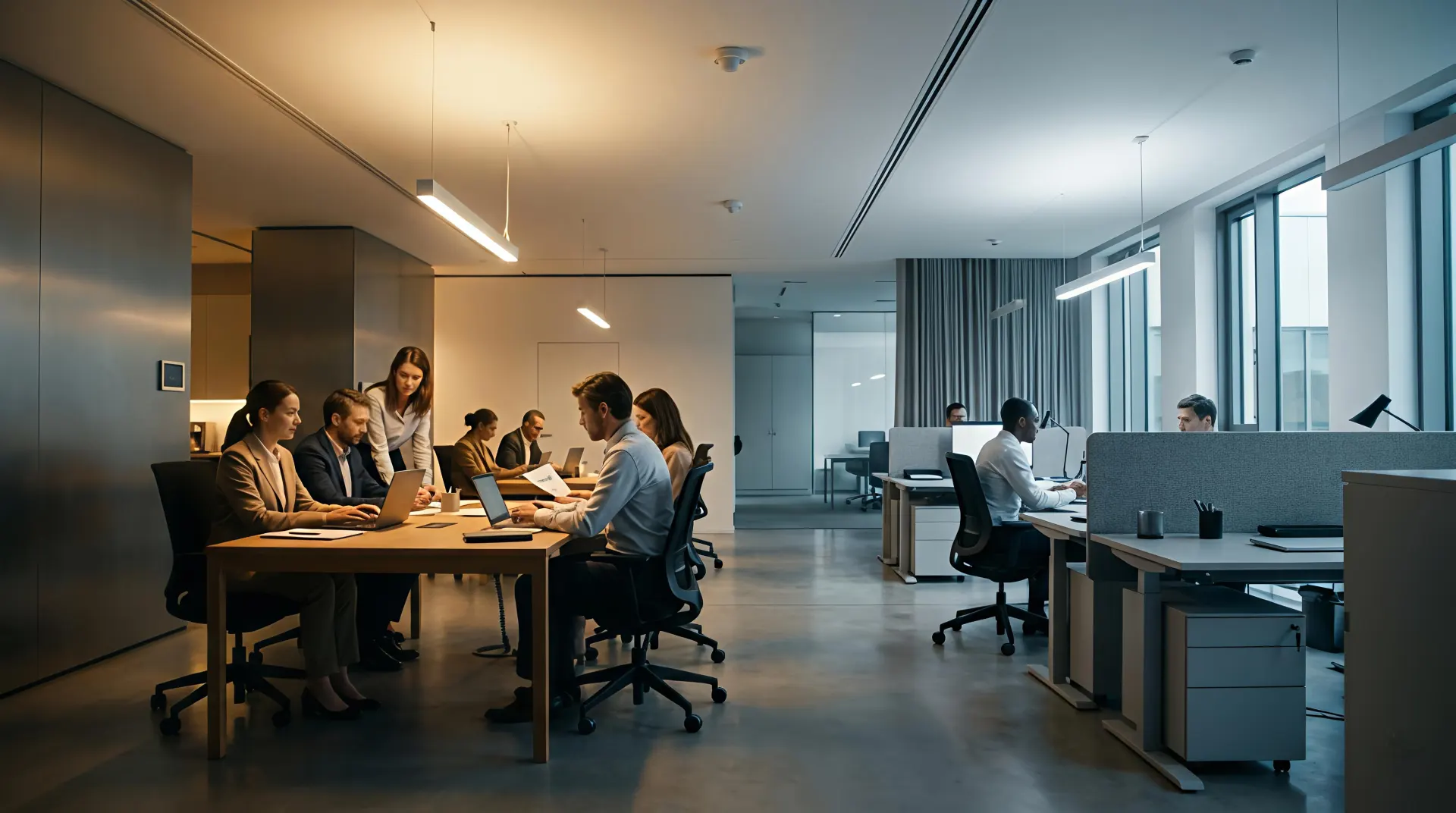
Modern commercial lighting is no longer just about making spaces brighter. Today, lighting plays a direct role in how people feel, work, focus, relax, and even sleep. As awareness of wellness-focused design continues to grow, tunable white lighting has become one of the most important technologies shaping the future of human-centric commercial spaces.
From offices and retail stores to hotels and healthcare environments, businesses are increasingly looking for lighting systems that can adapt to human needs instead of forcing people to adapt to static artificial light. By dynamically adjusting color temperature throughout the day, Tunable White Lighting helps create healthier, more comfortable, and more productive indoor environments.
According to the International WELL Building Institute, lighting designed around human circadian rhythms is becoming a key part of modern wellness-oriented architecture. At the same time, organizations such as the Lighting Research Center continue to publish studies showing how dynamic lighting impacts mood, alertness, and visual comfort.
What Is Tunable White Lighting?
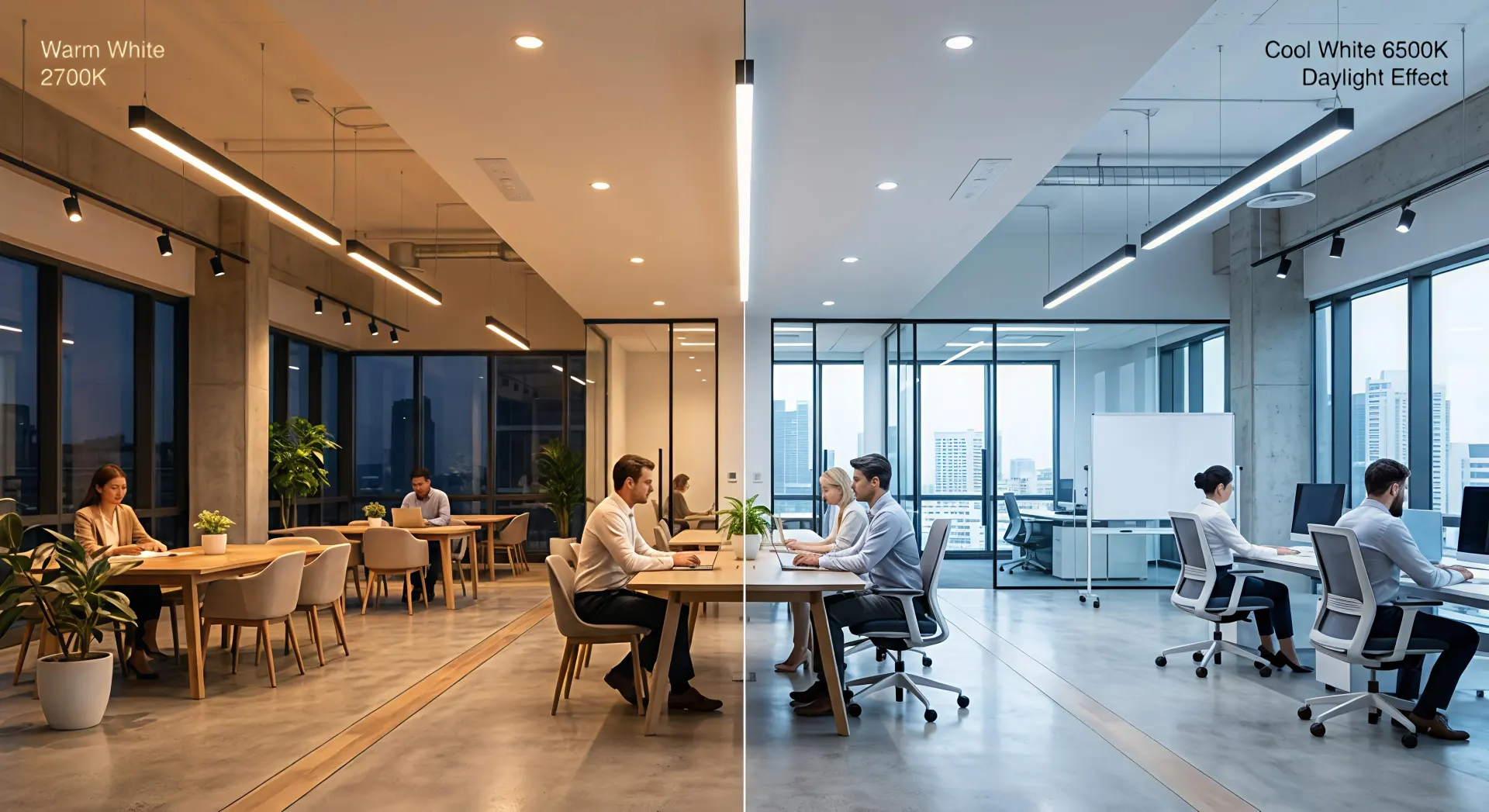
It refers to a lighting system that allows users to adjust color temperature dynamically, typically from warm white light around 2700K to cool daylight tones up to 6500K.
Unlike traditional fixed-CCT lighting, Tunable White Lighting can mimic the natural progression of daylight throughout the day. This creates a more biologically supportive indoor environment that aligns with the body’s circadian rhythm.
Common control methods include:
- DALI-2 DT8
- 0-10V dimming
- Zigbee and Bluetooth systems
- Smart building automation
- Mobile app control
In commercial projects, it is often integrated into broader human centric lighting systems to improve employee wellbeing, customer experience, and overall space performance.
Why Tunable White Lighting Matters in Human Centric Lighting
Human beings evolved under natural sunlight for millions of years. Our circadian rhythm is heavily influenced by changes in light intensity and color temperature throughout the day.
However, modern lifestyles have changed dramatically. Most people now spend nearly 90% of their time indoors under artificial lighting that rarely changes.
This disconnect between artificial light and natural biological rhythms can contribute to:
- Sleep disruption
- Reduced concentration
- Visual fatigue
- Mood imbalance
- Lower workplace productivity
This is where tunable white lighting becomes valuable. By recreating natural daylight transitions indoors, businesses can support healthier and more comfortable environments.
How Tunable White Lighting Supports Circadian Rhythm
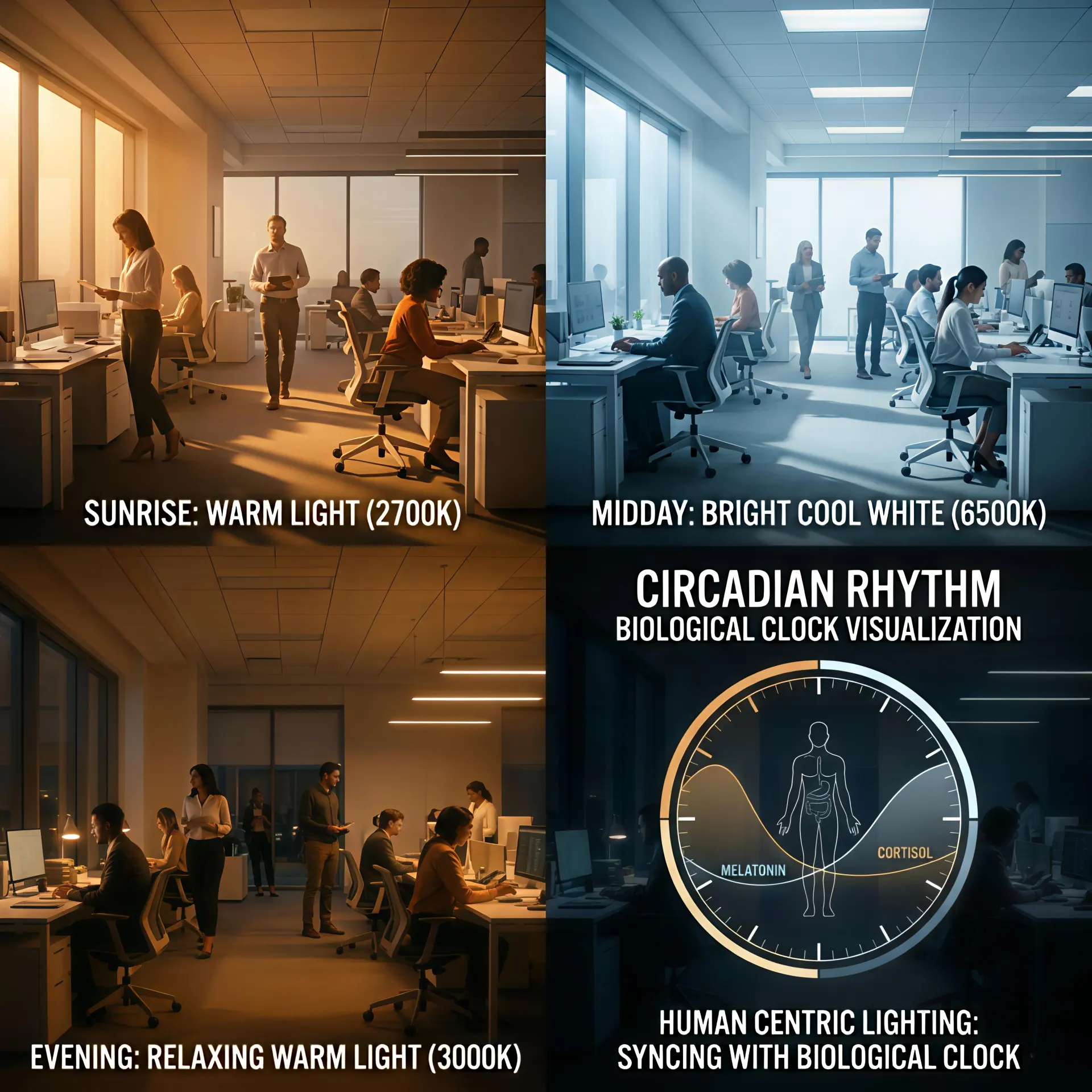
One of the biggest advantages of that is its ability to support circadian-friendly lighting design.
During the morning and early afternoon, cooler light between 5000K and 6500K helps stimulate alertness and concentration. Higher blue-light content suppresses melatonin production and encourages cortisol release, helping people feel awake and focused.
In the evening, warmer light between 2700K and 3000K helps the body transition into a more relaxed state by reducing blue-light exposure and supporting natural melatonin production.
This dynamic lighting approach is now widely used in:
- Smart office lighting
- Hospitality lighting
- Healthcare lighting
- Educational environments
- Wellness-focused commercial spaces
Tunable White Lighting vs Dimmable Lighting
Many customers confuse it with standard dimming systems, but they serve different purposes.
| Feature | Tunable White Lighting | Dimmable Lighting |
|---|---|---|
| Adjusts | Color temperature | Brightness |
| Main purpose | Circadian and visual comfort | Light intensity control |
| Typical range | 2700K–6500K | 0–100% brightness |
| Application | Human-centric lighting | General lighting |
| User experience | Dynamic atmosphere | Energy saving |
In many high-end projects, both functions are combined to create fully adaptive lighting environments.
Tunable White Lighting vs Warm Dim Lighting
Another common question is the difference between it and Warm Dim technology.
Warm Dim lighting automatically becomes warmer as brightness decreases, similar to traditional halogen lamps. Tunable white lighting, on the other hand, allows users to actively select and control different color temperatures regardless of brightness level.
| Feature | Tunable White Lighting | Warm Dim |
|---|---|---|
| Color temperature control | Fully adjustable | Automatically warms when dimmed |
| Flexibility | High | Limited |
| Typical applications | Offices, retail, healthcare | Hotels, restaurants, residential |
| Circadian lighting support | Yes | Partial |
| Smart control integration | Advanced | Basic |
For projects focused on circadian lighting solutions or smart commercial lighting, it offers significantly greater flexibility.
What Makes Tunable White Lighting Healthier?
Many people search questions like:
- What is the healthiest lighting?
- What color light is easiest on the eyes?
- Is warm white or cool white better?
The truth is that healthy lighting is not determined by a single color temperature. The healthiest lighting is lighting that adapts to human needs throughout the day.
Dynamic Color Temperature
A static lighting environment cannot support changing biological needs. It allows spaces to shift naturally between energizing cool light and relaxing warm light.
For example:
- Morning: 5000K for focus and alertness
- Afternoon: 4000K for balanced comfort
- Evening: 3000K for relaxation
This is why adjustable color temperature lighting is becoming increasingly popular in modern workplaces.
High CRI for Visual Comfort
In premium commercial lighting projects, color quality is just as important as color temperature.
High-quality Tunable White systems often feature:
- CRI 90+
- R9 > 90
- Consistent color rendering
This improves visual clarity while helping products, materials, and skin tones appear more natural.
Low Glare and Flicker-Free Performance
Visual discomfort is one of the biggest complaints in commercial environments.
Advanced Tunable White Lighting systems typically include:
- Deep anti-glare optics
- UGR<19 or lower
- Flicker-free LED drivers
These features help reduce eye strain and improve long-term visual comfort.
How Tunable White Affects Mood and Productivity
Lighting has a direct impact on emotional wellbeing.
Cool white light can improve focus and energy levels, while warmer tones create a more relaxing atmosphere.
Studies on human centric office lighting show that dynamic lighting environments may help:
- Improve concentration
- Reduce afternoon fatigue
- Support emotional wellbeing
- Increase workplace satisfaction
This is particularly important in windowless offices and enclosed commercial spaces where employees receive limited exposure to natural daylight.
Commercial Applications of Tunable White Lighting
For Offices
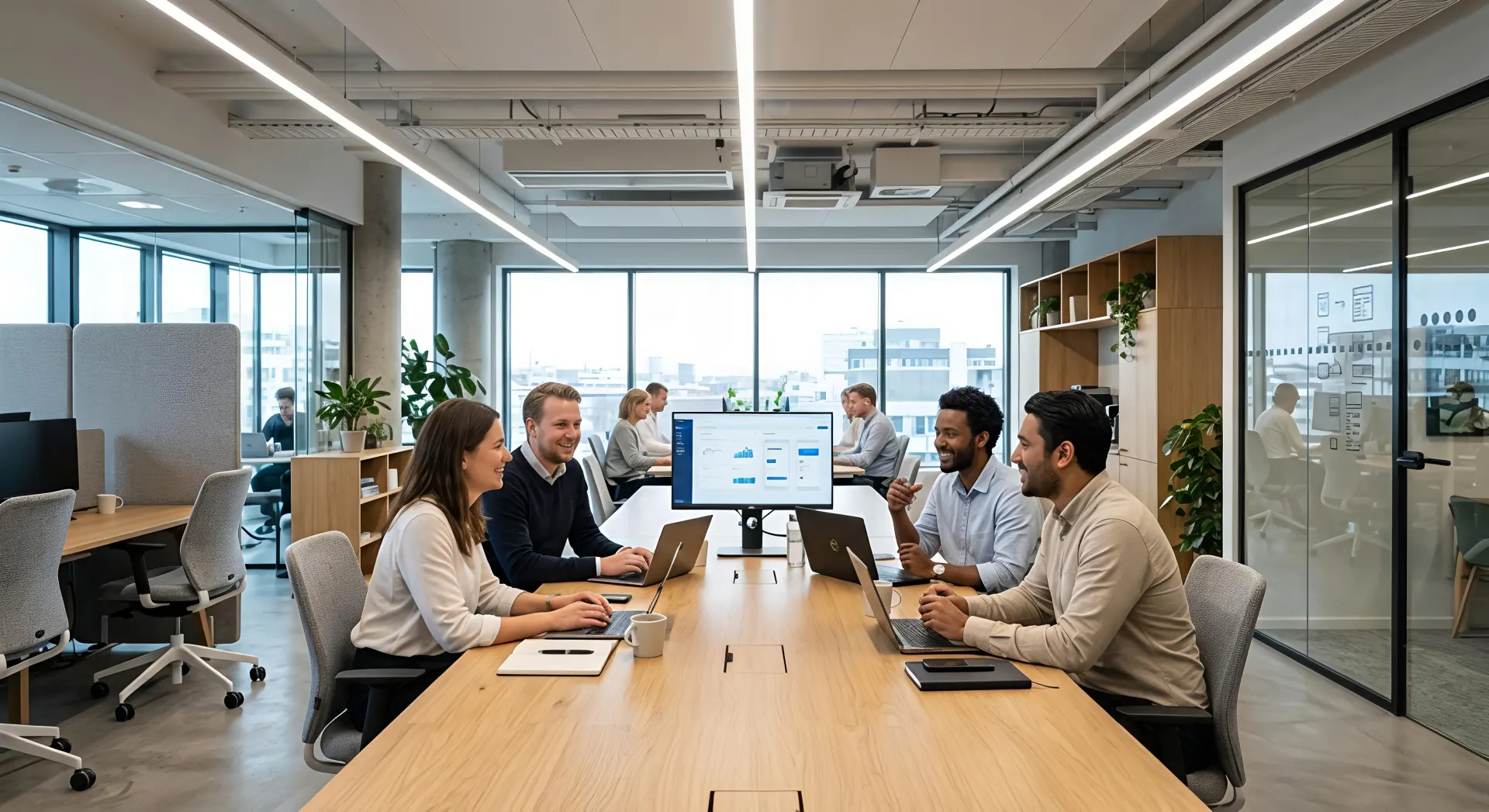
Modern office environments are increasingly designed around employee wellness.
Using Tunable white linear lighting systems, offices can automatically adjust lighting conditions throughout the day to support productivity and comfort.
This approach is commonly integrated into smart office lighting systems and WELL-certified buildings.
For Retail Stores
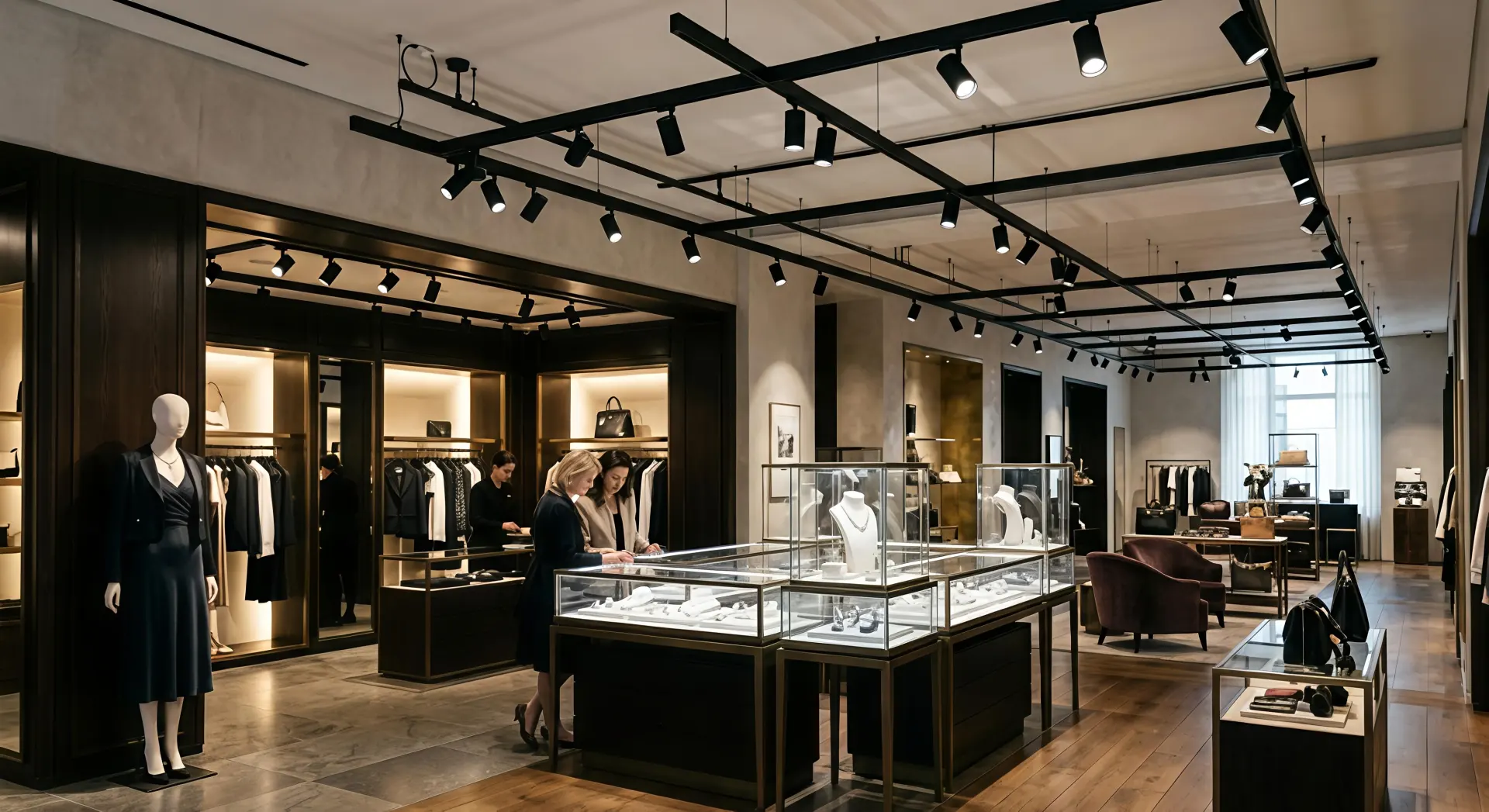
Different products look better under different color temperatures.
For example:
- Jewelry appears brighter under cooler white light
- Fashion and leather products often benefit from warmer tones
- Art galleries require high-CRI neutral lighting
Tunable White Lighting allows retailers to instantly adapt atmosphere and product presentation.
For Hospitality and Healthcare
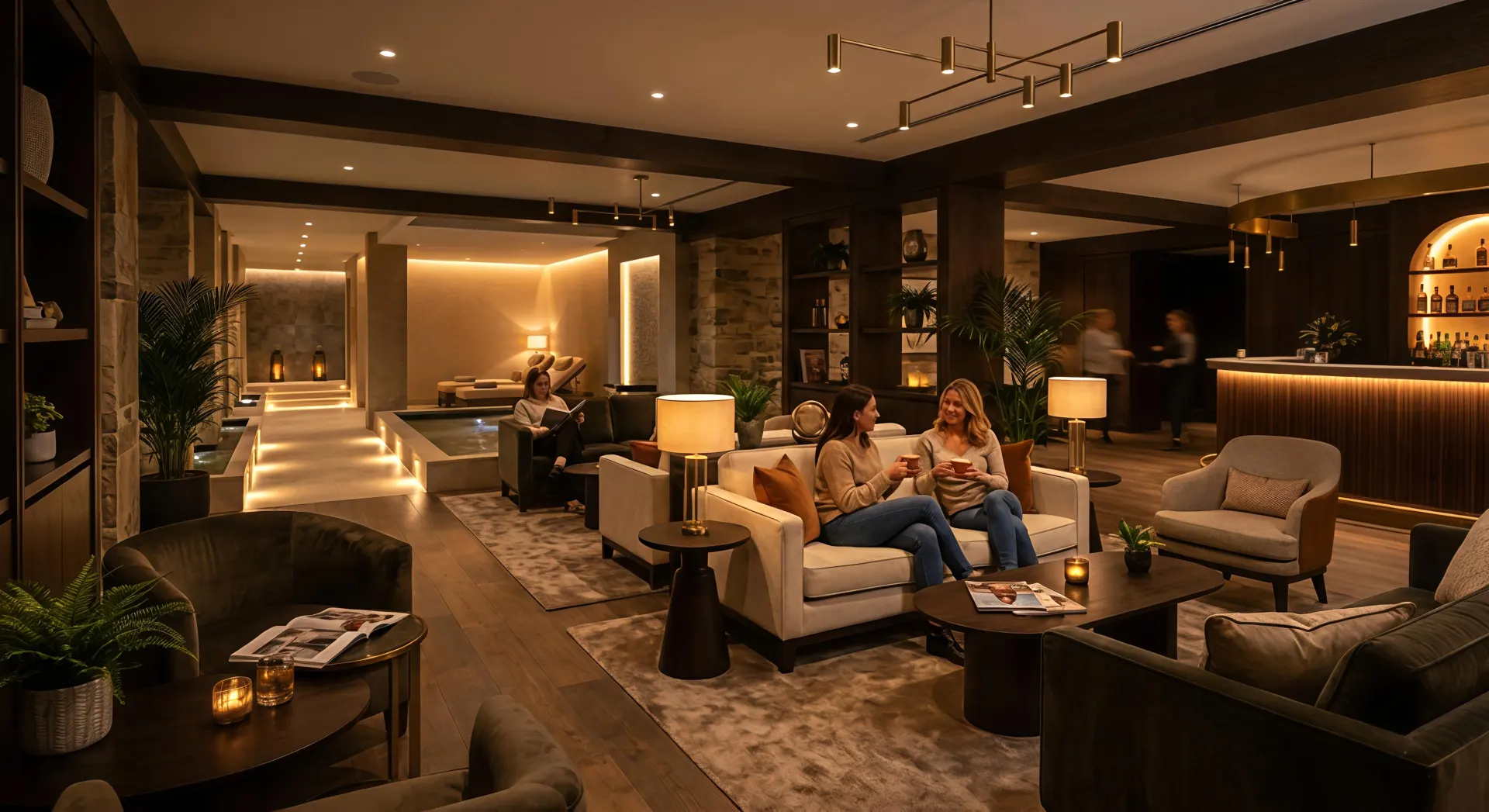
Hotels use it to create more comfortable guest experiences, especially for travelers dealing with jet lag.
Healthcare and senior living facilities also benefit from circadian lighting strategies that help support healthier sleep cycles and emotional wellbeing.
Frequently Asked Questions About Tunable White Lighting
Q: Does warm white light make people sleepy?
A: Warm white light encourages relaxation and is better suited for evening environments. However, in a Tunable White system, lighting changes dynamically throughout the day instead of staying warm all the time.
Q: Why should cool white light be avoided at night?
A: Cool white LED lighting contains more blue light, which may suppress melatonin production and negatively affect sleep quality.
Q: What is the healthiest commercial lighting solution?
A: The healthiest lighting combines:
- Tunable White
- High CRI
- Low glare
- Flicker-free performance
- Smart circadian control
The Future of Tunable White Lighting
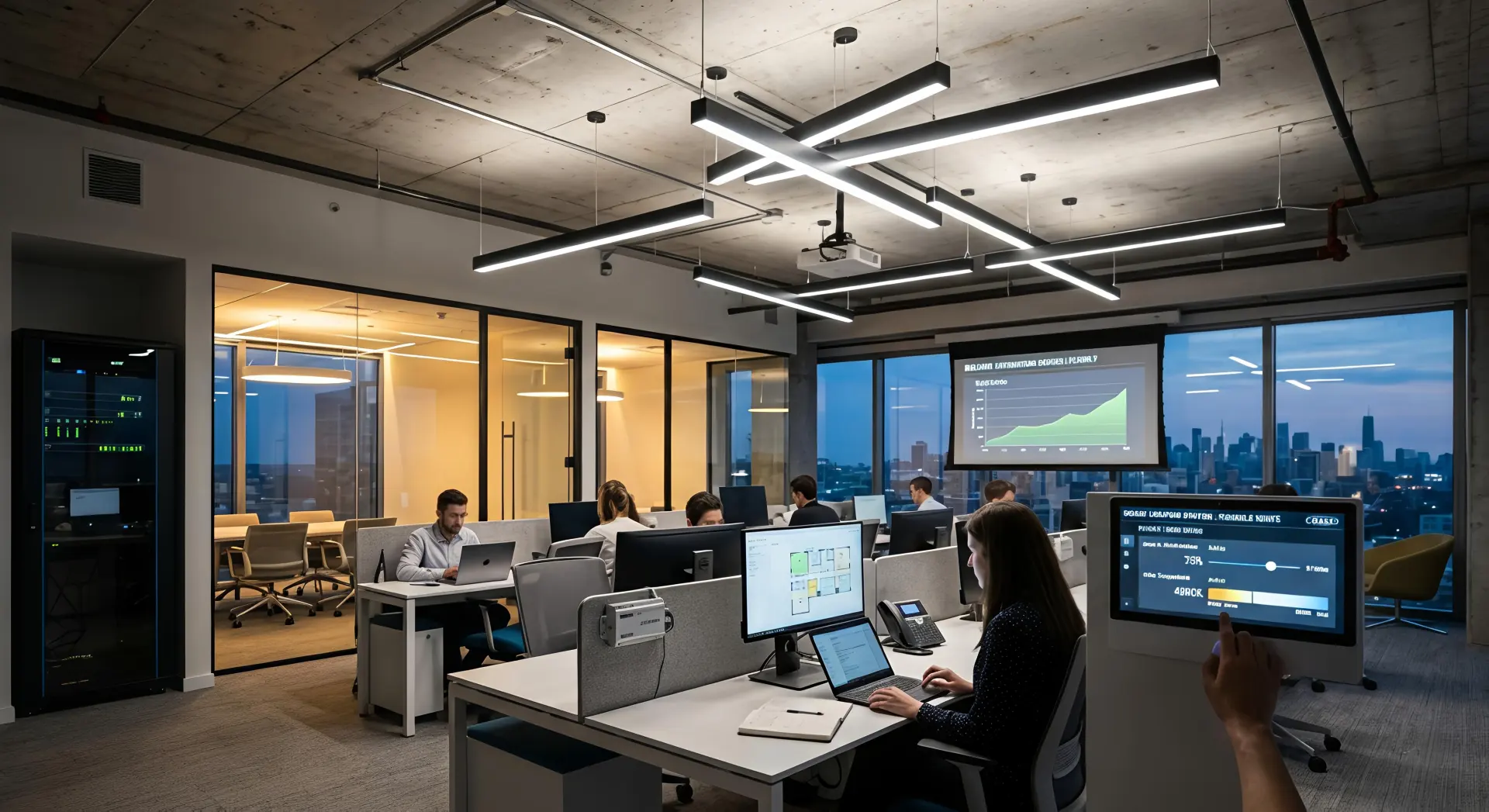
As wellness-focused architecture, ESG initiatives, and smart building technologies continue to grow, it is quickly becoming a standard feature in modern commercial projects.
Today, businesses are no longer looking for lighting that simply illuminates a room. They want lighting that improves human experience, supports wellbeing, and creates healthier indoor environments.
The future of commercial lighting will increasingly focus on:
- Human centric lighting
- Circadian lighting systems
- Smart commercial lighting
- Adaptive workplace environments
- Wellness-oriented architectural design
And at the center of this transformation is Tunable White Lighting.

