



What Are LED Track Framing Lights? Uses & Benefits for Every Space
By Vincent
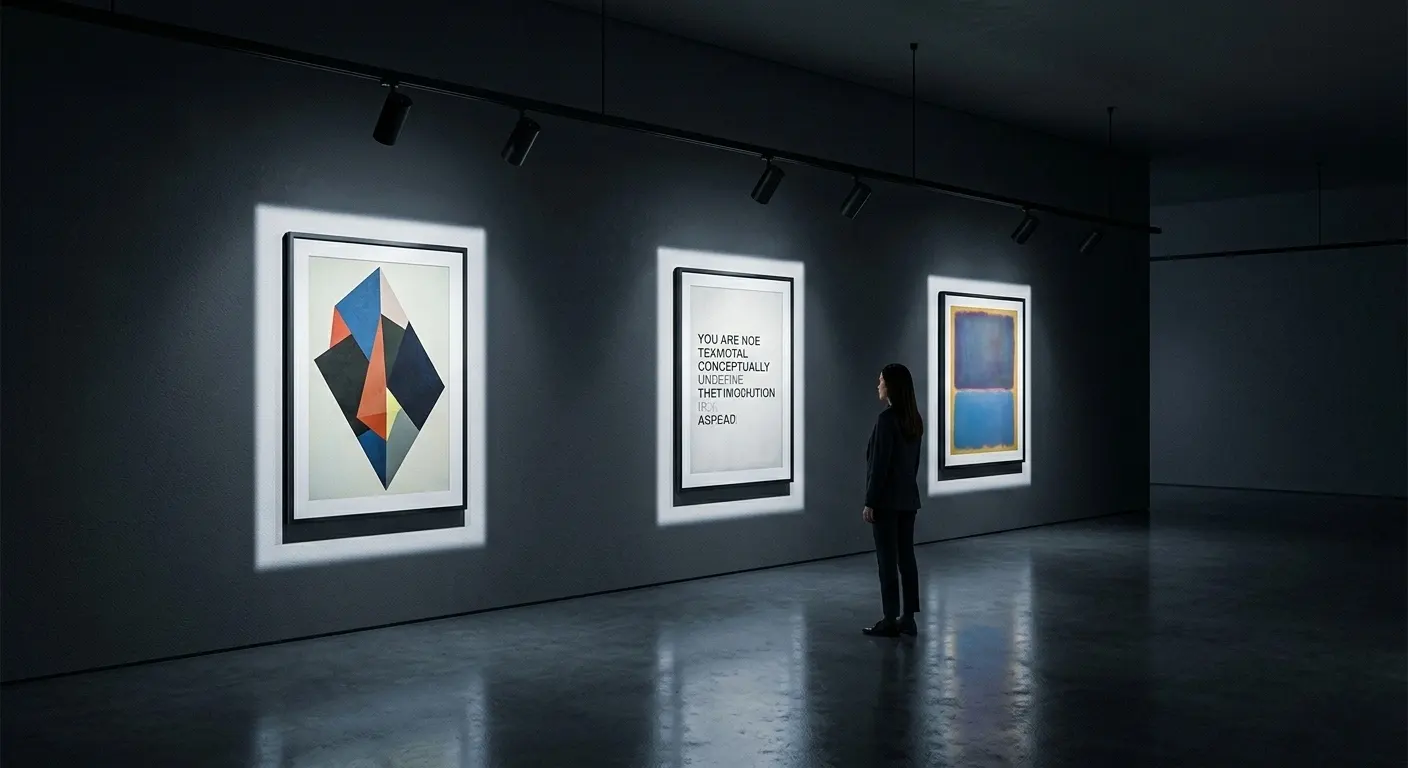
In today’s design-driven environments, lighting is no longer just about visibility. It is about precision, hierarchy, and emotional control. Led track framing lights have become one of the most refined tools available for designers who need exact beam shaping, museum-grade color rendering, and controlled contrast within architectural spaces. From art galleries to luxury boutiques, these fixtures help define what should be seen—and just as importantly—what should remain in shadow.
What Are Led track framing lights?
Led track framing lights are track-mounted luminaires equipped with internal shutter systems and precision optics that allow the beam to be shaped into clean geometric forms. Unlike conventional round-beam spotlights, these fixtures can project rectangular, square, or custom-shaped light patterns with sharply defined edges.
At their core, they function as compact architectural imaging systems. Their structure typically includes:
- Adjustable internal framing shutters
- Multi-lens optical assemblies
- Deep-set light source design for glare control
- Manual or adjustable focus mechanisms
This configuration allows lighting designers to “frame” artwork, products, architectural details, or even dining tables with remarkable accuracy.
Rather than flooding a wall with light, these fixtures isolate the subject. The result is visual clarity and spatial discipline.
Optical Structure and Working Principles
Understanding how these fixtures operate helps explain their growing popularity in high-end applications.
1. Internal Framing Shutters
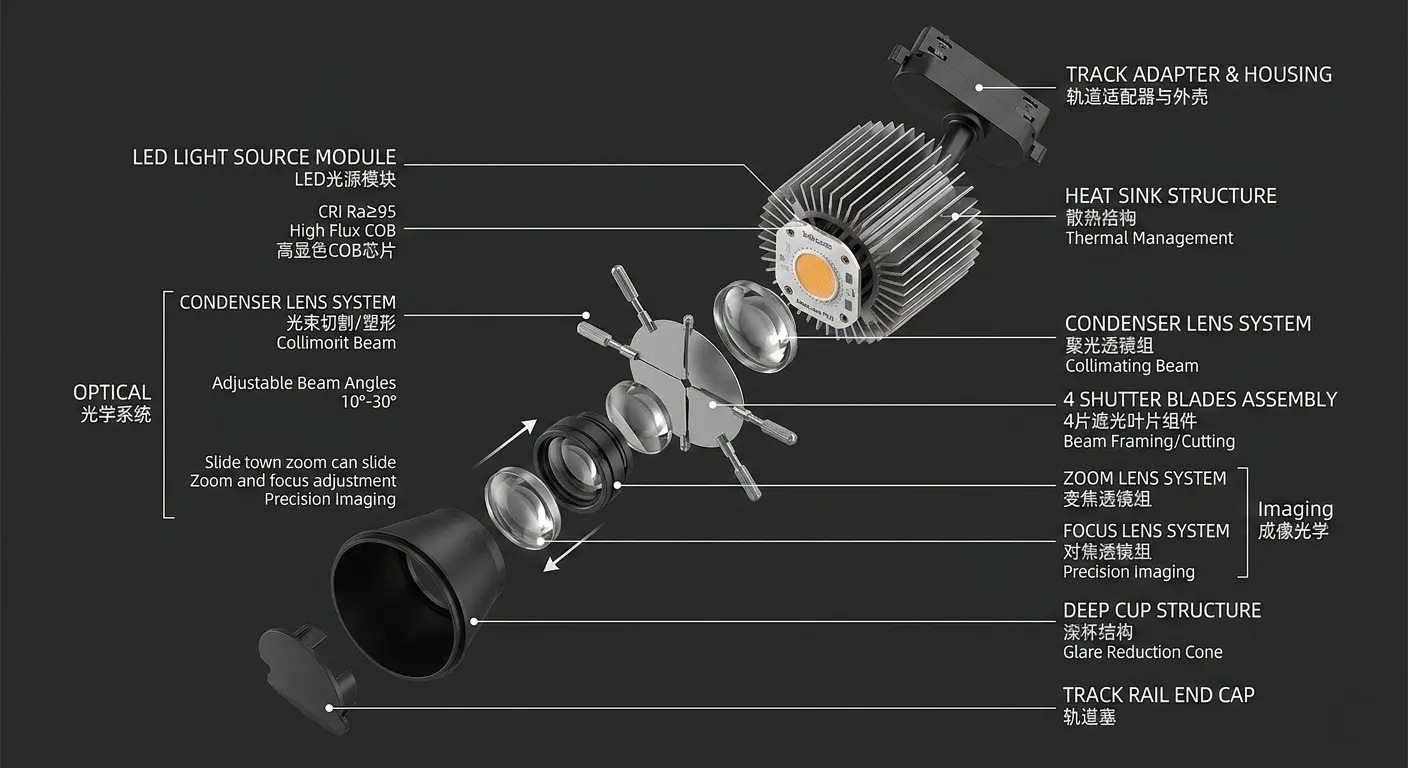
Inside the luminaire housing, four movable metal blades allow users to trim the beam from each side. By adjusting these blades, the light output can be reshaped into:
- Rectangles for framed artwork
- Vertical or horizontal bands
- Asymmetrical shapes for sculptural displays
This mechanical beam-cutting system produces clean edges with minimal spill light.
2. Precision Lens System
Most architectural-grade models use a dual or multi-lens configuration. This enables:
- Adjustable beam angles (often 15°–60°)
- Crisp edge projection
- Even light distribution across the illuminated area
Some high-end versions include zoom and fine-focus controls to refine edge sharpness at different mounting distances.
3. Deep Recessed Anti-Glare Design
The light source is typically recessed within the housing, increasing the cut-off angle and reducing direct glare. This “see the light, not the lamp” effect is essential in museums and hospitality settings where visual comfort matters.
4. High Color Rendering
Professional models commonly offer:
- CRI ≥ 90
- Enhanced R9 values for red tone accuracy
- Stable color temperature output (3000K–4000K typical range)
For guidance on professional lighting standards, organizations such as the Illuminating Engineering Society (IES) provide technical references:
https://www.ies.org/
Key Advantages of Led track framing lights
Precision Without Spill
One of the defining strengths of Led track framing lights is their ability to eliminate stray illumination. Walls remain clean. Frames are not washed with excess light. The visual field feels intentional rather than accidental.
Controlled Contrast
By restricting light strictly to the subject area, designers can increase contrast ratios without raising overall ambient levels. This creates depth and drama without visual clutter.
Museum-Grade Protection
Quality LED sources emit no ultraviolet radiation and minimal heat, helping protect sensitive materials such as oil paintings, textiles, and historical artifacts.
Flexibility on Track Systems
Mounted on standard track systems, these fixtures allow:
- 360° horizontal rotation
- 180° vertical tilt
- Easy repositioning as exhibits change
They are ideal for dynamic display environments.
Application Scenarios and Lighting Effects
Museum and Gallery Lighting
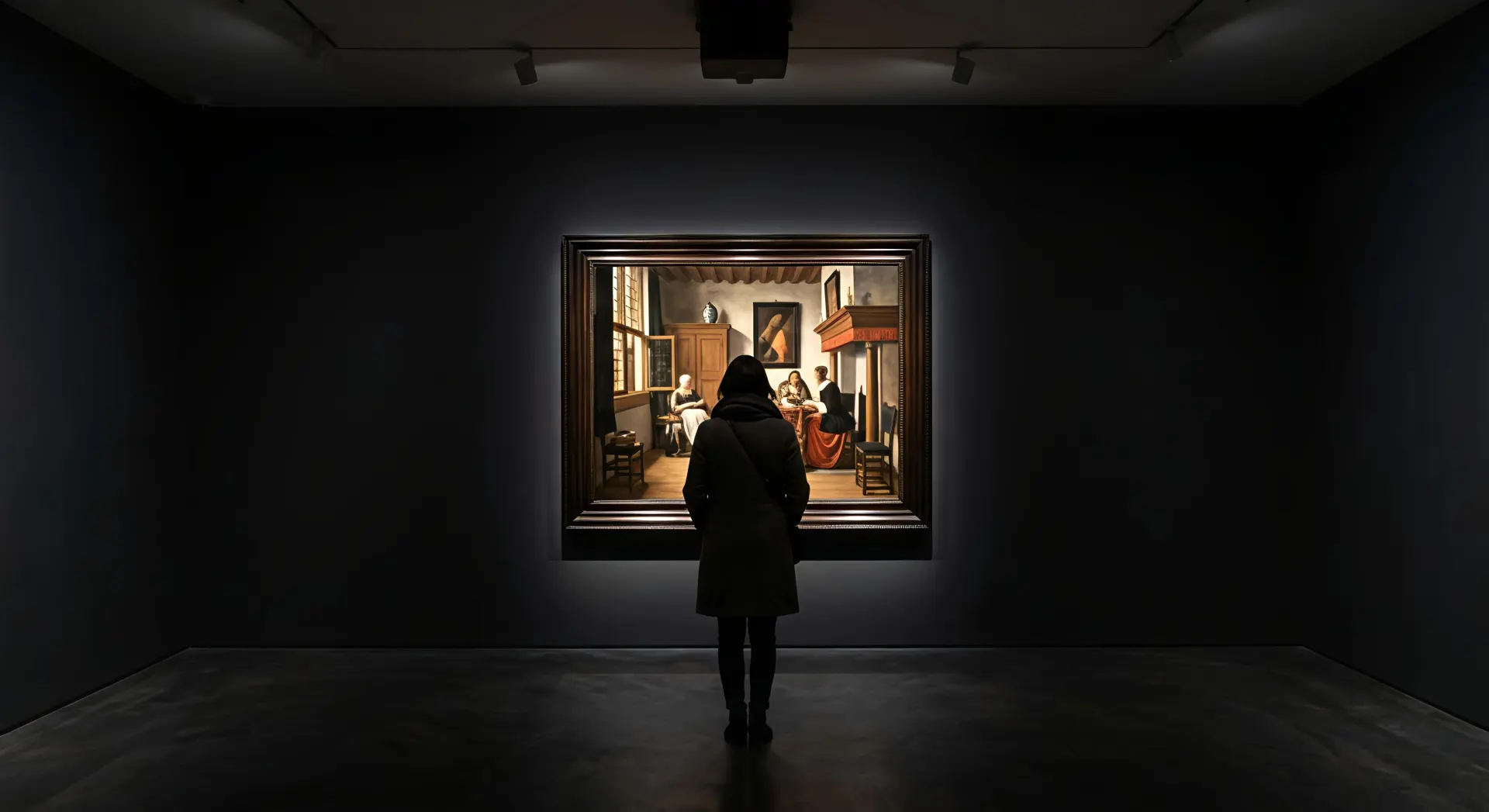
In museum environments, Led track framing lights allow curators to match the beam precisely to the dimensions of an artwork. The edges remain sharp, and the surrounding wall stays visually quiet.
Lighting effect characteristics:
- Rectangular beam matching frame dimensions
- High contrast between artwork and wall
- Reduced reflection and glare
- Even surface illumination
International conservation standards from bodies such as the International Commission on Illumination (CIE) also emphasize careful light control in cultural heritage environments:
https://cie.co.at/
Luxury Retail and Jewelry Displays
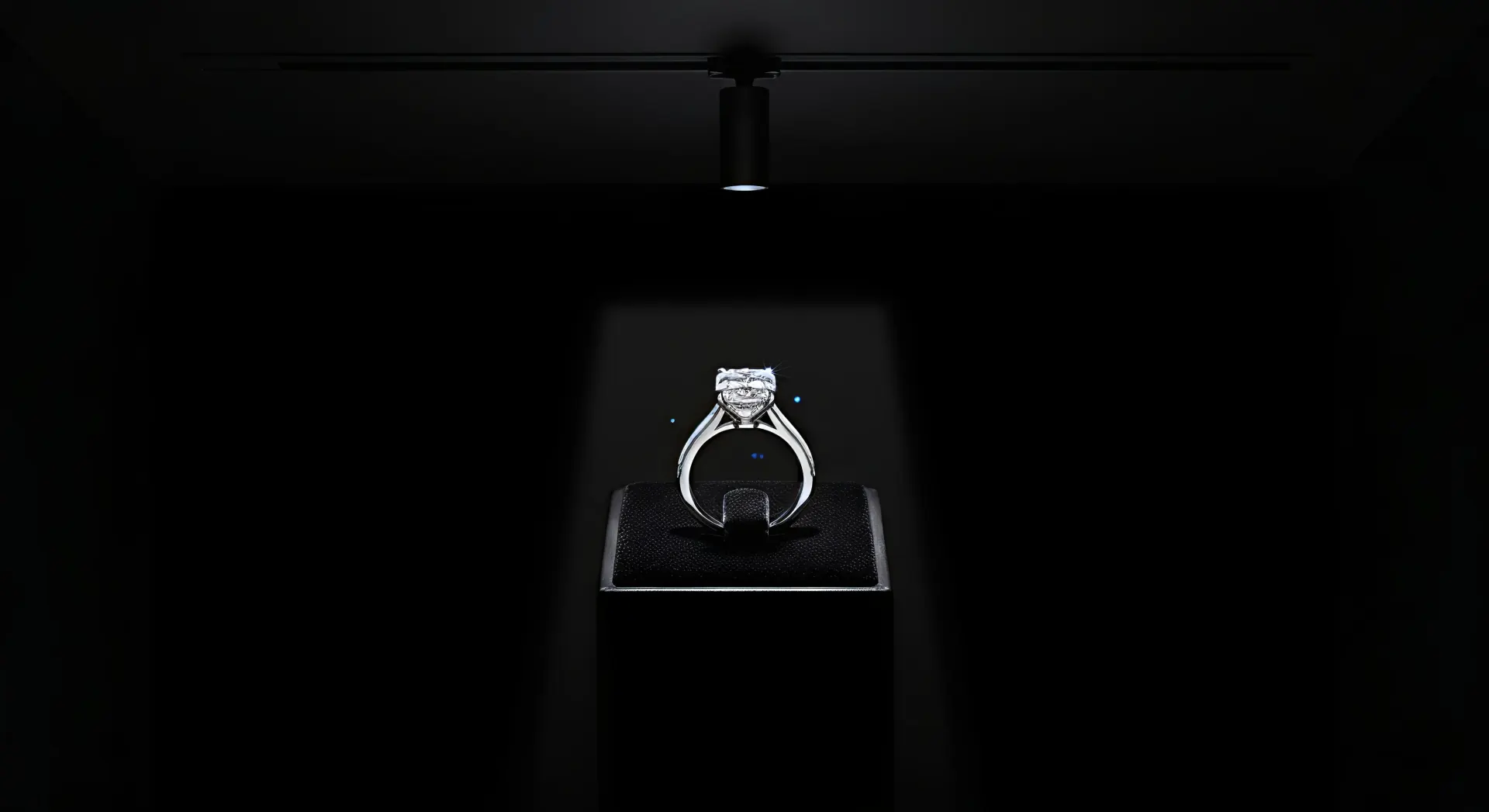
For luxury retail, Led track framing lights function as value amplifiers. When used in darkened display environments, a tightly controlled beam can make diamonds sparkle and metallic finishes appear richer.
Typical lighting outcomes:
- Small, high-intensity beam focus
- Reduced glass reflection in showcases
- Enhanced product texture and brilliance
- Elevated perceived product value
Long-tail lighting terms often associated with this application include:
- Precision beam shaping track light
- Anti-glare gallery spotlight
- High CRI framing projector
- Adjustable shutter track luminaire
Fine Dining and Hospitality Spaces
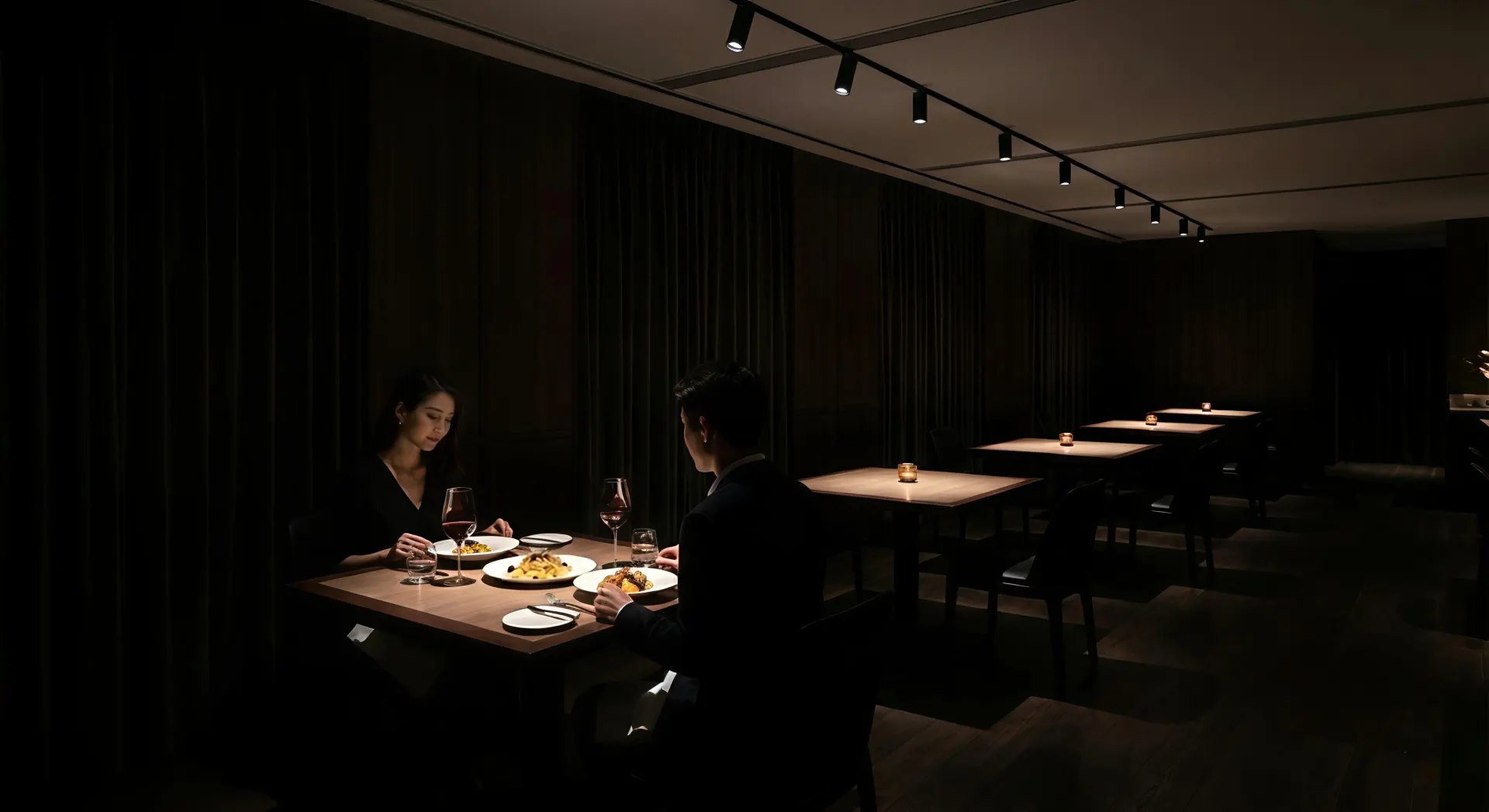
In upscale restaurants, these fixtures can frame individual tables, creating islands of warm light within a dimmer environment.
Effect on atmosphere:
- Clear visual hierarchy
- Intimate dining zones
- Enhanced facial lighting without harshness
- Balanced background dimness
This technique supports both privacy and ambiance.
Minimalist Architectural Corridors
When used in modern architectural corridors, beam shaping track lighting can create repeated geometric light patterns across walls or floors. Here, the light itself becomes a compositional element.
Comparison: Framing Lights vs. Conventional Track Spotlights
When comparing Led track framing lights with conventional track spotlights, the difference lies primarily in optical control.
| Feature | Framing Lights | Standard Track Spotlights |
|---|---|---|
| Beam Shape | Adjustable rectangle or custom | Fixed circular |
| Edge Sharpness | High-definition cut-off | Soft edge |
| Spill Light Control | Minimal | Moderate to high |
| Glare Control | Deep recessed design | Varies |
| Typical Application | Museum, gallery, luxury retail | General accent lighting |
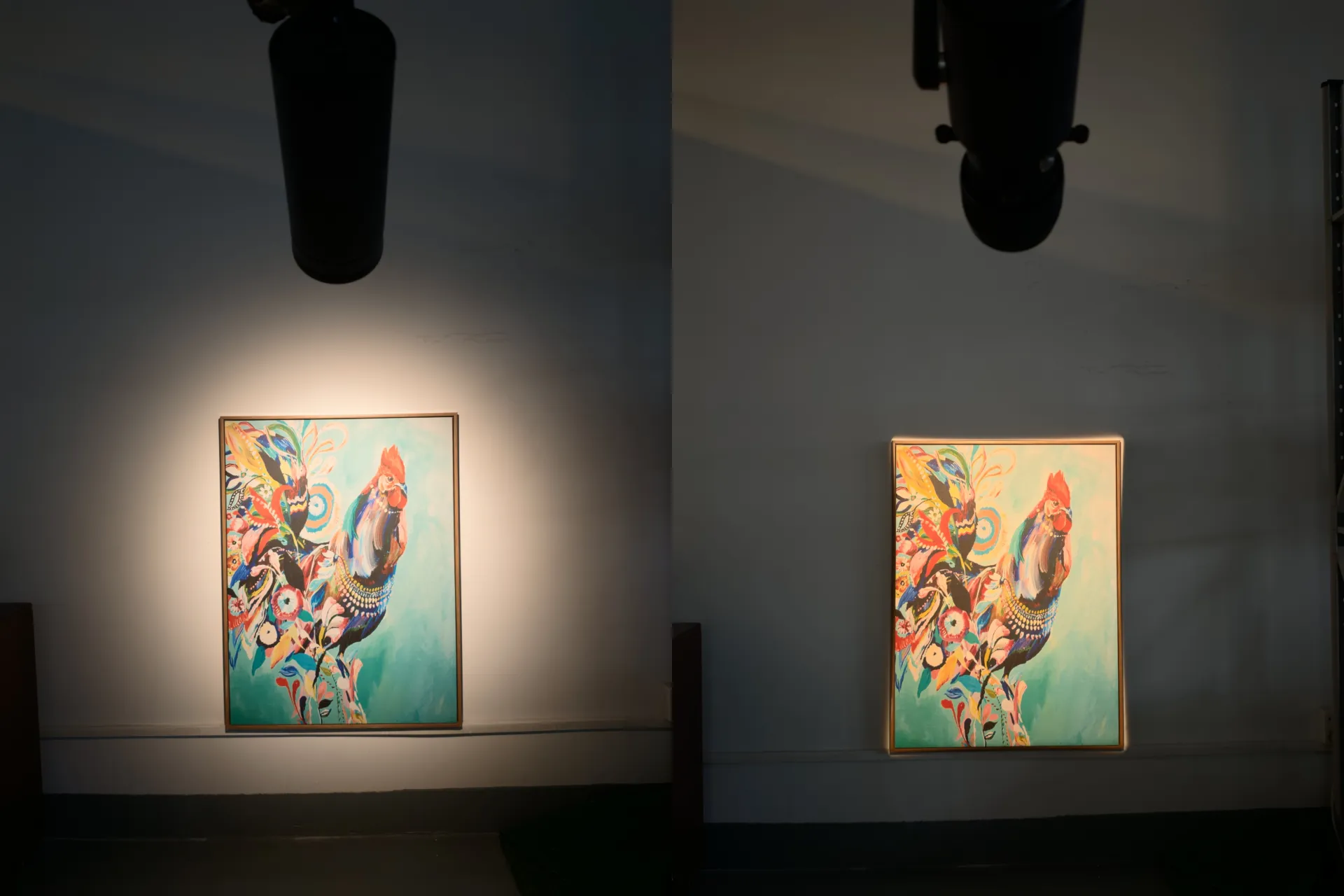
If the goal is basic accent lighting, a standard spotlight may suffice.
If the objective is controlled visual focus and architectural precision, framing technology becomes essential.
Selection Guidelines for Professional Projects
Choosing the right fixture depends on technical and spatial considerations.
Beam Angle and Throw Distance
Short throw (1–2 m): 15°–24°
Medium throw (2–4 m): 24°–36°
Long throw (4 m+): Zoom or narrow-angle models
Color Temperature Selection
| Color Temperature | Atmosphere | Typical Use |
|---|---|---|
| 3000K | Warm and intimate | Art galleries, hospitality |
| 3500K | Neutral balance | Retail and exhibitions |
| 4000K | Crisp and modern | Contemporary architecture |
Dimming Compatibility
Look for compatibility with:
- DALI systems
- 0–10V control
- TRIAC dimming
This ensures smooth integration into intelligent lighting systems.
Installation Considerations
- Mount fixtures 0.8–1.2 meters from vertical display surfaces.
- Aim at a 30°–45° angle to reduce reflection.
- Combine ambient lighting with focused beam shaping for layered results.
Framing luminaires are most effective when used strategically rather than uniformly throughout a space.
Conclusion: Precision as a Design Philosophy
Led track framing lights are not simply luminaires; they are instruments of spatial editing. By shaping, trimming, and directing light with intent, they eliminate distraction and emphasize meaning.
In environments where art, craftsmanship, or architectural detail deserves attention, controlled beam projection becomes indispensable. When light is treated as a compositional element rather than background utility, the space gains depth, clarity, and refinement.
In that sense, framing technology does more than illuminate objects—it defines focus itself.

