



Why More Architects and Designers Are Choosing Led Linear Track Light
By Vincent
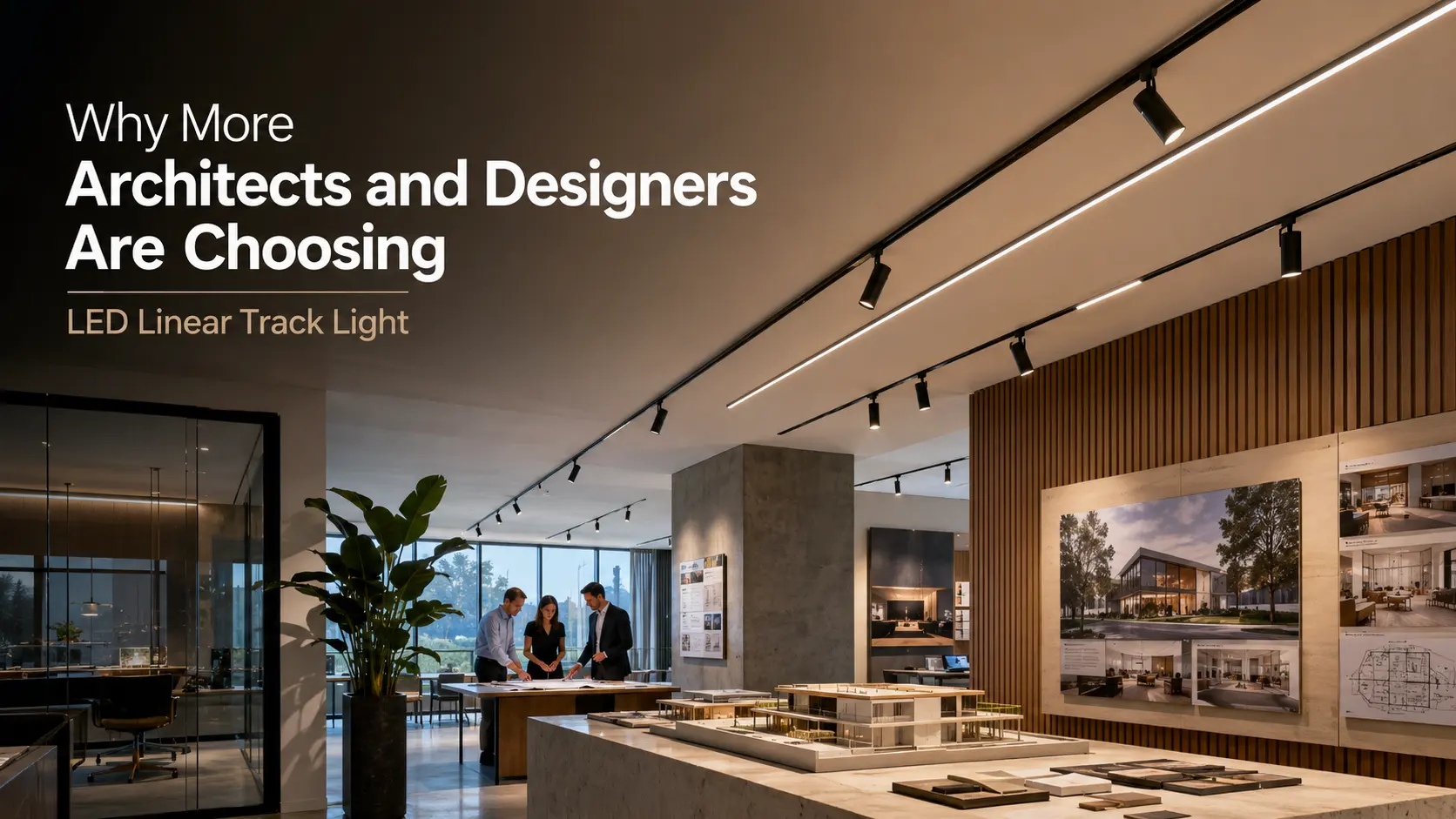
Commercial lighting is no longer just about providing visibility. In today’s offices, retail stores, showrooms, and hospitality projects, lighting plays a critical role in shaping the character of a space and influencing how people experience it. As minimalist interiors, open ceilings, and flexible layouts become increasingly common, the LED linear track light has emerged as a preferred solution among architects and lighting designers. Combining the clean appearance of linear lighting with the adaptability of a track system, it offers a practical way to create modern, comfortable, and visually cohesive environments.
Why Modern Commercial Spaces Need Flexible Linear Track Lighting
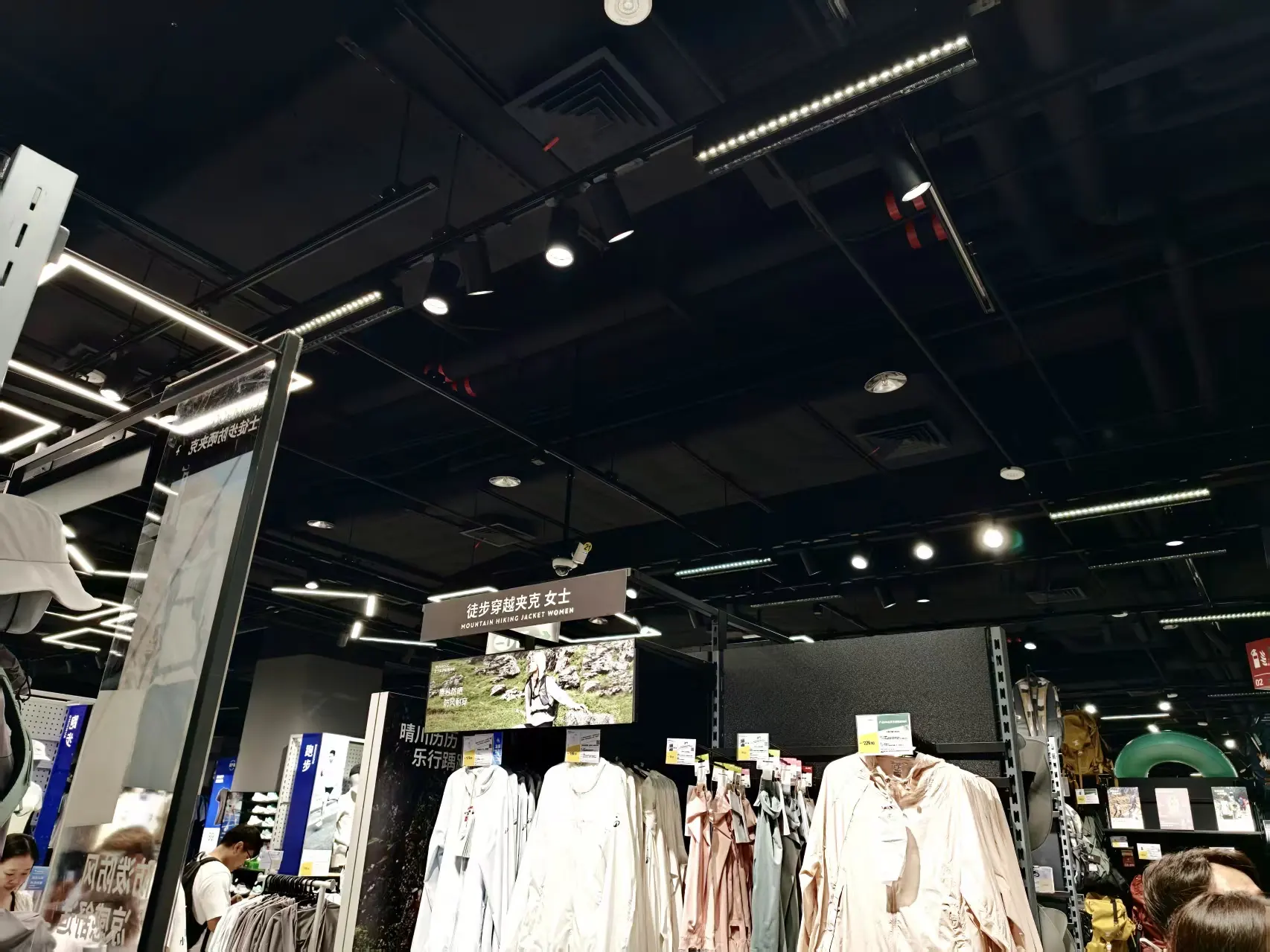
Traditional lighting systems such as downlights, troffers, and fixed linear pendants have served commercial buildings well for decades. However, many modern spaces are designed to evolve over time.
Retail displays change. Office layouts are reconfigured. Exhibition spaces host different events throughout the year.
In these situations, fixed lighting can become a limitation. Every layout change may require additional wiring, ceiling modifications, or fixture replacement.
This is one reason why architectural linear track lighting has gained popularity. The track infrastructure remains in place while luminaires can be repositioned, added, or replaced as project requirements change.
Traditional Lighting vs. Linear Track Systems
| Feature | Traditional Downlights | Led Linear Track Light System |
|---|---|---|
| Layout Flexibility | Low | High |
| Future Adjustments | Limited | Easy |
| Ceiling Appearance | Multiple Cut-Outs | Clean and Minimal |
| Installation Changes | Requires Rewiring | Simple Fixture Relocation |
| Design Adaptability | Moderate | Excellent |
How LED Track Linear Lights Enhance Architectural Design
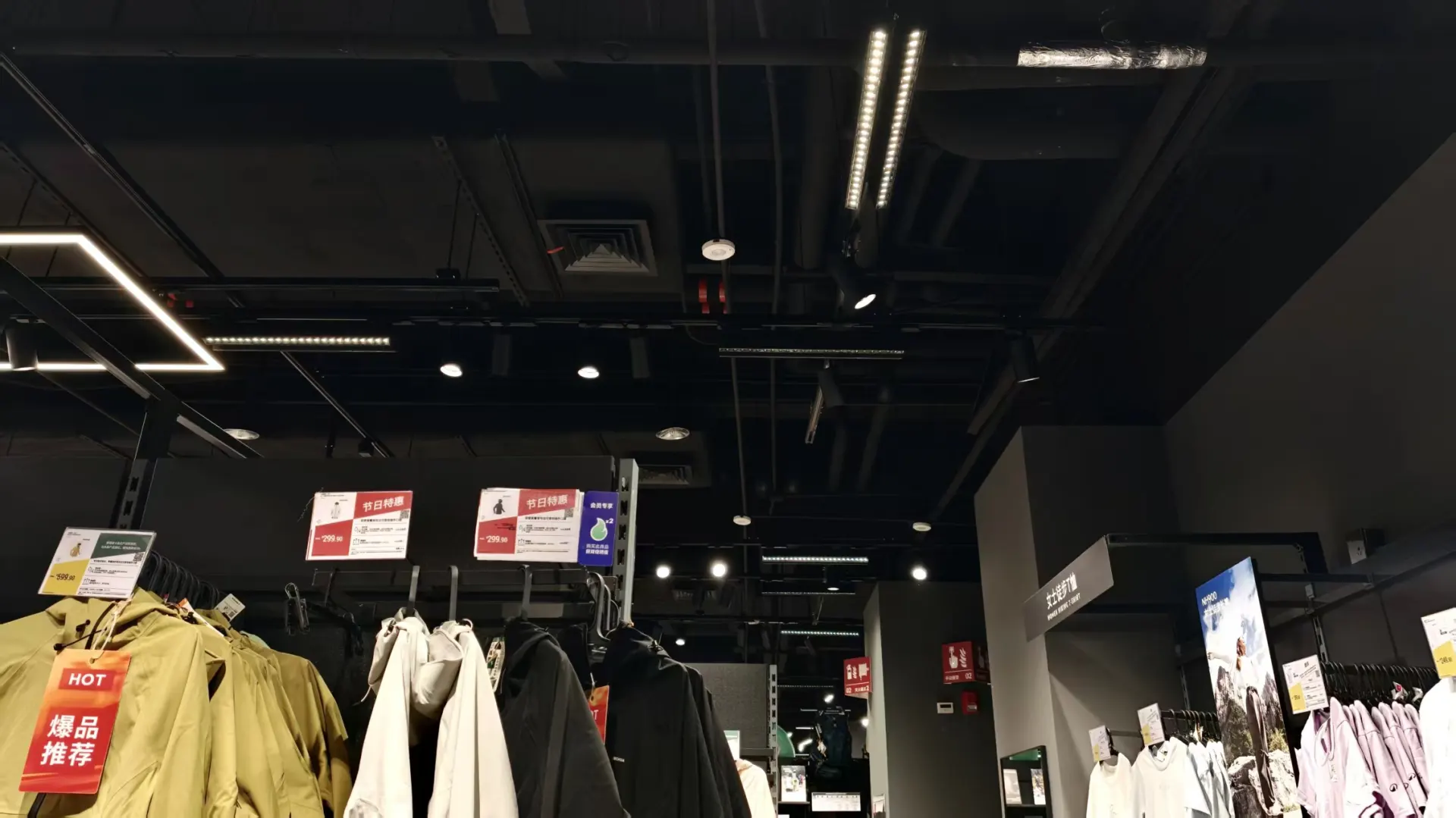
For many designers, lighting is part of the architecture itself.
Unlike isolated light points, LED linear track light creates continuous visual lines that follow the geometry of a building. These illuminated lines can help guide movement through a space while reinforcing architectural features.
In open-plan offices, linear fixtures can visually connect different work zones. In retail environments, they can align with shelving systems and circulation paths. In showrooms, they help create a clean and organized visual language.
This ability to combine illumination and architectural expression explains why many contemporary projects are moving away from traditional ceiling layouts.
Why Commercial Led Linear Track Light Improves Design Flexibility
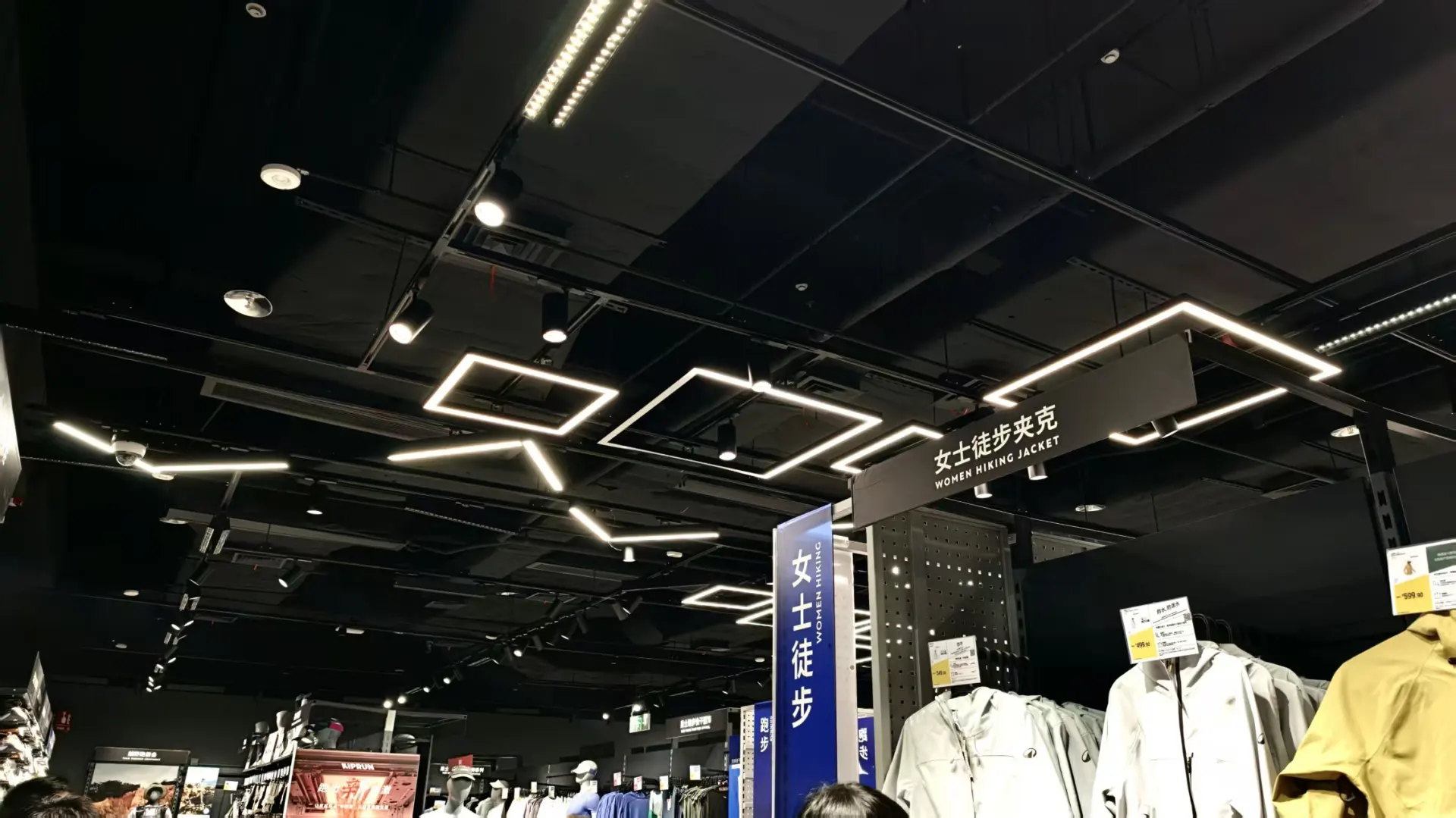
One of the biggest advantages of a track-based system is adaptability.
Unlike fixed recessed fixtures, commercial linear track lighting can evolve alongside the space itself. Designers and facility managers can modify lighting layouts without major renovation work.
Common applications include:
- Office workspace reconfiguration
- Retail merchandising updates
- Exhibition and gallery installations
- Hospitality renovations
- Multi-purpose commercial venues
For projects that require long-term flexibility, track systems often provide a lower total cost of ownership compared to traditional lighting solutions.
Low-Glare Linear Track Fixtures Create Better Visual Comfort
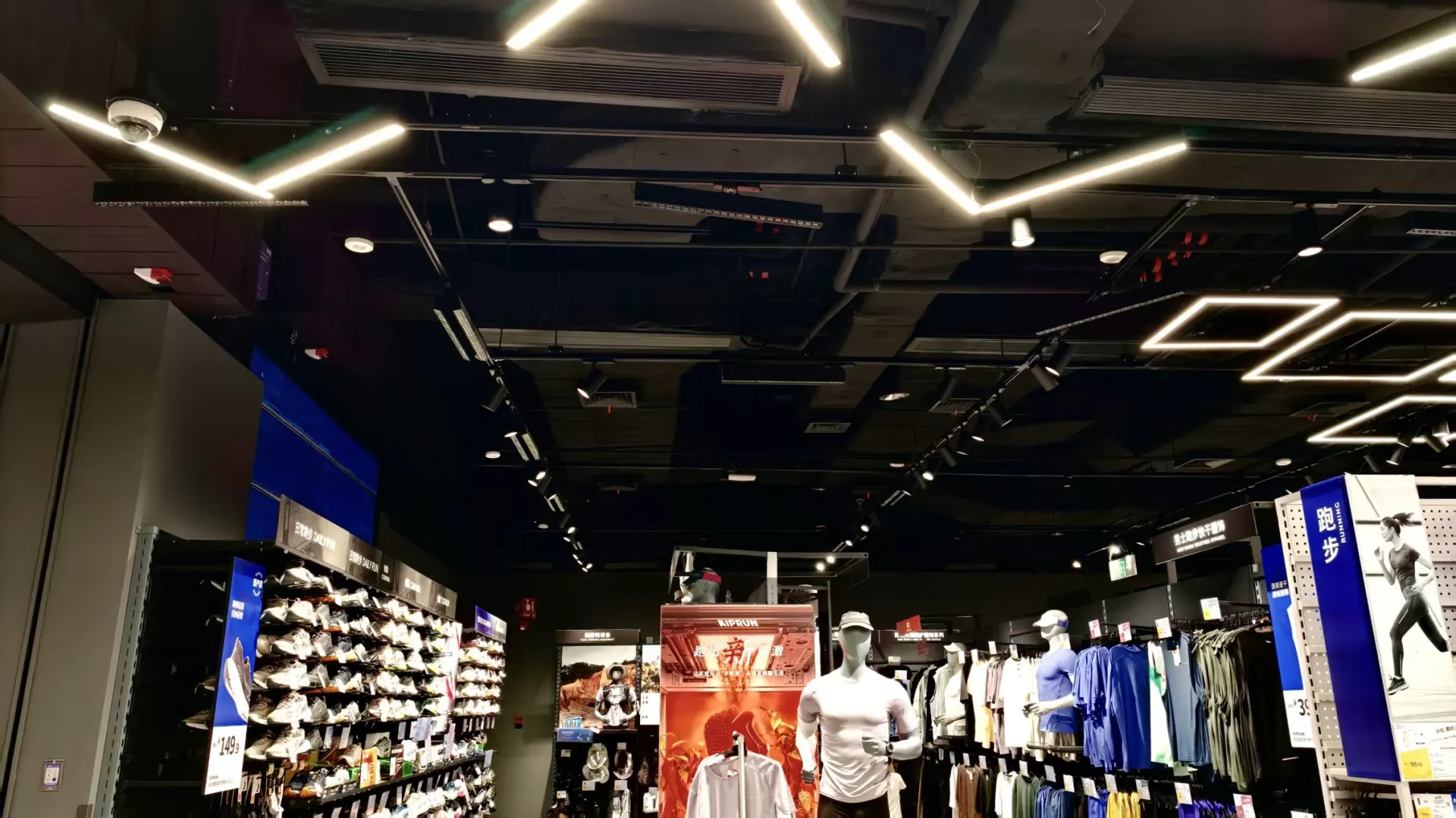
Visual comfort has become a major priority in modern lighting design.
Employees spend hours in front of computer screens. Retail customers expect comfortable environments. Visitors in museums and galleries need lighting that highlights displays without causing eye fatigue.
This has increased demand for low glare led linear track light equipped with advanced optical systems.
Common glare-control technologies include:
- Deep-recessed light sources
- Micro-prismatic diffusers
- Anti-glare louvers
- Honeycomb optical grids
Many premium fixtures achieve UGR<19, while specialized office lighting solutions can reach UGR<13 for enhanced visual comfort.
In addition to glare control, high-quality fixtures often offer CRI 90+, CRI 95+, or even higher color rendering performance, allowing materials, textures, and products to appear more natural.
For projects seeking excellent visual quality, designers often refer to recommendations published by organizations such as the International Commission on Illumination (CIE) and the Illuminating Engineering Society (IES).
Combining Linear Track Lighting and Spotlights in One System
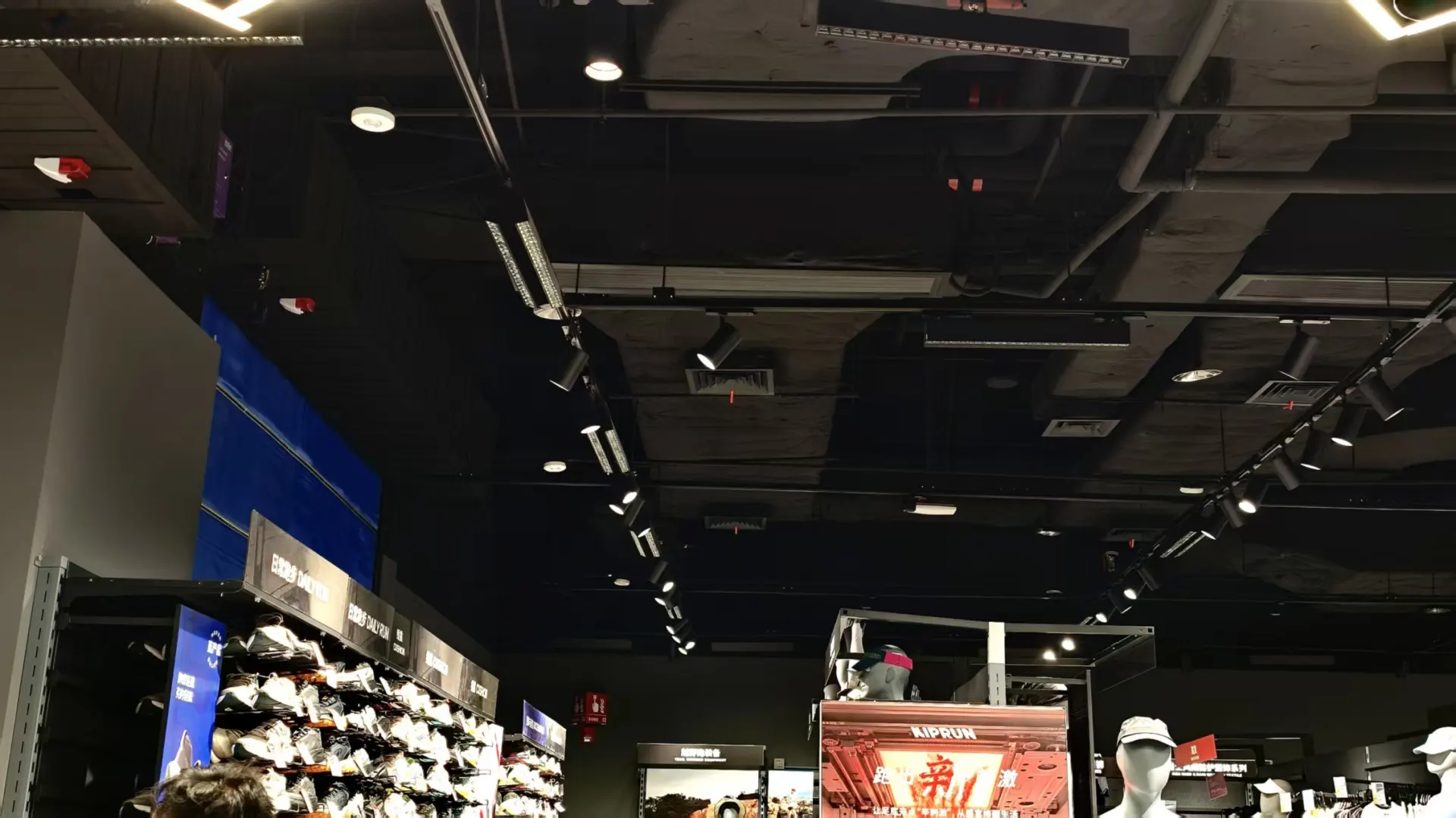
Modern commercial projects rarely rely on a single lighting layer.
One reason designers favor linear lighting on track systems is their ability to integrate multiple fixture types within the same infrastructure.
A single track can support:
- Linear luminaires for ambient lighting
- Spotlights for accent lighting
- Wall washers for vertical illumination
- Decorative pendants for feature lighting
This combination allows designers to create balanced lighting schemes that include both general illumination and focused visual emphasis.
For example:
Ambient Lighting
Provides uniform brightness throughout offices and retail spaces.
Accent Lighting
Highlights merchandise, artwork, vehicles, or architectural details.
Wall Washing
Enhances vertical surfaces and creates a greater sense of spaciousness.
Feature Lighting
Adds visual interest and strengthens brand identity.
Smart Commercial Lighting Is Accelerating Adoption
The growth of smart buildings has further increased the appeal of dimmable linear track lighting systems.
Many modern fixtures support:
- DALI-2
- DT8 Tunable White
- 0-10V dimming
- Wireless lighting controls
These technologies enable:
- Automated daylight harvesting
- Occupancy-based control
- Scene management
- Human-centric lighting strategies
- Dynamic color temperature adjustment
As sustainability requirements become more demanding, intelligent lighting control is helping building owners reduce energy consumption while improving occupant comfort.
Key Factors Designers Consider When Selecting Led Linear Track Light
| Selection Criteria | Recommended Specification |
| Glare Rating | UGR<19 (UGR<13 for premium offices) |
| Color Rendering | CRI 90+ or higher |
| Efficacy | 140–160 lm/W |
| Control Compatibility | DALI-2, DT8, 0-10V |
| Beam Distribution | Based on project requirements |
| Certification | Local compliance standards |
Real-World Applications of Architectural Track Lighting
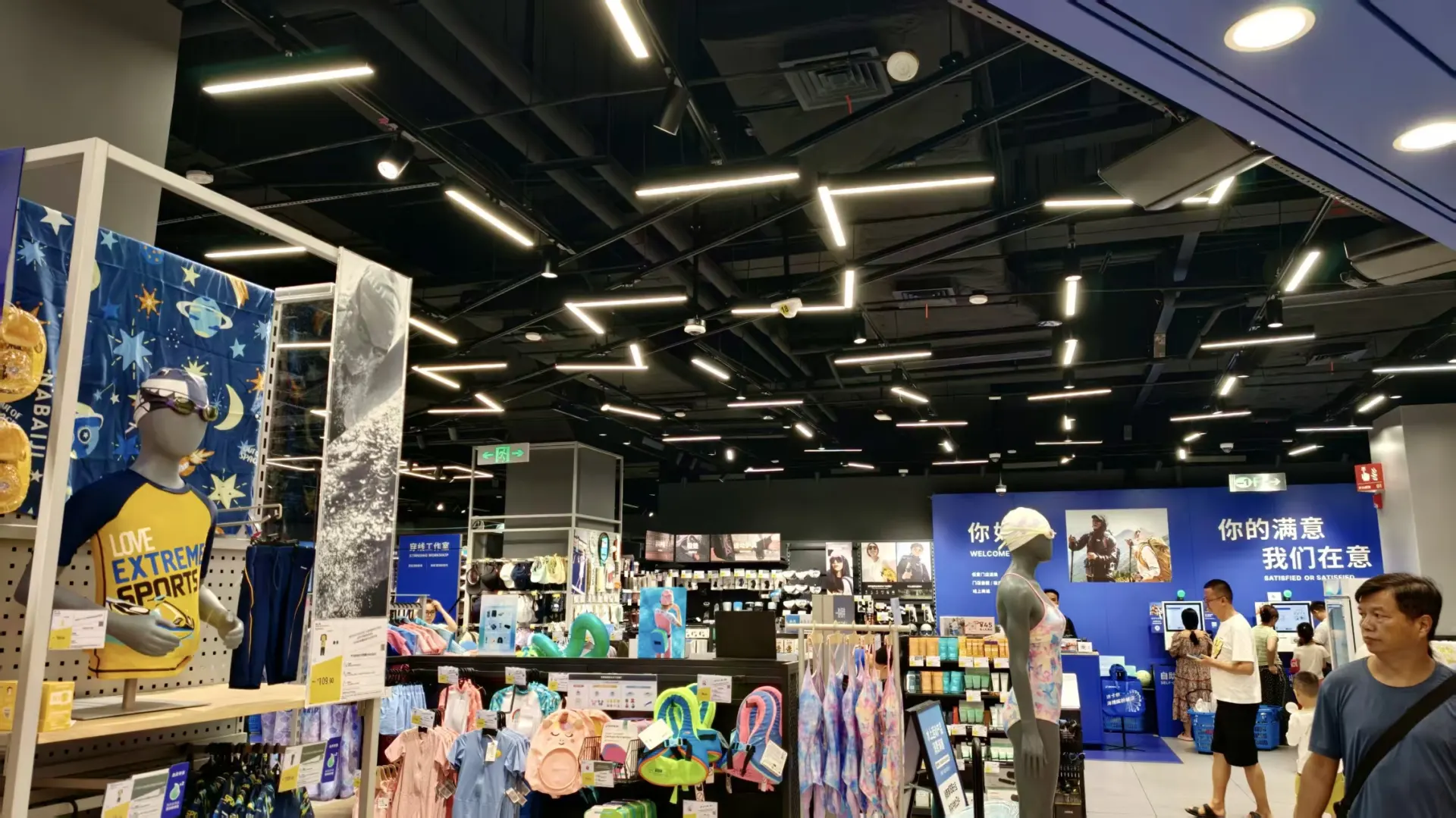
The growing popularity of office linear track lighting, retail linear track lighting, and LED linear track lights for commercial spaces is driven by real project performance.
In office environments, these fixtures help create comfortable workspaces with reduced glare.
In retail stores, they improve product visibility while maintaining a clean ceiling design.
In automotive showrooms, they provide uniform illumination that enhances vehicle finishes and showroom presentation.
In galleries and exhibition spaces, they combine ambient and accent lighting within a single flexible system.
As more designers prioritize flexibility, aesthetics, and user experience, track-based linear lighting continues to gain momentum across multiple industries.
Conclusion
The increasing adoption of LED linear track lights reflects broader changes in commercial architecture and interior design. Today’s projects demand more than basic illumination. They require adaptable lighting systems that support changing layouts, enhance visual comfort, and contribute to the overall architectural vision.
By combining clean linear aesthetics, flexible installation options, advanced glare control, and smart lighting compatibility, linear track systems have become a valuable tool for architects, lighting designers, and commercial property owners alike.
As commercial spaces continue to evolve, these lighting solutions are likely to play an even greater role in shaping the environments where people work, shop, collaborate, and experience brands.
FAQ About LED Linear Track Light
Are LED linear track lights suitable for office environments?
Yes. Many modern office projects use low-glare linear track fixtures with UGR<19 or lower to improve visual comfort and reduce screen reflections.
Can linear track lights replace traditional downlights?
In many commercial applications, yes. They can provide both general illumination and design flexibility while reducing the number of ceiling penetrations.
What is the advantage of combining track lights and linear lights?
A hybrid system allows designers to create ambient lighting and accent lighting using the same track infrastructure, simplifying installation and future modifications.
Are LED linear track lights compatible with smart lighting controls?
Most premium models support protocols such as DALI-2, DT8, and 0-10V dimming, making them suitable for smart building projects.
Where are linear track lighting systems most commonly used?
They are widely used in offices, retail stores, supermarkets, automotive showrooms, exhibition halls, museums, hospitality venues, and other commercial spaces requiring flexible lighting layouts.

